Jacques
-
Posts
5,301 -
Joined
-
Days Won
7
Recent Profile Visitors
9,211 profile views


Jacques's Achievements






-
Censors, if you can't be smart, at least try to be fair
-
Typical of someone who doesn't understand what knowledge is.
-
Yeah, but I don't collect things, I think it's a little silly. What interests me is knowledge. Yeah, I know I'm different, but I'm ok with that.
-
The Japanese can do whatever they want; what interests me is art, not militaria (I might as well collect spoons).
-
Star stamped only and it's not a rule. https://www.jssus.org/nkp/japanese_sword_laws.html
-
That's your opinion, and IS IT shared by others (How many people do you know who are interested in nihonto?).
-
NTHK NPO = not reliable
-
Wiki .... Wiki is reliable on scientific subjects but about Nihonto it's far for being the case (have a look at references).
-
Mitsu-mune My mistake i would say iori-mune.
-
You still have everything to learn. Mitsu mune = not a yoroi-doshi
-
Here a true yoroi-doshi, kasane = 1cm

-
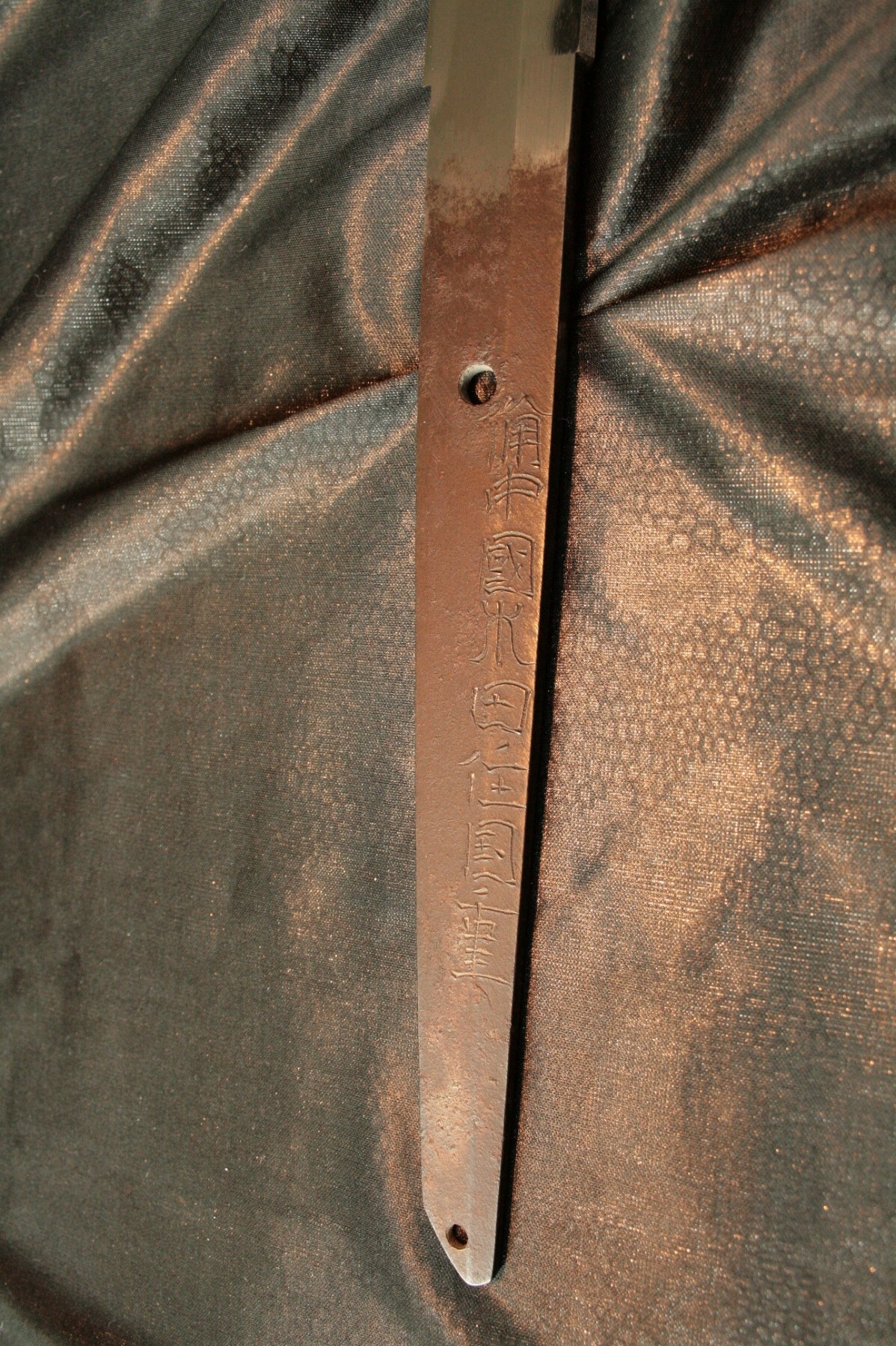
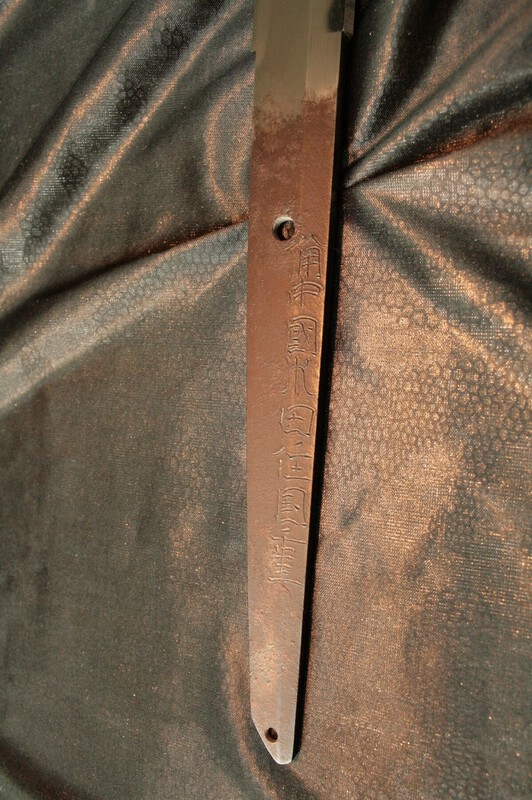
Gimei. This one is tokuho The great thing about Mizuta Kunishige swords is that the signatures look very similar regardless of the generation; however, it's relatively difficult to tell which generation a sword belongs to
-
It was a tachi before being suriage but NBTHK always name suriage mumei swords katana.