kleber75
-
Posts
26 -
Joined
-
Last visited
kleber75's Achievements






-
No. They do not ship to germany and they do not send a copy or a scan or photos
-
"Item does not ship to Germany" But Iwill try
-
If you did that, it would be a good idea. Also for all other collectors. If his brother wants to do that, it would be really nice of him.
-
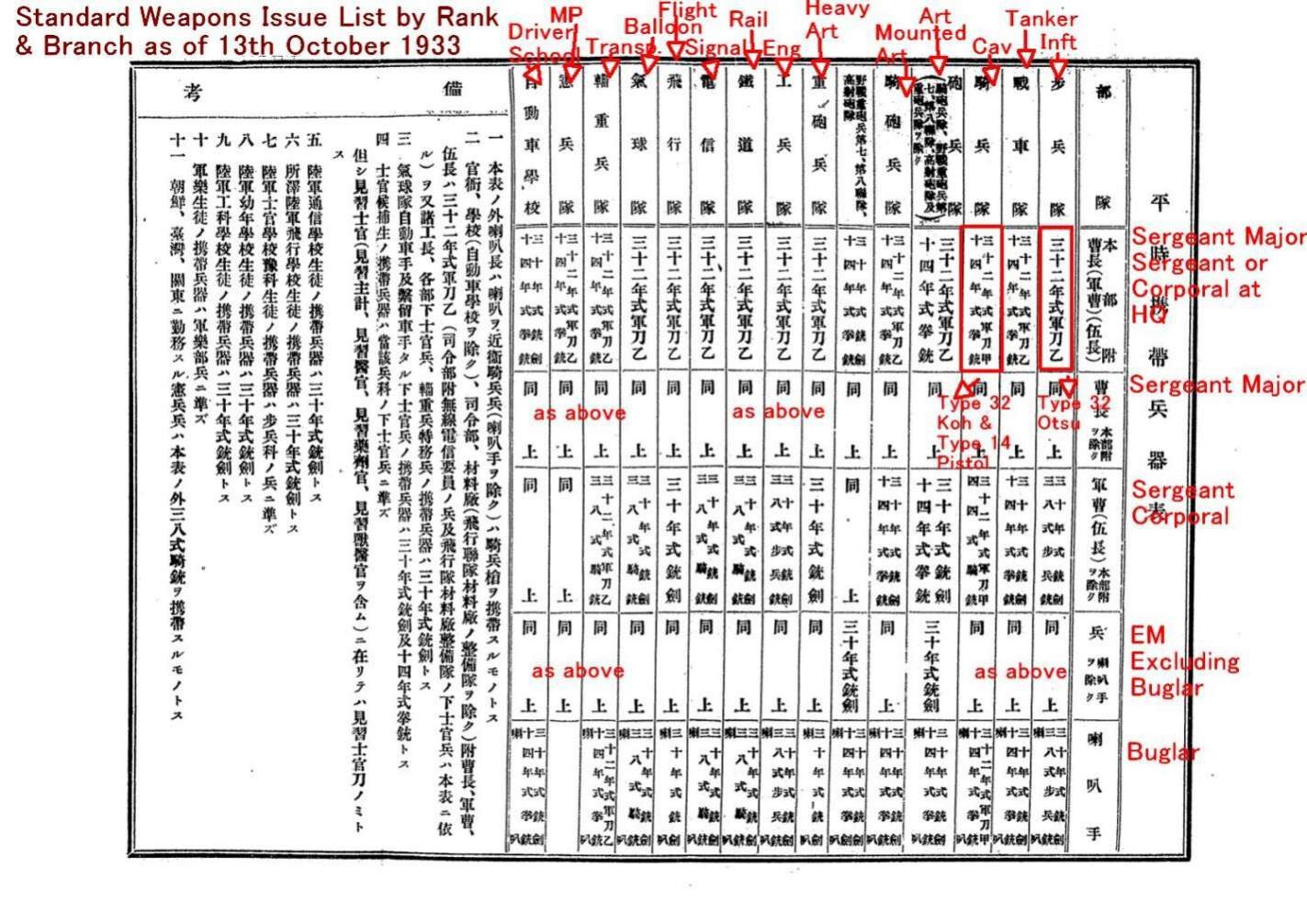
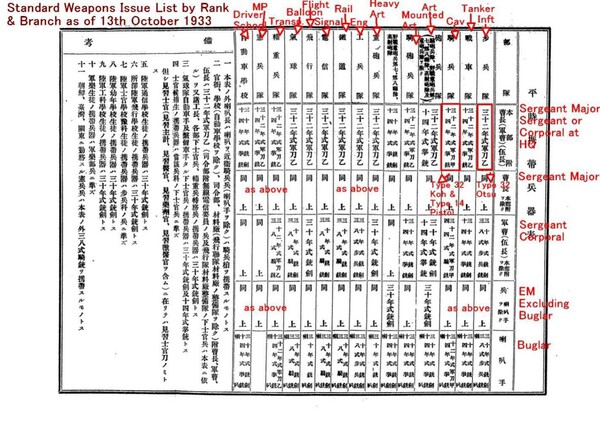
The document and the red notes are from Nick Komyia when he was still alive. He had a detailed report on the development of Japanese equipment, etc. But he only briefly mentioned the most important aspect. Namely, the way equipment and armament were carried. (For example, some units carried the bread bag on the opposite side, as did the field flask.) I am interested in the Taisho era; unfortunately, this document is the only one that is generally applicable to that time, but it says nothing, for example, about the use of backpacks (e.g., artillery only until 1924) and personnel of the light machine gun appeared in parades at the time without weapons, only with ammunition. Everything is very complicated...
-
Indeed – the Japanese army does not make it easy. On the right, for example, it says that in general all the 7th and 8th field artillery regiments and antiaircraft artillery units had to be armed differently. For whatever reason. So NCOs in these units carried a Type 30 bayonet and the Type 14 pistol instead of swords and pistols or just swords in other units. You would need a native speaker to translate the columns on the right, because it is printed so poorly that the technology fails.
-
Translation Assistance Good day, I have an official document here about the required armament of individual military units from the year 1933. I need help with the translation for the following units: Transport, Engineers, as well as the various artillery divisions. Thank you very much
-
Hello there was a discussion around my nihonto blade which was finally dated to the 16th century or perhaps older. In the end this blade was misused as an army sword during WW2 when the demand for swords was larger than factory output. New holes had been drilled for a handle and the civil saya was fitted with hangers (I suppose). The question: Is there a chance to find a fitting handle or were the handles for these substitute swords one of a kind?
-
translation help needed for this originally (?) made blade
kleber75 replied to kleber75's topic in Translation Assistance
from machi to the grip end around 21 cm -
translation help needed for this originally (?) made blade
kleber75 replied to kleber75's topic in Translation Assistance
This makes it difficult to find a suitable handle. I don't believe that such a blade fits a standard handle, as the distances between the holes often vary, and the blade handles also have different lengths and widths. -
translation help needed for this originally (?) made blade
kleber75 replied to kleber75's topic in Translation Assistance
it is around 75cm from the tip to the middle peg hole. If helpful I also post the saya with which it came to me. To my opinion it could be one of these blades delivered to the Army in WW2 when there had been shortages of blade production which forced the army to ask civilians to support the government with blade donations of old blades stored at home (exceptions were made for important family blades of cultural importance)


-
translation help needed for this originally (?) made blade
kleber75 replied to kleber75's topic in Translation Assistance
I see- the name is not helpful. Can we date it according to the shape? Or would it better to start a new topic? -
translation help needed for this originally (?) made blade
kleber75 replied to kleber75's topic in Translation Assistance


-
translation help needed for this originally (?) made blade
kleber75 replied to kleber75's topic in Translation Assistance


-
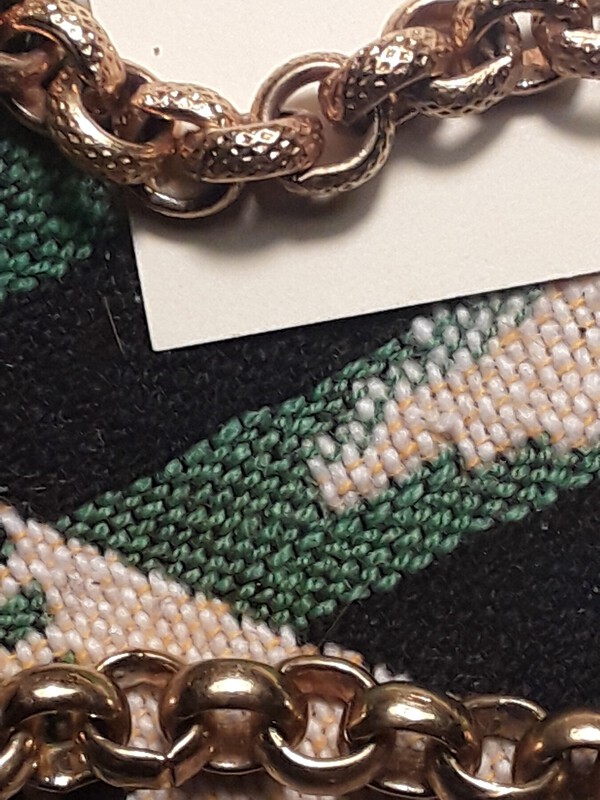
Type 19 sword with unknown decoration
kleber75 replied to kleber75's topic in Military Swords of Japan

-
translation help needed for this originally (?) made blade
kleber75 replied to kleber75's topic in Translation Assistance