Mark
-
Posts
2,251 -
Joined
-
Last visited
-
Days Won
2
Content Type
Profiles
Forums
Events
Store
Downloads
Gallery
Everything posted by Mark
-
New Tampa show
Mark replied to Stephen's topic in Sword Shows, Events, Community News and Legislation Issues
I enjoyed the show. I thought Bill and his staff worked very hard to try and make things go smoothly. I sold a number of items (maybe one was the treasure Barry found - if so good for him), some that were only a few hundred dollars each, so if you are looking for a "genuine" sword that is not too expensive a show is the place to see things hands on and find a bargain, much better than buying on eBay from pictures. I hope the Tampa show continues to thrive, we all need to support the shows help them improve. -
John he posted this with the picture "Giboji Fusetsu Ni Todomarazu..... akin to causing a cut that seems like people falling off a bridge with no handrails.....or something like that." I took it that was the translation, maybe I misunderstood
-
I have seen a few of these, usually have Showa era blades with signatures or Masamune, Rai smiths etc
-
Postage Help or advice please
Mark replied to Thekirsh's topic in Auctions and Online Sales or Sellers
I mail swords to the EU regularly and have not had any problems. I do not know of any restrictions for Priority (or Express) mailing of edged weapons -
how about this for a hint. Can you see the makers name in the row of large kanji? He is a Showa smith, there is plenty about him available, he was a Yasukuni smith who also used this mei
-
i think we recently discussed the signature on this sword. The shape of the kissaki give the impression of a poorly made blade or a poor repair. Maybe you could attend a sword show or meet with a club and have someone look at it in hand
-
Chris you are correct, good job. the 4th and 5th kanji are the makers name, the first kanji starts with "K" see if you can find a Mino smith with those 2 kanji, it is reasonably easy, the 4th kanji, when printed has 4 dots (or small dashes) at the bottom, when it is written those may not be easy to see
-
when it comes to militaria collectors buying gunto i agree with Mr Reid's comment, original is better than restored or repolished so if a sword that is, original, in good, complete, is best
-
PM sent
-
sad to see someone damaged the tsuba, it looks like nice soft metal, too bad the number 130 is scratched on it
-
Clive I had thought as you mention about uchiko enhancing a newly polished blade, but after talking with a couple of Japanese polishers their thought was that if the blade was properly polished then it is is its best condition when it leaves their hands and if uchiko is used to change that it is only diminishing the condition. I use uchiko on blades on old polish to help improve the condition if it has been scuffed or poorly handled.
-
Any experience w/ ebay seller 808jackiep in hawaii?
Mark replied to kaigunair's topic in Auctions and Online Sales or Sellers
i had about the same experience, had a seller say no return, etc. I just opened a case, within an hour i had a message from him and eBay, refund on the way. just make sure you document everything and communicate thru eBay message so they ca access it and see what has been said -
Any experience w/ ebay seller 808jackiep in hawaii?
Mark replied to kaigunair's topic in Auctions and Online Sales or Sellers
Did you pay with paypal? in my experience if you tell him it is not as described and want to return it, and he says no (should do it through eBay messages not direct email) you just open an ebay case and they will credit you, you need to return it with tracking. seems ebay usually sides with the buyer -
Daniel I live near Toledo Ohio. I lived in Euclid when I was in elementary school. I get down Cleveland way occasionally. Let me know if you want to get together
-
I have the 4 pictures per page book, it is marked as Showa 49 so 1974.
-
can you add a close up of the nakago?
-
the bore seems a bit bigger than 50cal ( i think as it is over 1/2"). When i lift the arm i hear it "click" but it does not lock back so maybe the trigger or mechanism needs repair I understand i can sell it legally in the States and mail it but i worry about packaging etc. Anyway i figure i will look for $1500
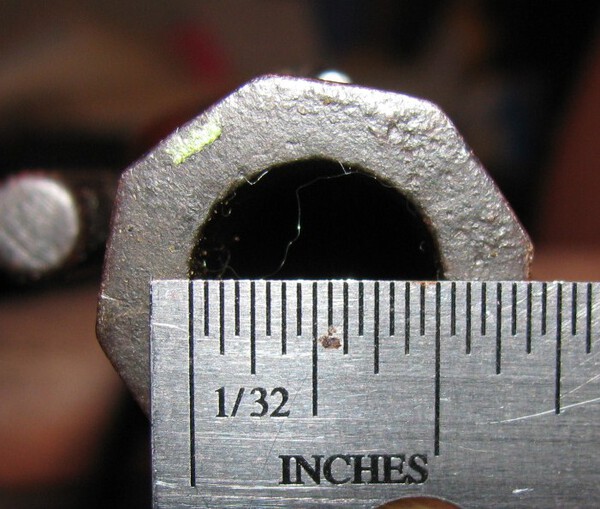
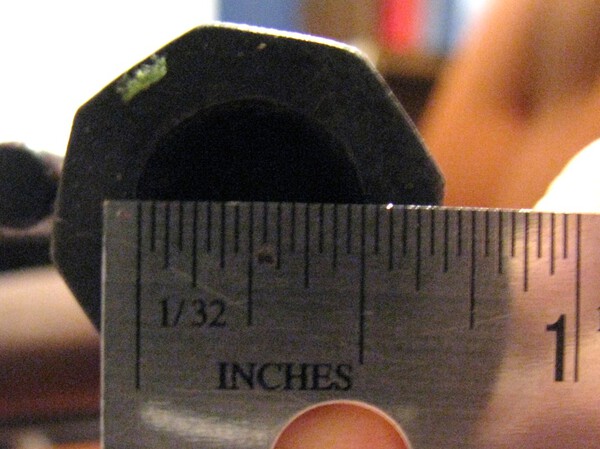
-
Ron Thanks for the info. I am not into matchlocks. It is not signed If i still have it i will bring it to Tampa, i sold one there last year. I would list it in the "for sale" section but prefer to sell it face to face as i worry about shipping and it being a firearm
-
Ron here are some pictures



-
Thanks! one person suggested it meant Dragon, another said Bravery. It is difficult.
-
Original prices of gendai-to (and shinshin-to)
Mark replied to Bruno's topic in Military Swords of Japan
seems I read somewhere that an officer's sword could cost a junior officer 2-3 months pay. I am not sure the exchange rate at the time but if the above is correct we can figure the cost based on average military officers pay now and see what 2-3 months income is -
clue, first picture left side is the date, on the right do you see Saku? if so the 2 kanji before are a name
-
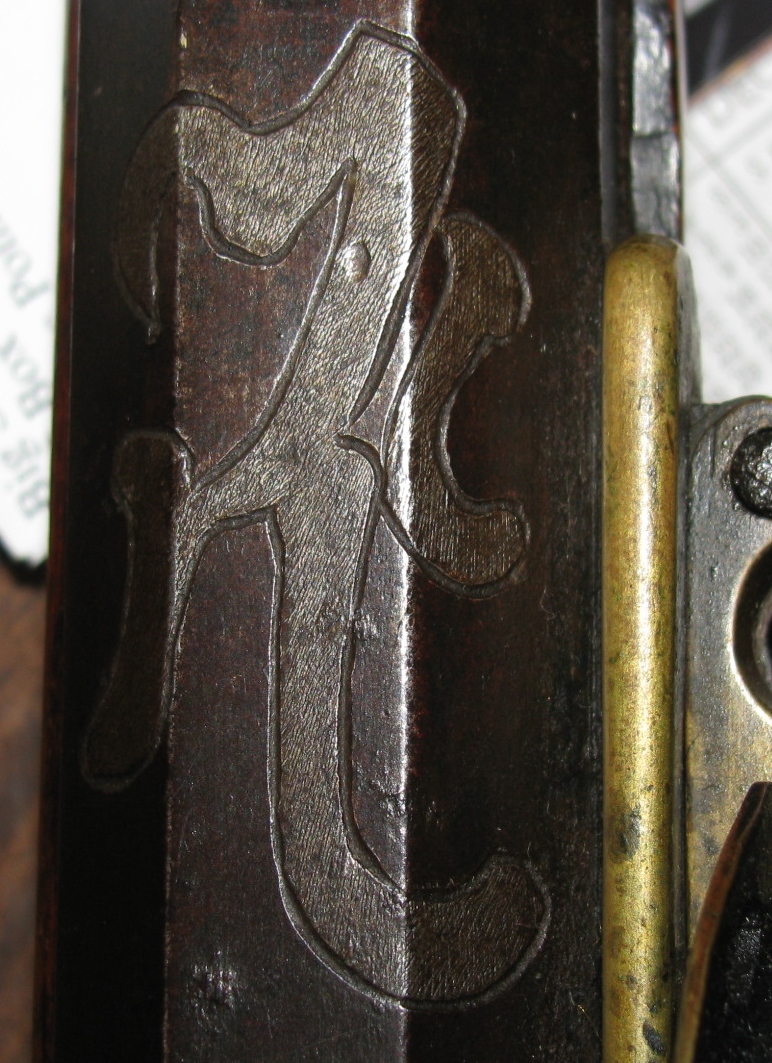
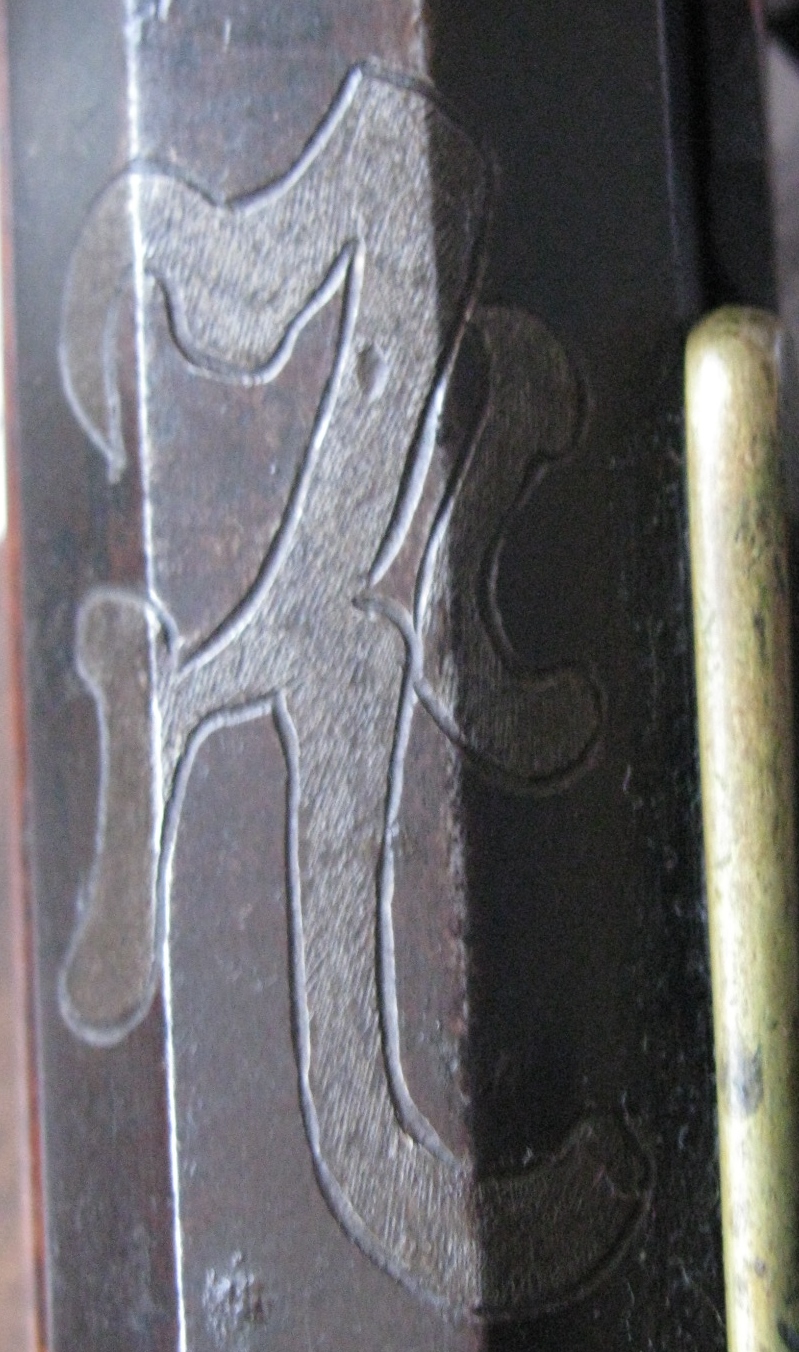
I have a matchlock. the barrel is not signed but there is a kanji, sanscript , or mon on the top of the barrel. I can not read it, can anyone help? maybe it is a name or something. The barrel has a butterfly, dragonfly and cherry blossoms inlayed. Thanks
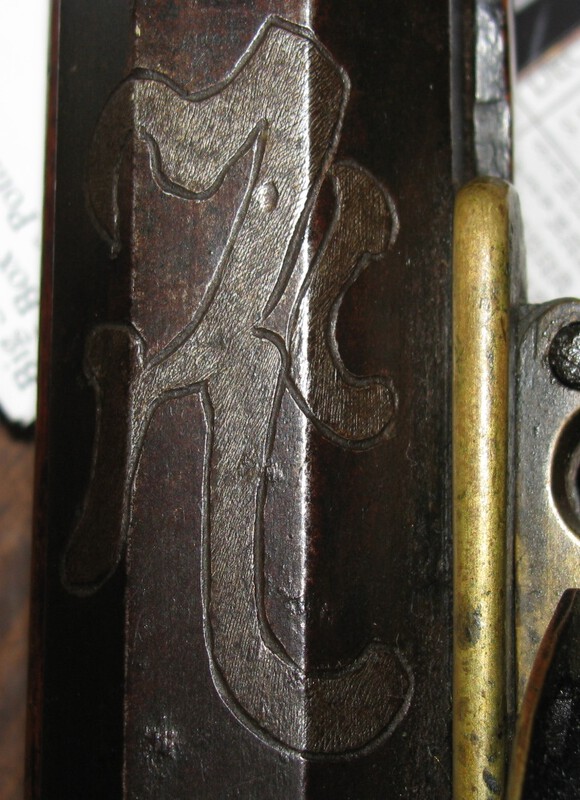
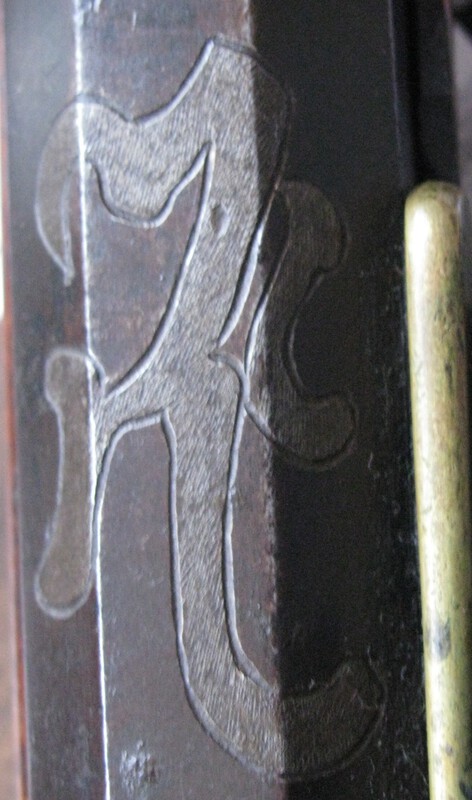
-
i maybe wrong but i do not think it is Chinese. The blade looks correct, the numbers and groove and the shape look genuine. The tsuba seppa and fuchi look real. It looks to me like someone cleaned and buffed the blade, habaki, fuchi, tsuba and seppa. The Chinese blades usually do not have the numbers stamped like your example and the groove usually end further from the tip on the Chinese copy
-
there are a lot of smiths named Nagamitsu. it is signed katana mei.