John C
-
Posts
3,297 -
Joined
-
Last visited
-
Days Won
19
Content Type
Profiles
Forums
Events
Store
Downloads
Gallery
Everything posted by John C
-
In addition, I would lean toward a sword with some sort of guard based on the taper/slant of the "fuchi." John C.
-
J. p.s. - the date is Showa 19 (1944). John C.
-
@Bruce Pennington two dots on the nakago jiri John C.
-
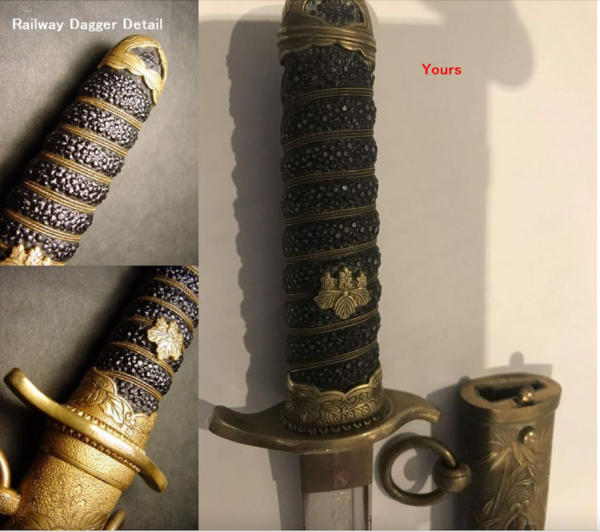
Looking at the tang recess, it doesn't seem to have the shape of a Japanese nakago (neither tapered nor screwed end). John C.
-
Could be. Here is a picture of another one (disregard the "yours" label). John C.
-
Ditto. John C.
-
Roger: I don't think that is generally true. The issue is how the Japanese sword is sharpened. It achieves its edge from the polishing of the two sides and not from sharpening the cutting edge itself (as in Western style). So being out of polish along with going in and out of a scabbard for 80 years is probably what makes them dull. That said, some parade swords and others were issued without an edge. In addition, swords issued early on came with sharpening stones, which ended up tearing the edges so were not used for long. This is my understanding, however others may argue differently. John C.
-
Bruce: Other than the double hanger and thicker tsuba, what else differentiates a 94 from a 98? Ohmura-san lumps them together and I have wondered. John C.
-
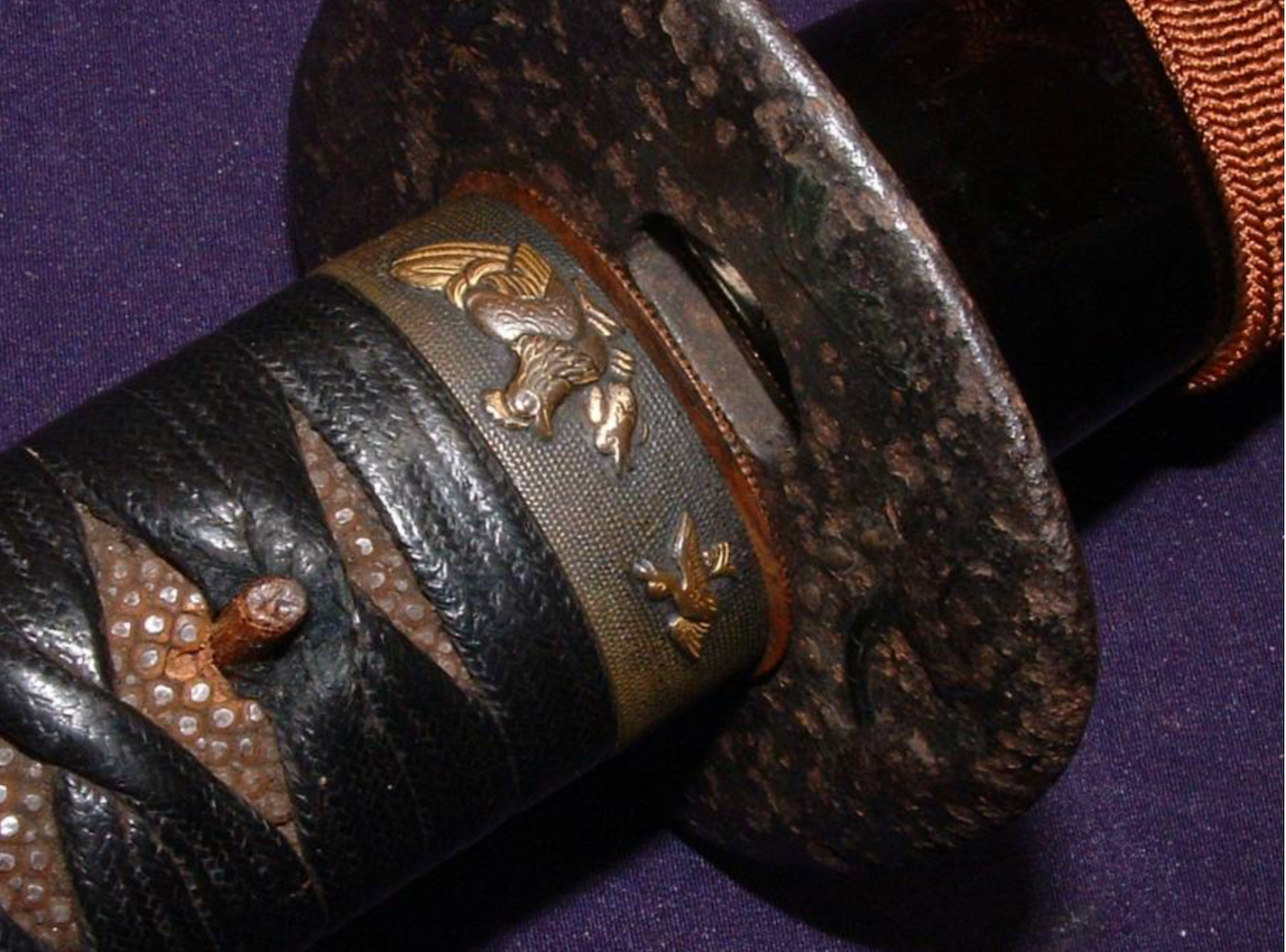
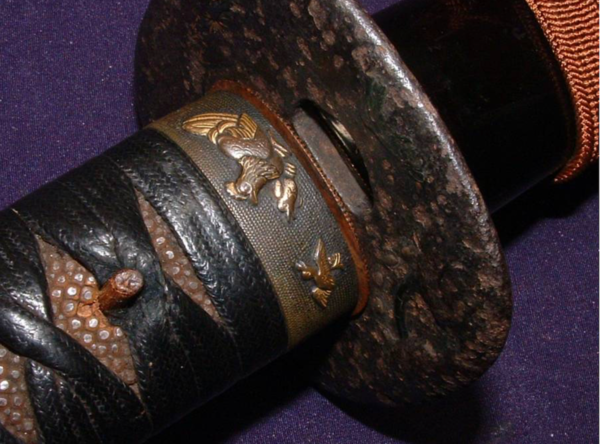
Rooster on a fuchi. John C.
-
I'll let the translators give you the smith name, however to get you started: 1. The writing on the left side of the first picture is the date - Showa 18 (1943) 2. the stamp in the second picture is the small Seki stamp. John C.
-
I assume these go through a press of some sort as a strip. If the strip were "folded" the wrong direction, I could see this happening. But I wouldn't think it would pass quality control. John C.
-
I think you mean 87.47, but the point is the same...unless they start the kana over as well??? John C.
-
Evan: Not much left to say beyond Bruce's Mysterious Naval Landing Sword article and this thread. About 8,747 were ordered by the 8th Army PX and sold mainly at the Tokyo px from 1946 to 1952. Notice the use of both army style parts and navy blade. The orange cord attached to the sword (which is almost always missing) actually went on the bag and not the sword. Is there anything specific you would like to know? John C.
-
Those numbers are commonly referred to as assembly numbers, however their exact usage isn't clear. Since each sword is individually made, they were probably used to keep individual parts organized. John C.
-
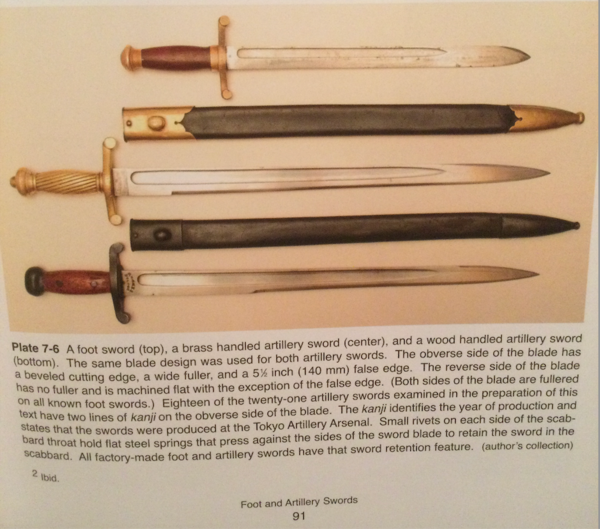
Chris: Just for reference - from Dawson (pg. 91-92) John C.

-
eBay Kyu Gunto with Sakura Chuso Release
John C replied to Conway's topic in Auctions and Online Sales or Sellers
The nakago is interesting. Looks like it has been reshaped. Notice how the bohi look compressed from the reshaping. John C. -
He might be talking about thermal cycling. After quenching, the blade is too hard. It is then re-heated and allowed to cool slowly to bring back some of the flexibility. This is usually done in an oven or furnace but perhaps he used oil instead. John C.
-
@Bruce Pennington Not sure if you have this, so here is a rough translation of that page. John C. Mantetsu manufacturing.docx
-
It also has a torokusho, which I thought could only be issued to traditionally made blades? John C.
-
Part of it could be secrecy. These were war plants and it's possible pictures were not allowed. There may be tons of pictures in Japanese war museums that are not available on line. But I agree that it would be nice to see the production from start to finish. John C.
-
Tim: If you click on the gallery tab you'll see some in there. Polishing, quenching, etc. John C.
-
Ouch. They estimate 300 to 700? in that condition for that blade, 100 to 300 is more reasonable. John C.
-
You could be right. What I see is a blade held in a vise so someone could beat the stuck tsuka off, hence the movement of the lines. Maybe post it in the translation section and have those guys take a look? John C.
-
It's probable that every soldier, in every army, in every war carried some type of knife. Wether a bayonet, trench knife, fighting knife, or a swiss army knife, they are just part of the kit. Unlike most ebay references, however, I do not think the knives were carried by Japanese soldiers for the purpose of suicide. Unless every pistol was also a suicide pistol? John C.
-
Peter: I agree with Bruce. Looks like marks left from a pair of pliers or a vice. John C.