John C
-
Posts
3,134 -
Joined
-
Last visited
-
Days Won
19
Content Type
Profiles
Forums
Events
Store
Downloads
Gallery
Everything posted by John C
-
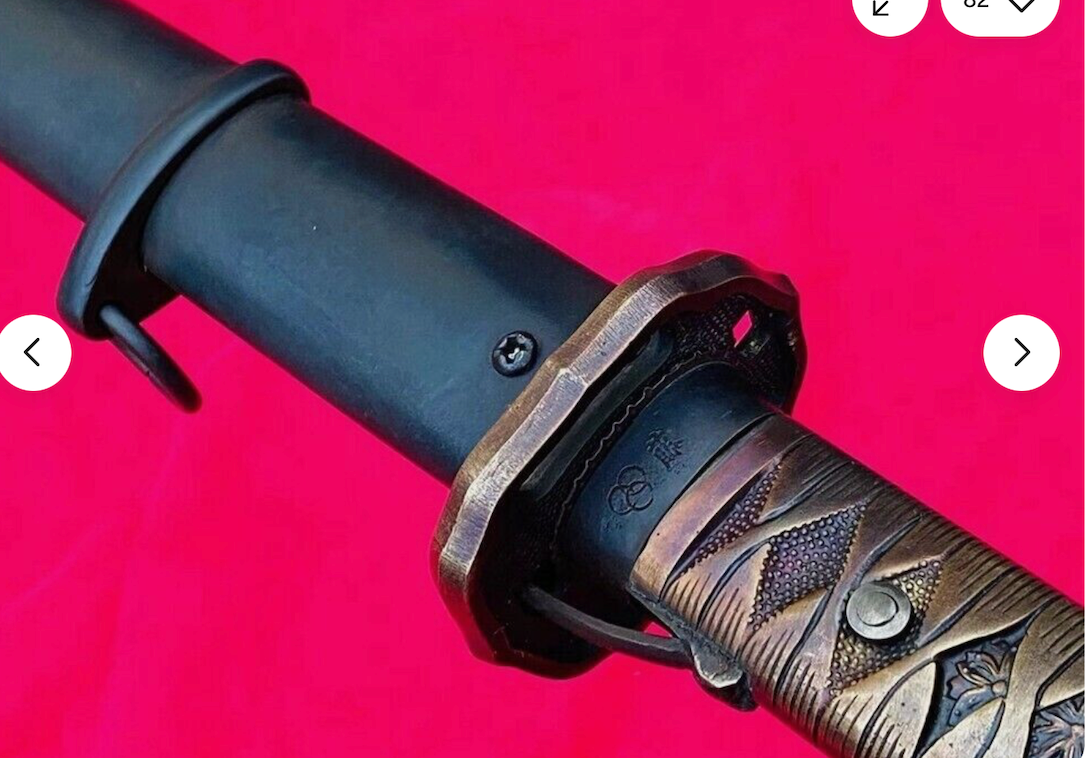
Another fake being sold as legit for 1300. Note the fake marks are similar to the one posted above on Nov 21st. https://www.ebay.com/itm/157427026200? John C.

-
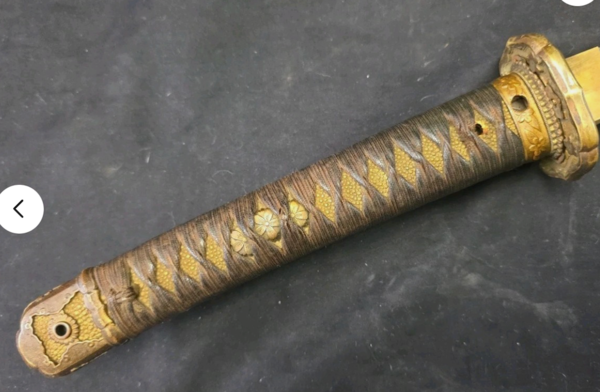
@Bruce Pennington Bruce: Here is a sword with both tsuka and saya painted gold. The gold on the tsuka looks original to me (under the ito wrap). https://www.ebay.com/itm/167957209725? John C. p.s. same sword posted in translation section.
-
Stefano: The second two lines from Charlie's translation is the red seal. John C.
-
Takehisa, I believe. John C.
-
Accessories for the Tanegashima
John C replied to Bugyotsuji's topic in Tanegashima / Teppo / Hinawajū
Firstly, unbelievably interesting thread. I love the details about items I might come across. Secondly, would the shot be used like we use shot today (bird shot vs. ball round for larger game)? John C. p.s. I would pay an entrance fee to see your collection in a museum somewhere. -
So these variations were made concurrently? If made at different locations, how did the numbering work? Were there "blocks" of serial numbers given to each location to avoid repeat numbers? John C.
-
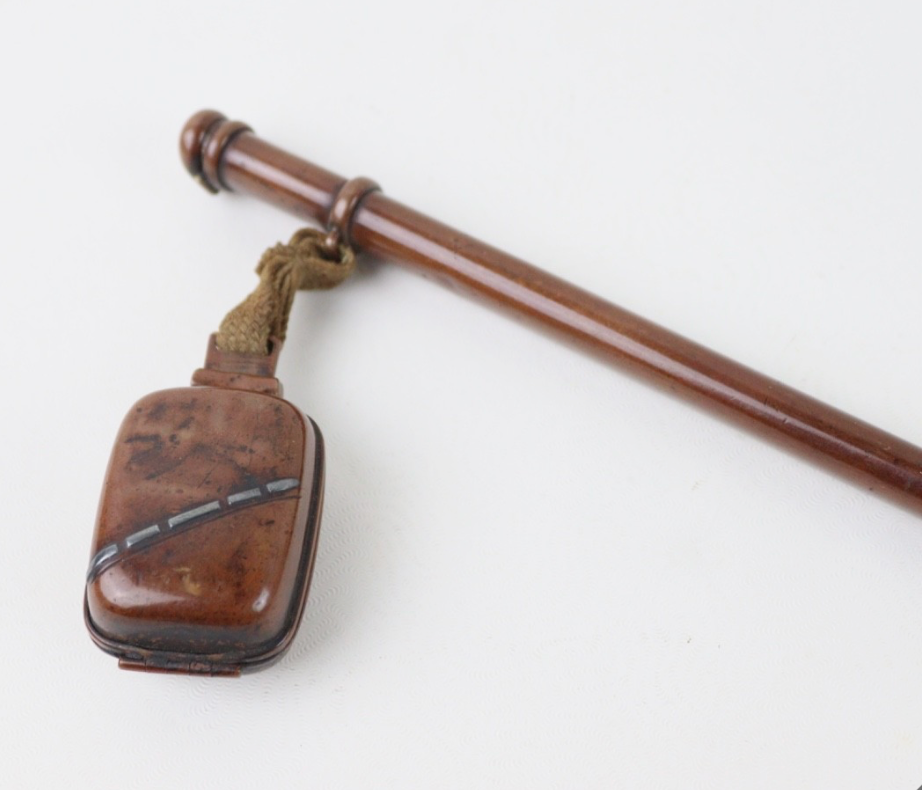
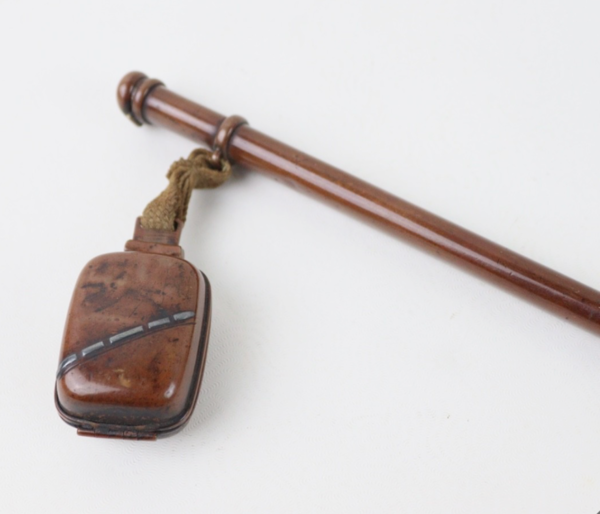
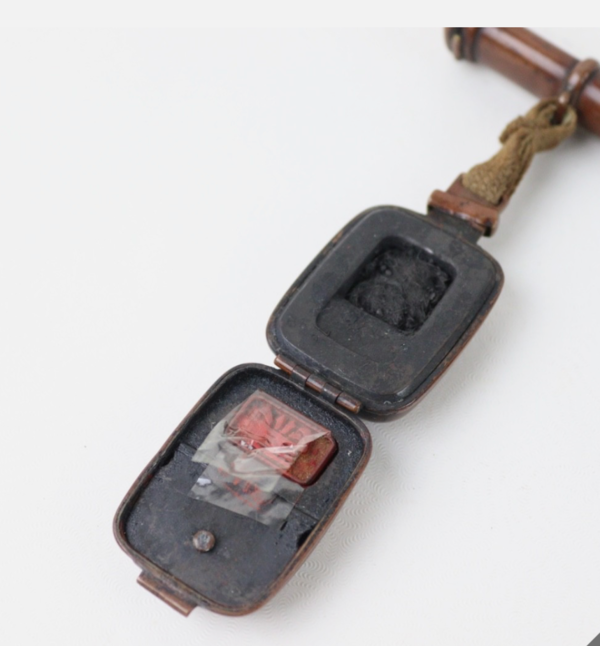
For those who have an interest in yatate, I just picked up this somewhat different one. I say different because the unusual/quality pieces are harder to find in the US. Anyway, this one is an inro type with the familiar angled silver dashed line as a decoration. But inside it has a small hanko that reads ba/ma or "horse." Unsure if it is a nickname or part of a surname or a profession, however it probably dates from the very late Edo to Meiji periods. My guess would be a mitome-in seal. The vermillion ink is under the lid next to the seal. John C.

-
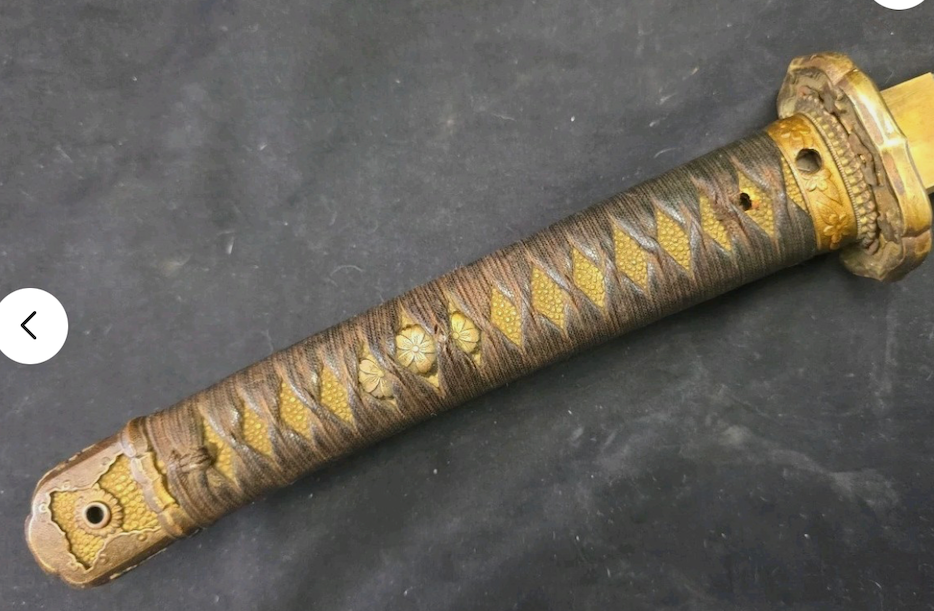
Jeffrey: Some additional information about the sword. It is missing the wrap (ito) on the handle (tsuka) and the flower shaped ornamental elements on the handle that assist with grip (menuki), however it's still a nice rig. And to explain a little about fake signatures, it is VERY common and should not detract from it being a piece of WW2 history. It is entirely possible that someone took his family blade (or a donated blade) and put military fittings on it. I wouldn't sell it until you settle into some research and get more details. John C. p.s. The handle wrap and menuki can be replaced in order to make it present well, if that's what you choose to do.
-
No problem. I try to shoot some this week. p.s. the saya does have matching serial number. John C.
-
Sam: Not sure if this is what you are looking for, however my 95 might be a pattern 2 with mirrored ito???? John C.

-
Thank you both very much! John C.
-
Jean: I called them rays for a lack of a better term in English. The Japanese name I was thinking of was shinodare, which I suppose could be representative of swords or arrows. John C.
-
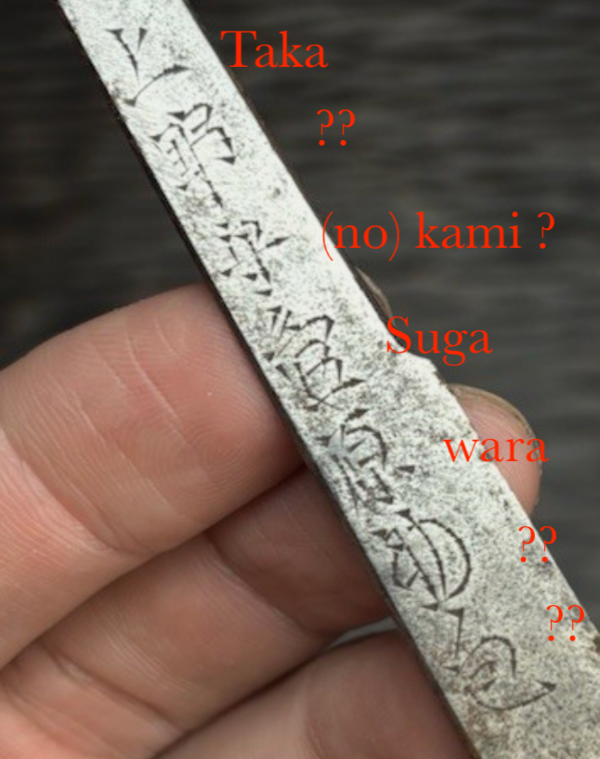
I gave it a shot, however I'm usually wrong. Any help is appreciated. John C. p.s. Not my hand!
-
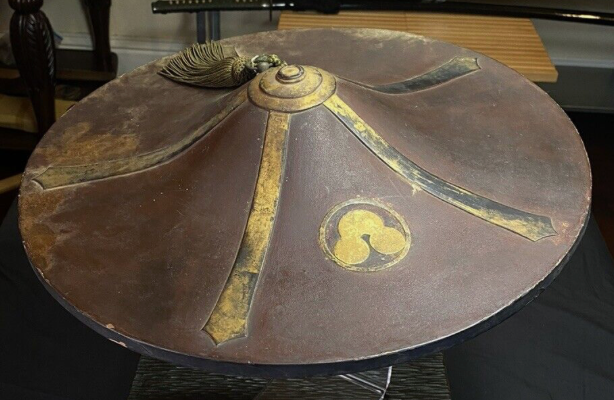
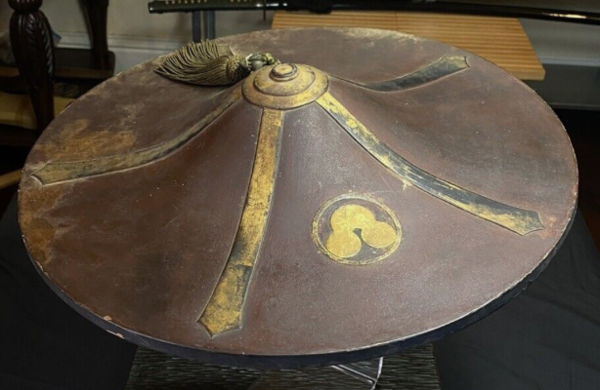
I have a similar flat jingasa with the 5 rays (forgot the name) and tassel. Never looked up the mon, however I believe it's common. John C.
-
Piers: Nice display In re: your jingasa, I read somewhere the light, flat wide-brimmed jingasa were used by tamegashima ashigaru because it kept the rain off of the match cord. Any truth to that or was it just a light and convenient sun shade for marching? John C.
-
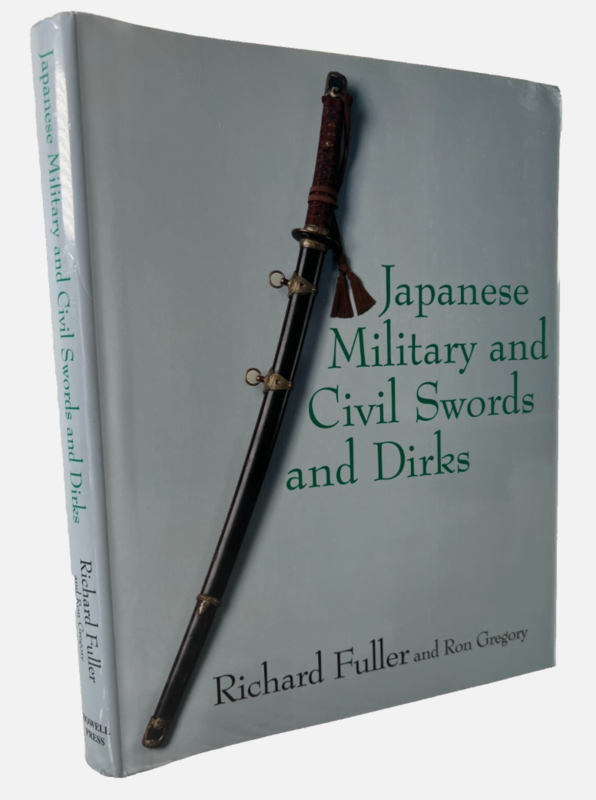
If anyone is looking for one. 190 dollars. https://www.ebay.com/itm/236138585440? John C.
-
- 2
-

-

-
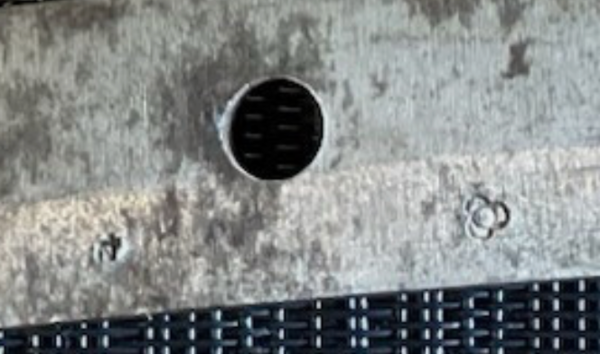
@Bruce Pennington Do you need a photo of Murata-to stamps (se and Kokura cannonball)? https://www.ebay.com/itm/205830768967? John C.
-
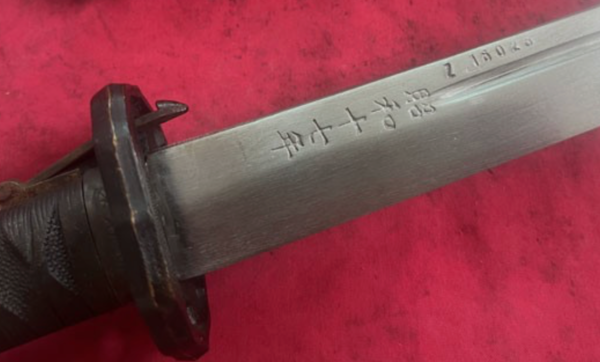
Another repro from Longquan China. In this case, they used multiple versions of fake numbers and writing. 154 dollars. https://www.ebay.com/itm/267486630604? John C.
-
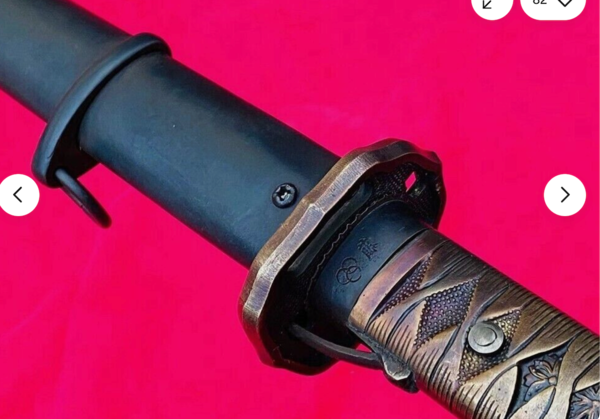
From the same factory I posted above. This auction is straight from China 159 bucks. https://www.ebay.com/itm/305278626077? John C.
-
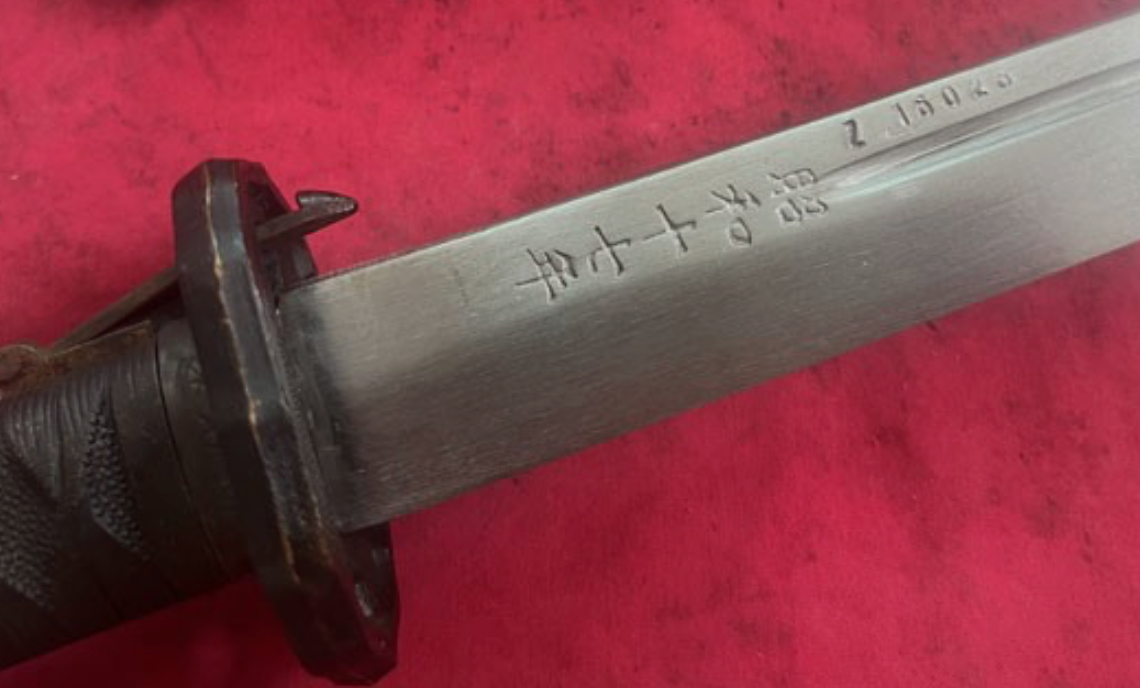
Looks like the date is Bunkyu 1 (Feb 1861). You'll have to wait for a mei translation. John C.
-
Type 98 Koshirae w/ Small Size "Shige" Mei on Nakago
John C replied to Klink's topic in Military Swords of Japan
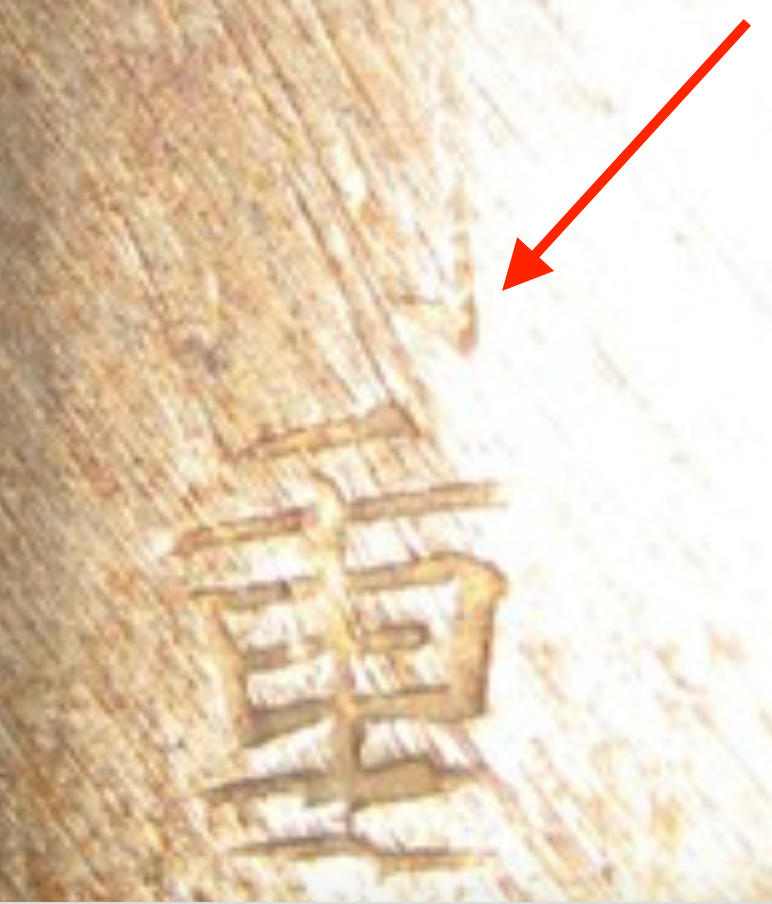
Hey Bruce: Is that stroke there part of the Shige or the bottom of a different character? John C.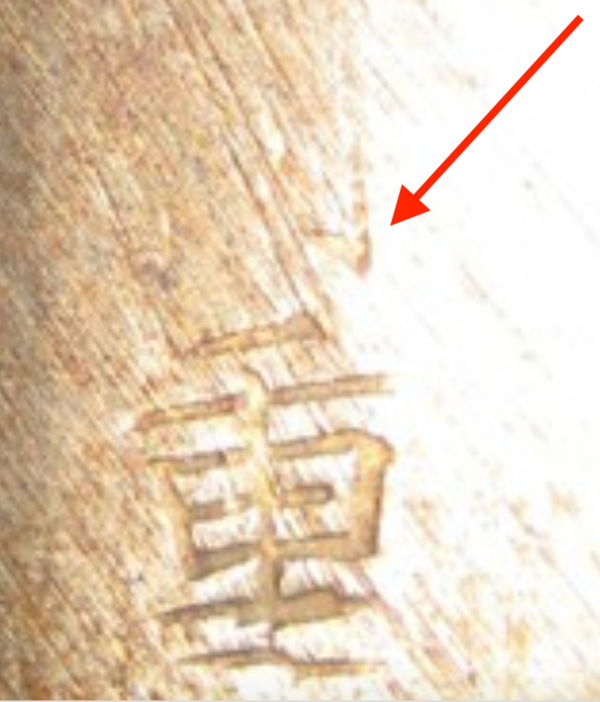
-
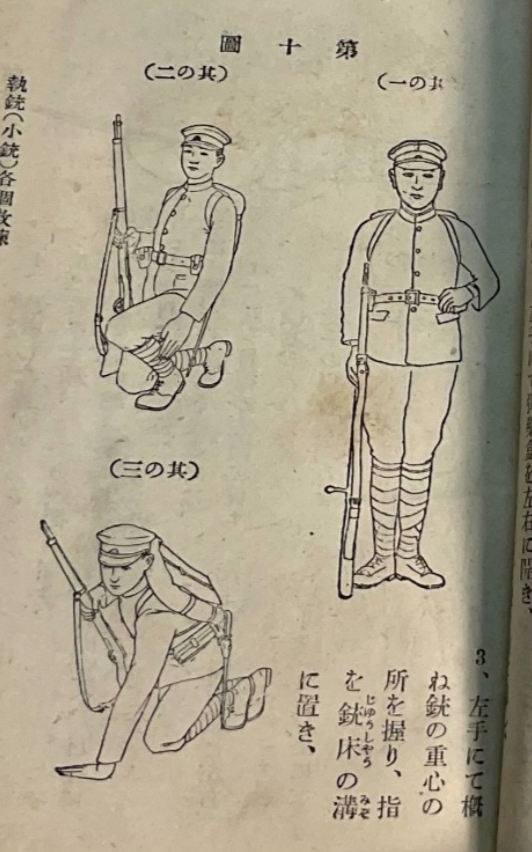
Jens: Guten Tag. Here is an auction for a Japanese field manual. This may answer questions about how equipment was supposed to be carried. Of course, everyone who has been in the military knows you carry things they way it works best for you once you leave the parade grounds. https://www.ebay.com/itm/116890492694? John C.


-
Yet another fake being sold as real. 800 USD. 9 people are watching this! https://www.ebay.com/itm/157480984955? John C.

-
Update: 2 days left and up to 306 dollars. Can't wait until someone eventually posts it here. John C.
-
Chris: Just as an aside, the term nyudo is used on swords to describe a monk or one who has joined the priesthood. John C.