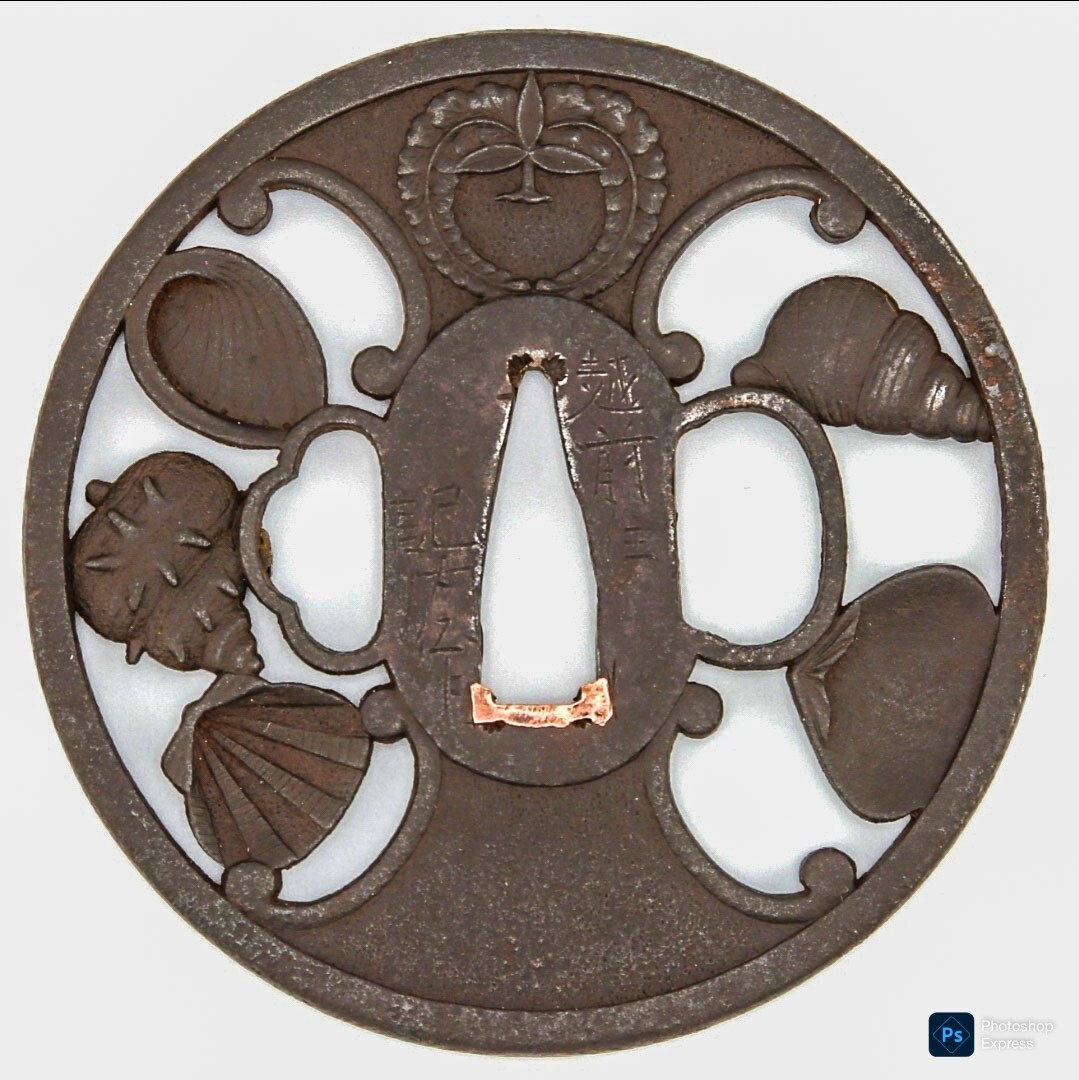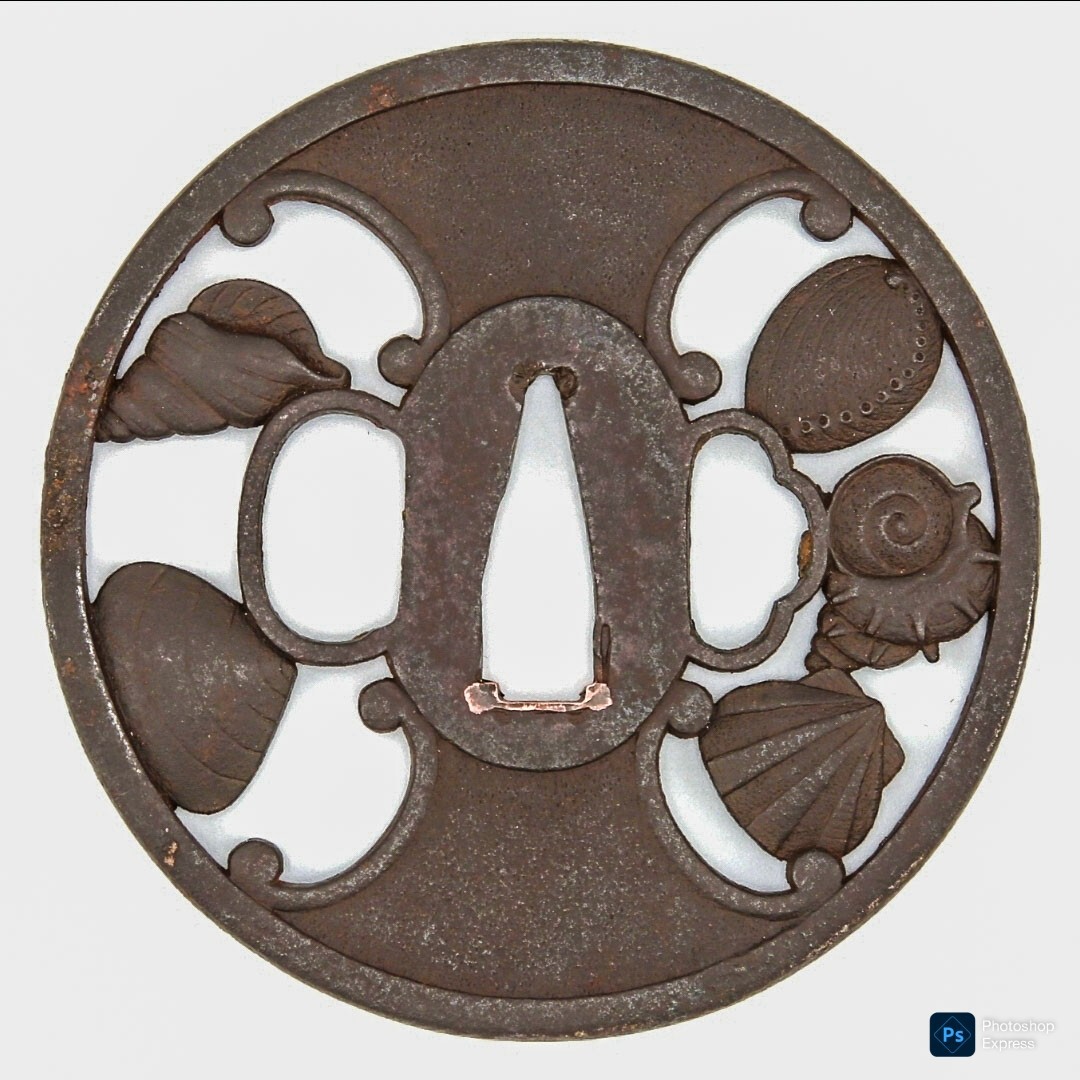
Deez77
-
Posts
184 -
Joined
-
Last visited


Deez77's Achievements






-
Yes, indeed! Thank you so much for linking to that post, Dale. 🙏🙏 I'd say the Tale of Genji connection is confirmed, then. Some really wonderful rendentions in the earlier post, but I'm quite pleased with mine. Damon
-
Hi all, I have a tsuba with a nice "courtly" motif, but then I came across a piece on Choshuya described as relating to the 9th chapter of The Tale of Genji (entitled Aoi). I'm thinking mine might actually represent the same. What do you think? Choshuya (https://www.choshuya.co.jp/senrigan/源氏物語葵巻図鍔(鐔) 銘 武州住正利/鍔/正利) My tsuba: Damon


-

"Tsuba: The R. E. Haynes Study Collection" Auction
Deez77 replied to Promo's topic in Auctions and Online Sales or Sellers
Just an update. My tsuba (X2) finally arrived. Very happy with them. Fyi - a copy of the catalog was also provided. Mixed feelings about whether I would order from an Italian auction house again, though, given their export requirements. -
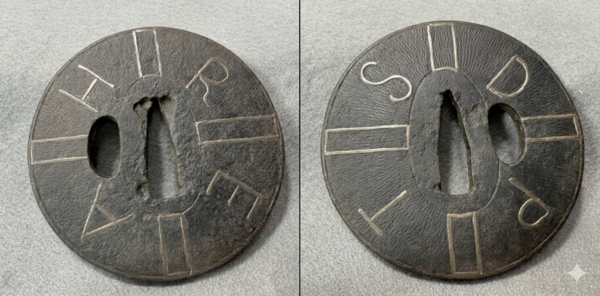
I recently acquired this piece as part of a lot, and believe it may have some Christian meaning, both in the cross-like shapes as well as the lettering (not exactly sure how). This thread's topic seems appropriate, and I'm hoping to receive some thoughts or input. Damon
-
Excerpts from a Gen AI research response (not verified or validated): "The mountain 双子山 (Futagoyama / Sōzan) is a real, named twin-peak feature on the slopes of Mt. Fuji itself, in Suruga province, on the Gotenba route at about 1,800–1,929 m elevation. It consists of two peaks (上塚 Kamizuka / Upper Mound at 1,929 m, and 下塚 Shimozuka / Lower Mound). It is also called 二ツ塚 (Futatsuzuka). This is exactly what 駿高双山 ("Suruga's High Twin Mountain") refers to — the twin peaks high on Mt. Fuji's eastern flank in Suruga province. The signature is saying: "Residing at the foot of the High Futagoyama in Suruga" — meaning the artist lived in the Gotenba / Subashiri region at the eastern foot of Mt. Fuji. This is a wonderfully specific and poetic location claim. The Gotenba / Subashiri area was in Suruga province and was part of the Odawara domain's territory at various points, and the foot of Mt. Fuji had a culture of mountain ascetics, literati, and craftsmen drawn by the sacred geography. The signature 駿高双山麓寓 — "residing at the foot of the high Futagoyama in Suruga" — points to the Gotenba / Subashiri area at the eastern foot of Mt. Fuji, on the Suruga side. The character 寓 (gū, "temporary lodging") implies the artist considered himself a sojourner there rather than a hereditary native — perhaps a ronin, retired samurai, or literati-craftsman who relocated to this scenic, semi-rural area. Name: 岩佐正 + kaō. With the kaō immediately following, the given name is a single character 正. The most likely readings are Iwasa Tadashi or Iwasa Masa(shi). Single-character art names with kaō were a common late-Edo / Bakumatsu literati affectation, modeled on Chinese-style scholar-artist signatures. The honest reality: This artist does not appear in the major standard references (Haynes, Wakayama, Sesko's Genealogies). The NBTHK Tokubetsu Hozon paper attests that this is a genuine and important work, but the artist is what specialists call a "rare master" or unrecorded smith — a skilled independent craftsman whose oeuvre is too small or too localized to have entered the major published indexes. The high quality of the work (Tokubetsu Hozon for an unrecorded maker is uncommon) suggests he was a serious artist, possibly: A samurai-amateur from the Odawara, Numazu, or another local domain, working in metal as a refined avocation A late student of one of the Nara-school descendants (Hamano, Yokoya, Yanagawa lineages) who left Edo to retire to the Mt. Fuji foothills A Bakumatsu literati craftsman who consciously cultivated obscurity as part of a wabi/recluse aesthetic — the elaborate poetic residence inscription is consistent with this" I'm not sure if this helps, or how accurate it is, but it sounds plausible and may provide some direction for additional research. Damon
-
"Tsuba: The R. E. Haynes Study Collection" Auction
Deez77 replied to Promo's topic in Auctions and Online Sales or Sellers
I'm currently residing in Middle East. No problem shipping here, but that export permit process was terribly slow. -
"Tsuba: The R. E. Haynes Study Collection" Auction
Deez77 replied to Promo's topic in Auctions and Online Sales or Sellers
Status update, my pieces have just been shipped. -
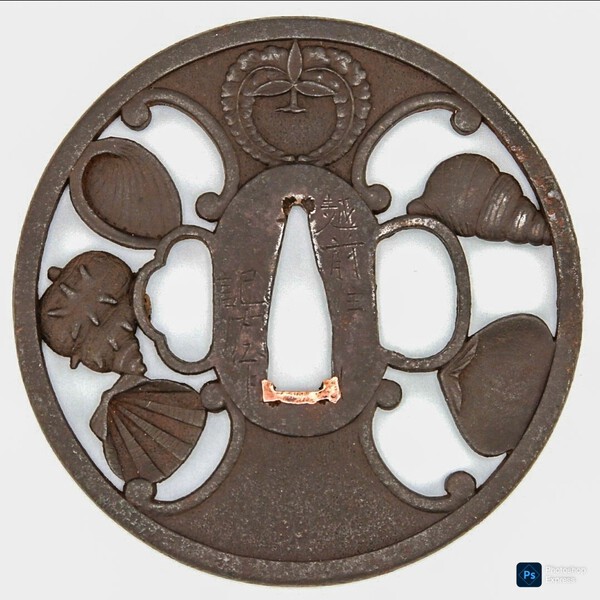
What a great story. Thanks for sharing. Folks here can certainly provide a lot of information if you can provide clear enough photos (front and back of each piece). They don't have to be huge in size, but clear enough to see the details and any signatures. This one here is somewhat similar to one hanging on the yellow board. I'm 99% sure that one has a signature. Another dragon one I saw is a typical cast piece, probably with the same maker's name. Regards Damon

-
"Tsuba: The R. E. Haynes Study Collection" Auction
Deez77 replied to Promo's topic in Auctions and Online Sales or Sellers
On April 20, after sending an inquiry, I got the following reply: "We are waiting for export permits from the Ministry of Culture, which is a necessary document for approval by customs to export your item. The approval requires from 4 to 6 weeks. Once obtained, we will be ready to ship the item and will send you a message with the tracking number. Thank you for waiting, regards" The waiting continues. 🤷 Damon -
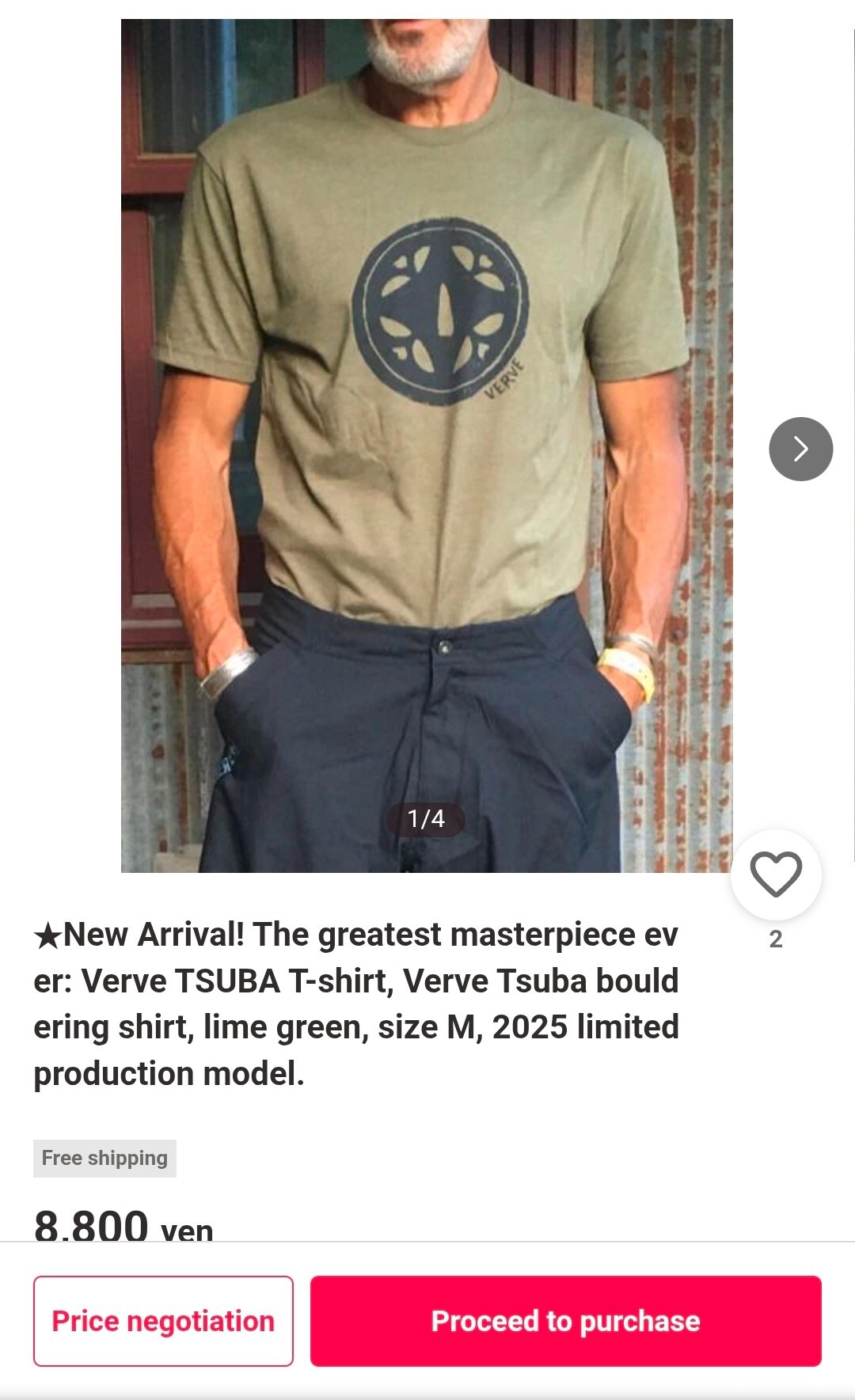
For your spring/summer collection: https://paypayfleamarket.yahoo.co.jp/item/z562035124 Damon

-
Thank you for sharing, Justin. Did you take any wide angle pictures of the display room at all? If so, could you please post one or two pictures? I'm quite interested in seeing how they set up the tsuba display area. Did I miss the bee themed piece, or maybe you're referring to the cicada (insect on the tree)?
-
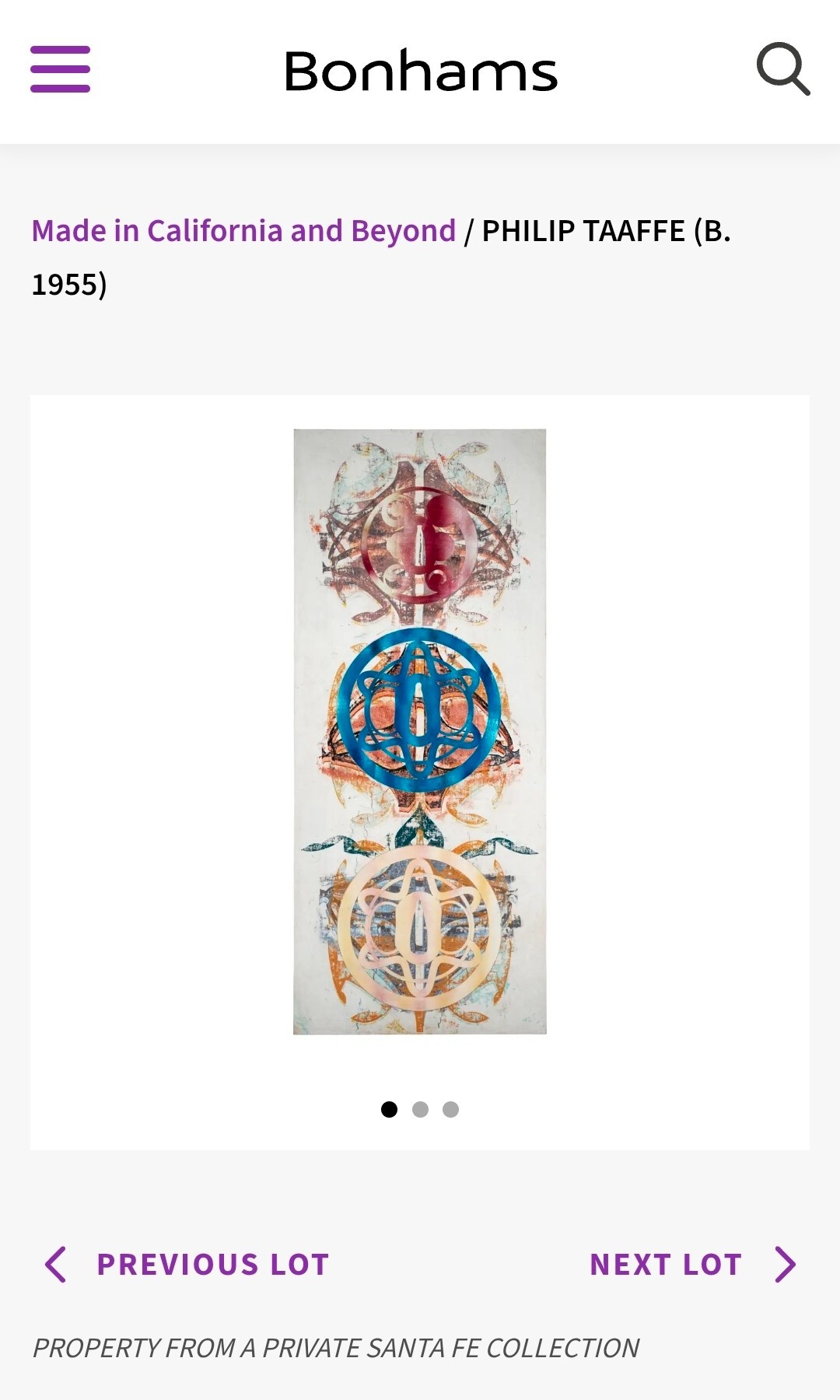
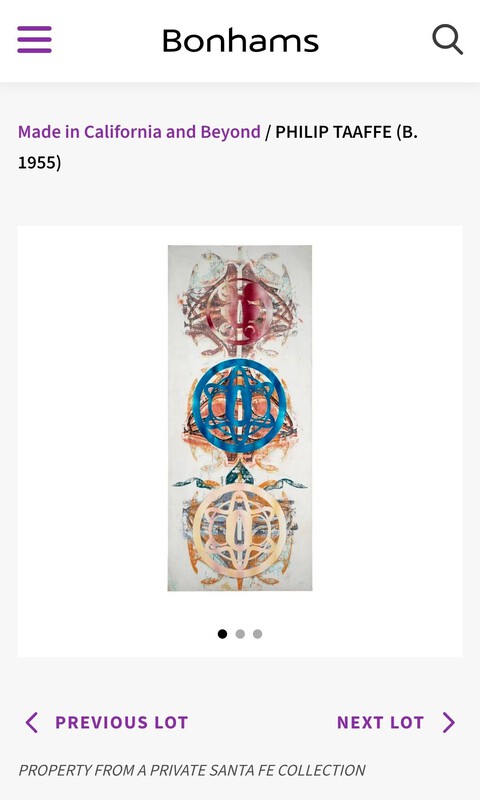
Anyone have an extra 12k-15k to drop on a tsuba art print? 😆 https://www.bonhams.com/auction/31839/lot/2/philip-taaffe-b-1955-tsuba-figure-1995-96/
-
Maybe it's just me, but one particular tsuba of mine always gives me a bit of a laugh. It's this little shrimp/prawn and the way it's little mouth is rendered just is quite humorous to me. What do you think...does it qualify for the laugh if the day? Damon

-
Ohh, so I'm not too weird and am in good company!! 🤪 Btw, was Sasano-sensei's routine published somewhere or was he quite vocal about that? I'm just curious how one would find that information out.