Scogg
-
Posts
2,148 -
Joined
-
Last visited
-
Days Won
24
Content Type
Profiles
Forums
Events
Store
Downloads
Gallery
Everything posted by Scogg
-
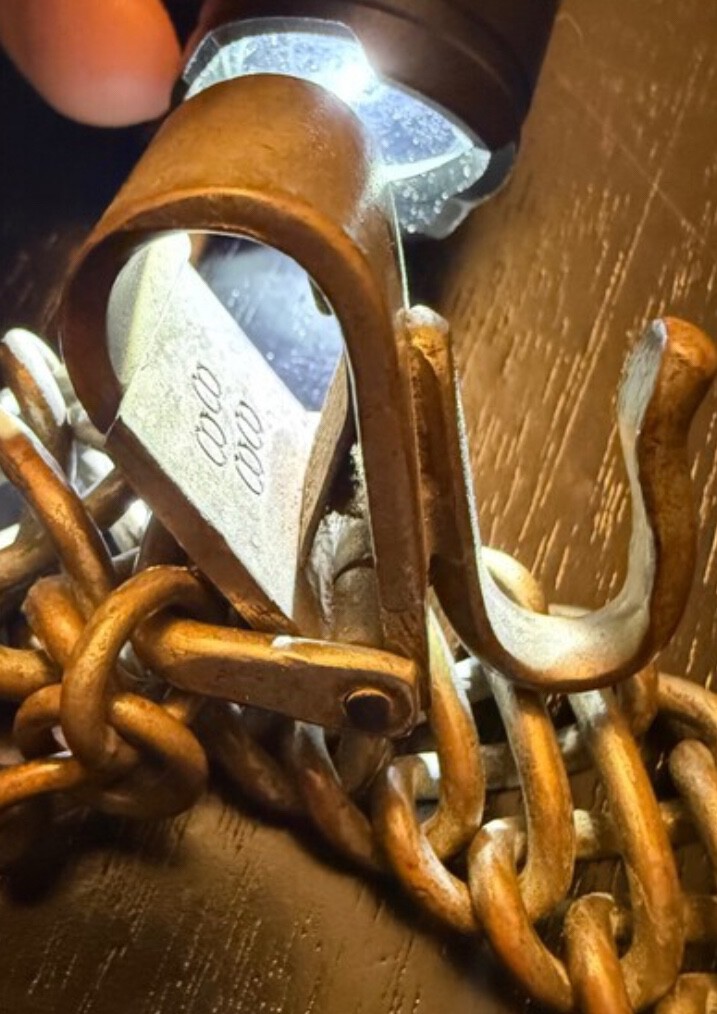
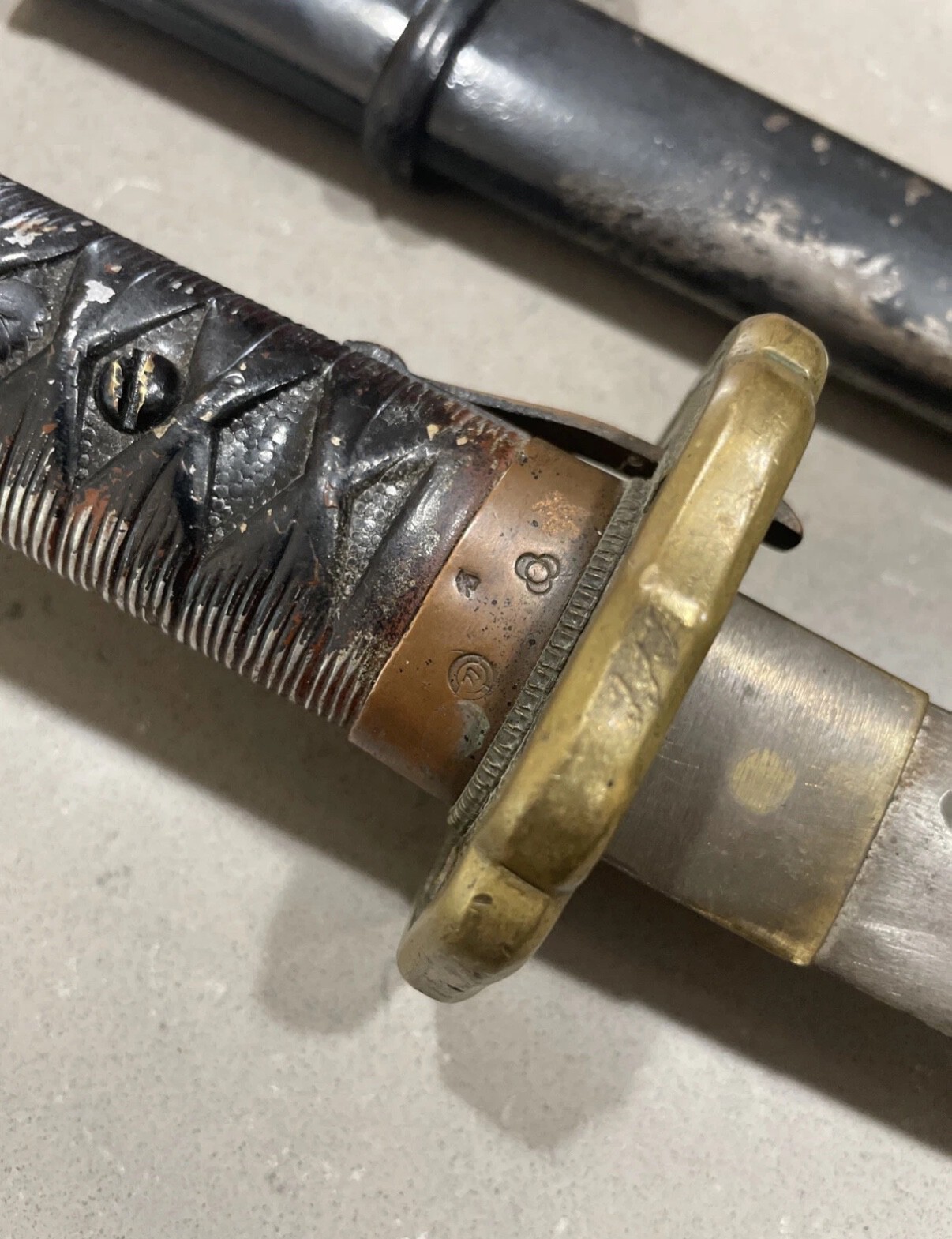
Hi @Mark C, Does your hanger have any numbers or stamps inside the large clip? Like this?

-

Saya matching for Type 95 NCO swords?
Scogg replied to brentlewiis's topic in Military Swords of Japan
Hi Lucian, It's a noble idea, and it would be nice to reunite mismatched swords with their saya. However, the chances of it working out in practice are very low. The main issue is that a mismatched sword and saya are not necessarily linked to another corresponding mismatch. For example, if sword #1,000 is currently paired with saya #3,000, that does not mean sword #3,000 is paired with saya #1,000. All it tells us is that sword #3,000 must also be mismatched. Its mismatched saya could just as easily be #8,000, or any other number. So, while I think it's a worthwhile idea, I suspect the number of successful reunions would be quite small and exceedingly rare. For what it's worth, I keep a running database of these swords, including stamps, serial numbers, and saya numbers. I have around 1,000 entries at this point, and after a quick look through the records, I could not find a definitive mismatched saya that matched a known blade's serial number. I'm sure they are out there and will turn up in time, but of the roughly 200,000 swords originally manufactured, and considering what has survived today, it would be a rare thing. Most of the swords that I encountered and cataloged have matching saya, which was a surprising revelation to me when I started this project. That said, if you have a sword serial number and saya number that do not match, I would be happy to search my archive to see if I have encountered the corresponding mismatch during my cataloging efforts. All the best, -Sam -
Tanto with horimono hidden behind kusarigama 36 poets
Scogg replied to Marcin's topic in Auctions and Online Sales or Sellers
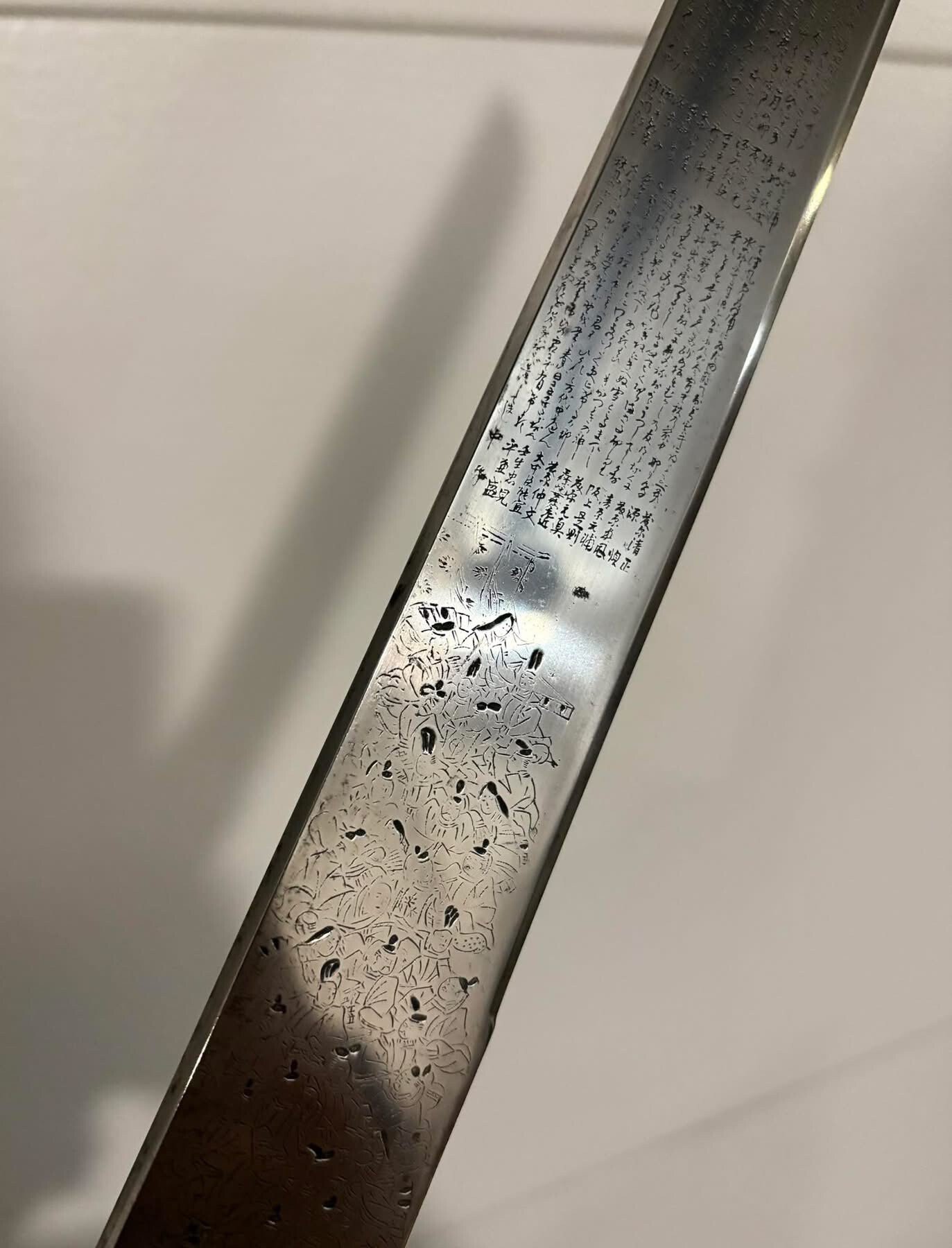
Thank you Julien. Here is the example that Raymond Yan shared on his Facebook page. Likely not the same exact sword? Looks like he just shared this one image. But nice to see the engravings a bit more focused / up-close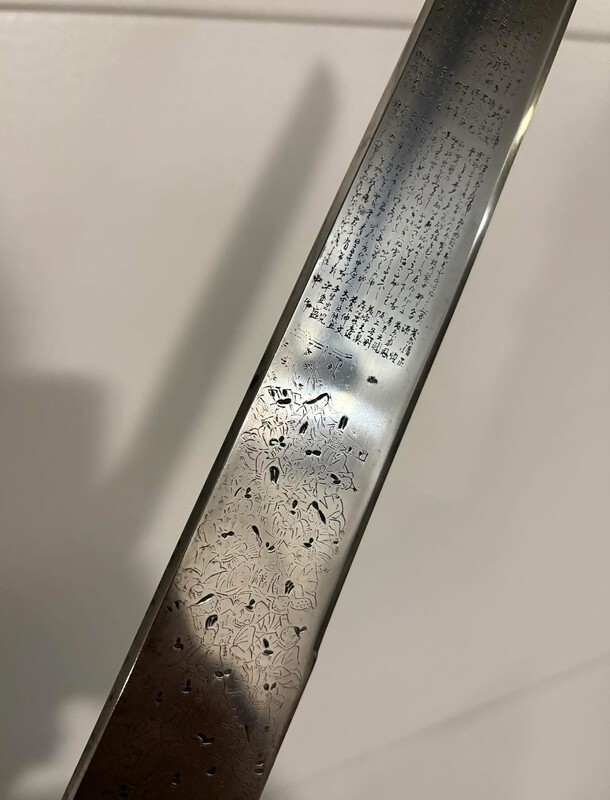
-
Tanto with horimono hidden behind kusarigama 36 poets
Scogg replied to Marcin's topic in Auctions and Online Sales or Sellers
I saw a nearly identical Tanto horimono on facebook recently. Described as depicting: 三十六歌仙 "Thirty-Six Immortals of Poetry" https://en.wikipedia.org/wiki/Thirty-Six_Immortals_of_Poetry -
My interpretation below: "Leather combat cover" is the term generally used when leather is applied to any saya at any time. This includes the metal 94/98 scabbards. "Late stage type leather-binding wooden saya" on the other hand would be primarily for blades that previously had a wooden saya, usually but not always civilian or blades donated to the war effort. A metal hanger would be added in place of the kurikata, and then the leather added. Thoughts? -Sam
-
Here you go @Geraint, and those of you who cannot open the link. I find the mimi impressive and interesting. I have not yet developed the “eye” that you tosogu folks have; but I find the piece attractive. I’ll have to practice a bit with Curran’s procedure. Could be a nice pickup for someone IF it were to sell for gimei prices. Regards, -Sam


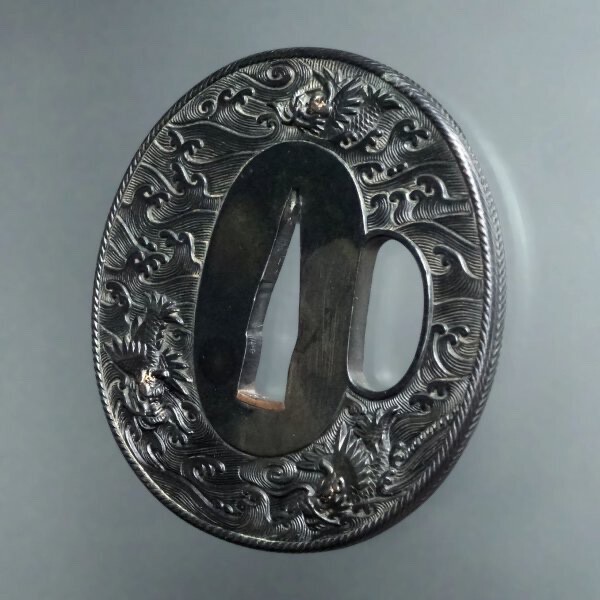


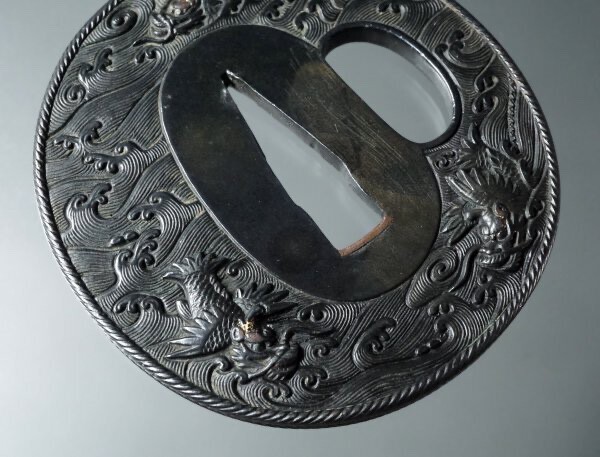
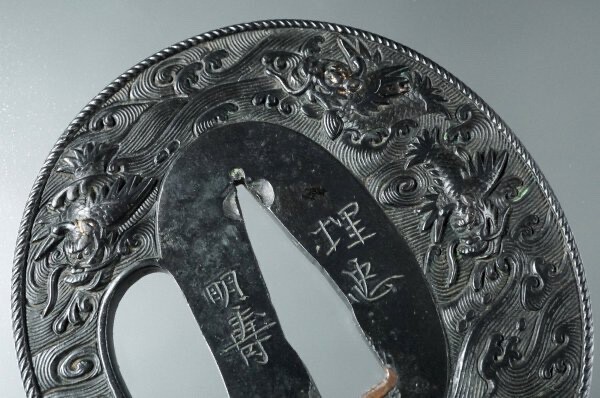
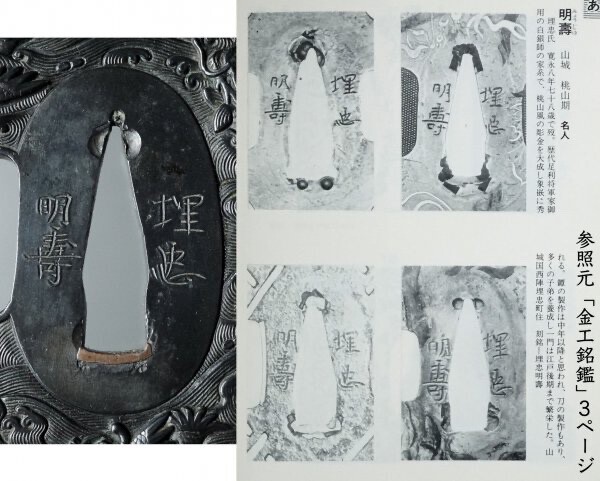
-
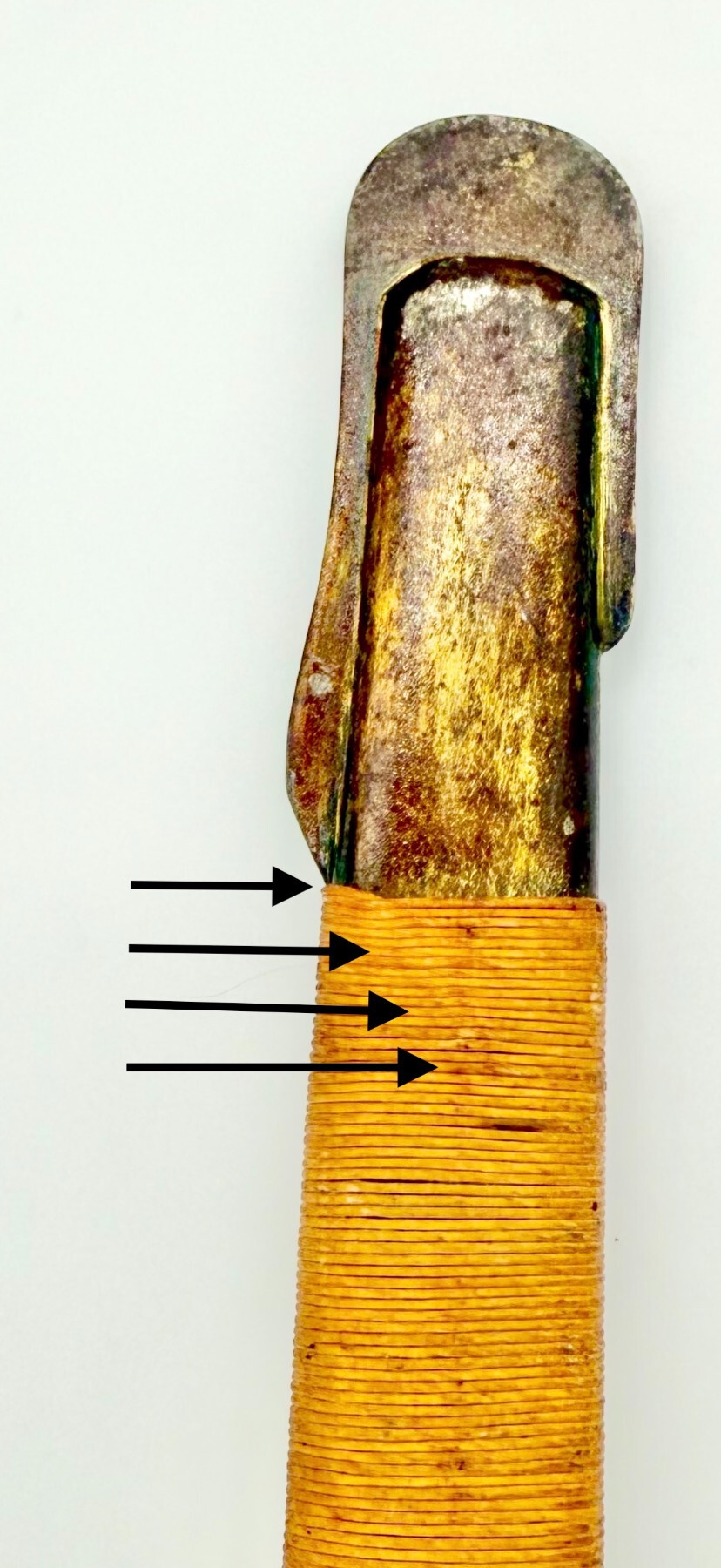
Great summary Rob. My beliefs reflect your own. I am sure that I have shared my example below maybe in the leather covered thread; but here it is to add to the string discussion. I have an early Aluminum Type 95 (Variation#2, SUYA, serial number 7249), that has a string wrapped scabbard. It was applied with an incredible amount of care and precision. Note how the string is not tied at any place, but is rather tucked neatly into itself (see last image). It appears to be coated with some kind of glue or "hardener", I am not sure, but it feels like it's had something applied over the top. Its very cleanly done, and VERY tight. I have always assumed it was wartime, or immediately post-war. I rather like it, and think it adds some character. I do not know if it holds any relevance to the string discussion, but the scabbard on my sword is a unit armorer replacement and is unserialized. All the best, -Sam


-
Arrows? I thought the other boat was throwing Gunbai at the archers!
-
Indeed; I would follow Jimmy Hayashi's in-hand advice over all else
-
Increasing Gold Membership numbers?
Scogg replied to Brian's topic in General Nihonto Related Discussion
Hi George. I don't view anything here as inherently "negative". Healthy criticism is welcome. The way you view things is valid, and is valuable as a new user approaching the board. Allow me to address a few of your points; in an attempt to help explain some of the issues we experience. @Brian, our forum administrator, has talked about a few of these over the years and he is ultimately the "boss man" when it comes to changes. I do know that he is working on updating forum software - and when that happens - many new "quality of life" changes will be implemented and some of the "old school" forum stuff will be phased out. So some of this stuff may just be "in progress" as we speak. *The site loading issues will hopefully be temporary, and are like you say, a result of some recent DDOS attacks. *Traffic is small because the hobby is small. This is not a site for martial artists or practitioners, but rather focused on the artistic qualities of Nihonto. We pride ourselves in focusing on preservation. There are a lot of martial arts resources for practitioners elsewhere, that is more focused on practice rather than preservation and art. *Image limitations are tricky... It cost a lot of money to host a site with this many images. You may not realize, but this is one of the largest depositories of Japanese Sword images on the web, and that's no small feat. To increase image size limits, upgrading to gold will increase the limit, but otherwise it's just too cumbersome on the site. *For "topics you've interacted with" would be nice. What I do for this, is click on my own profile. When you're viewing your own profile, if you scroll down, you will see all the topics that you have recently interacted with. Hope this helps explain our situation a bit, -Sam -
Hi Steve, Unfortunately this item for sale is not a genuine Japanese sword.
-
Japanese military sword
Scogg replied to Japanese military sword's topic in Military Swords of Japan
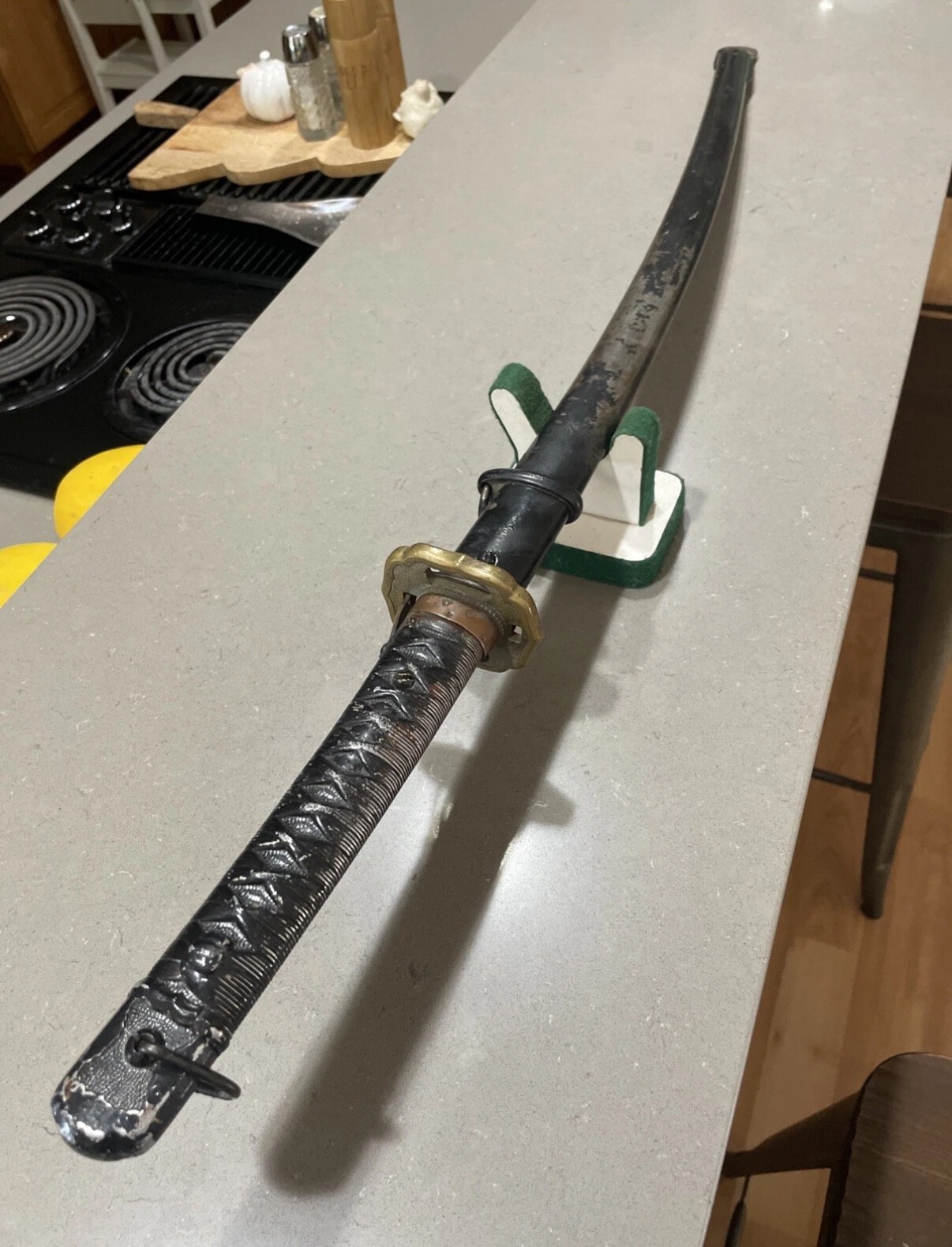
Hi Joeloe, welcome to the forum. Let me start by saying that you are awfully lucky. And there is no need to take this apart; it’s best to keep this type of sword assembled. What you have is a “Type 95 Gunto”. Yours was made in 1938 by Suya Shoten Co, inspected by Tokyo first army arsenal inspectors, and under kokura arsenal supervision. Yours is the first variation, often referred to as a “copper hilt”. They only made about 6750 swords of this variation before switching to an aluminum hilt. The copper hilt variation#1 Type 95 gunto is exceptionally collectible, and I have recently seen examples sell for between 3k and 6k. It’s real in my opinion. Does the scabbard have numbers at the opening that match the blade? Would you mind sharing an image of the tip/end of the scabbard also? Thanks for sharing, -Sam -
Please wait for the more knowledgeable to chime in. I'm still honing my ability to decifer kanji. Could it be?: 兼 Kane 氏 Uji Best, -Sam
-
Some good discussions for cross-reference: https://www.militaria.co.za/nmb/topic/14310-bakumatsu-kaei-ginnan-po-yari-osafune-sukesada/ https://www.militaria.co.za/nmb/topic/51765-yari-blade-shape-question/
-
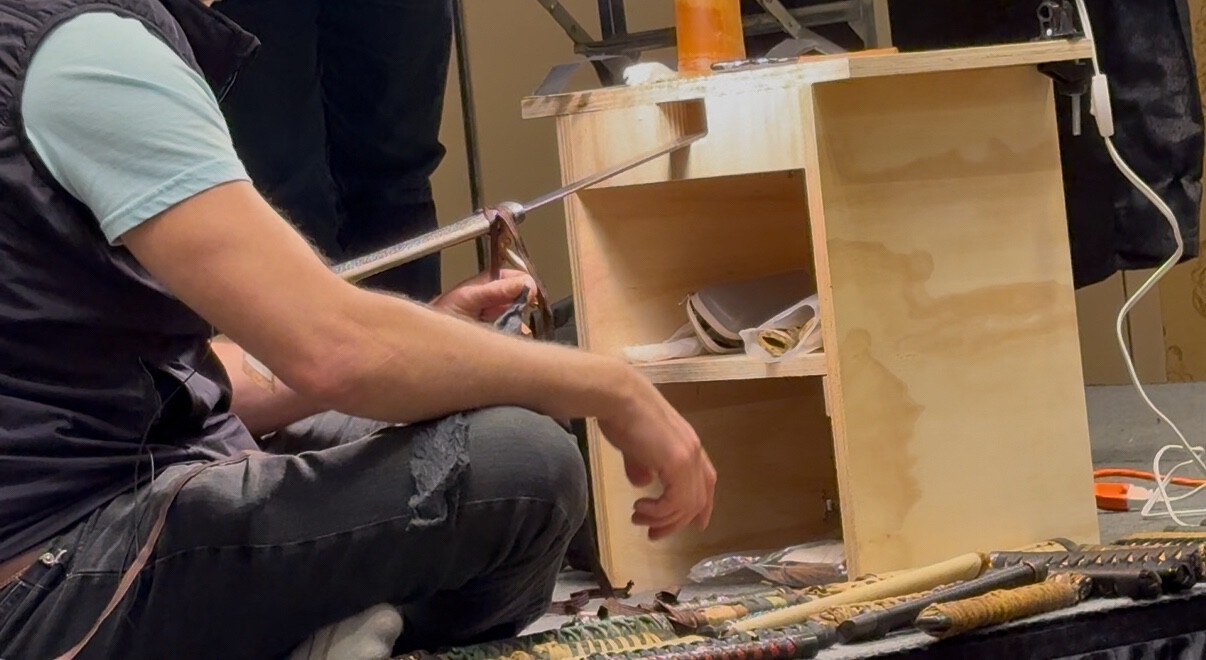
"Just a tsuka' for sale. What do people do with them?
Scogg replied to GreyVR's topic in General Nihonto Related Discussion
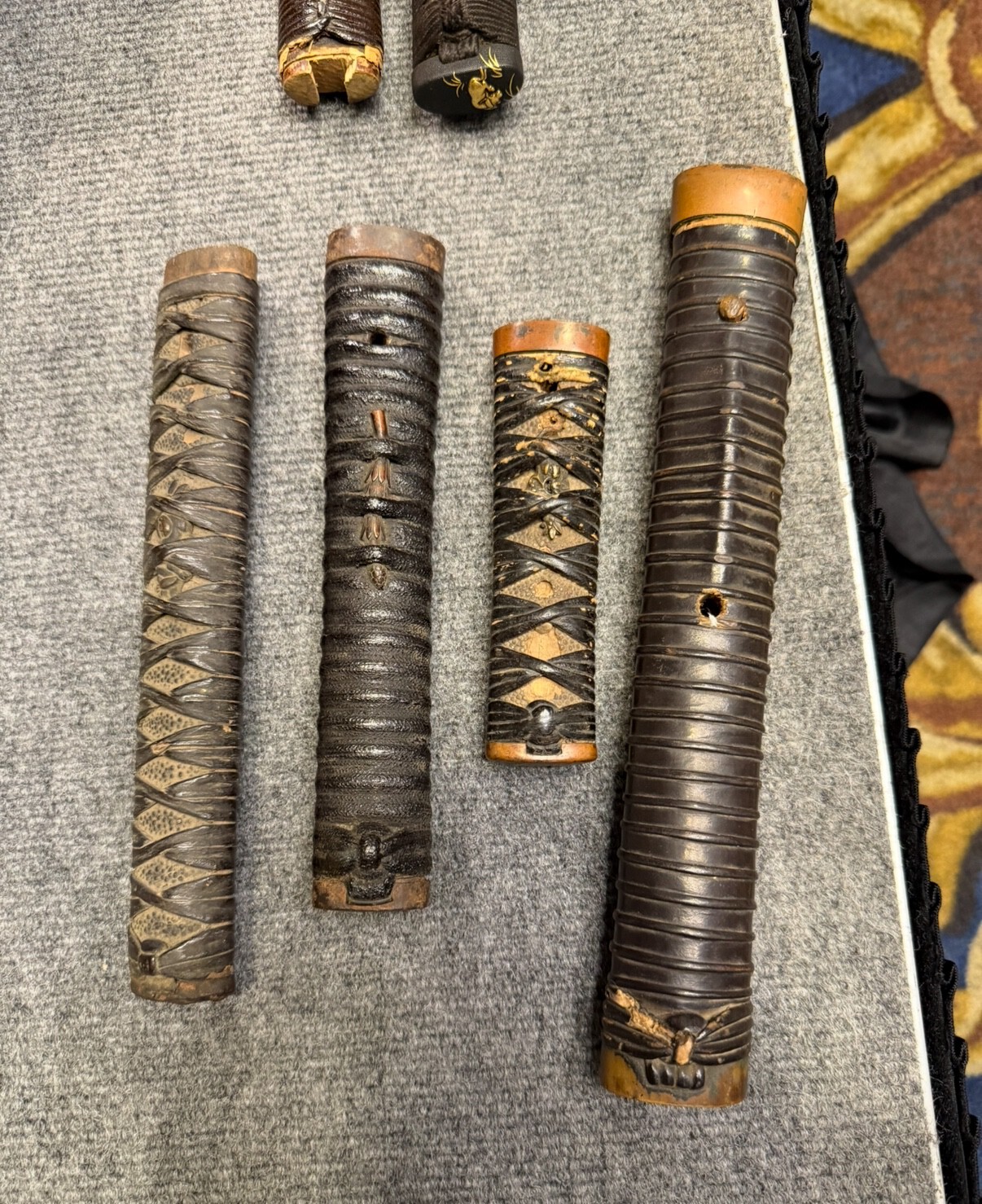
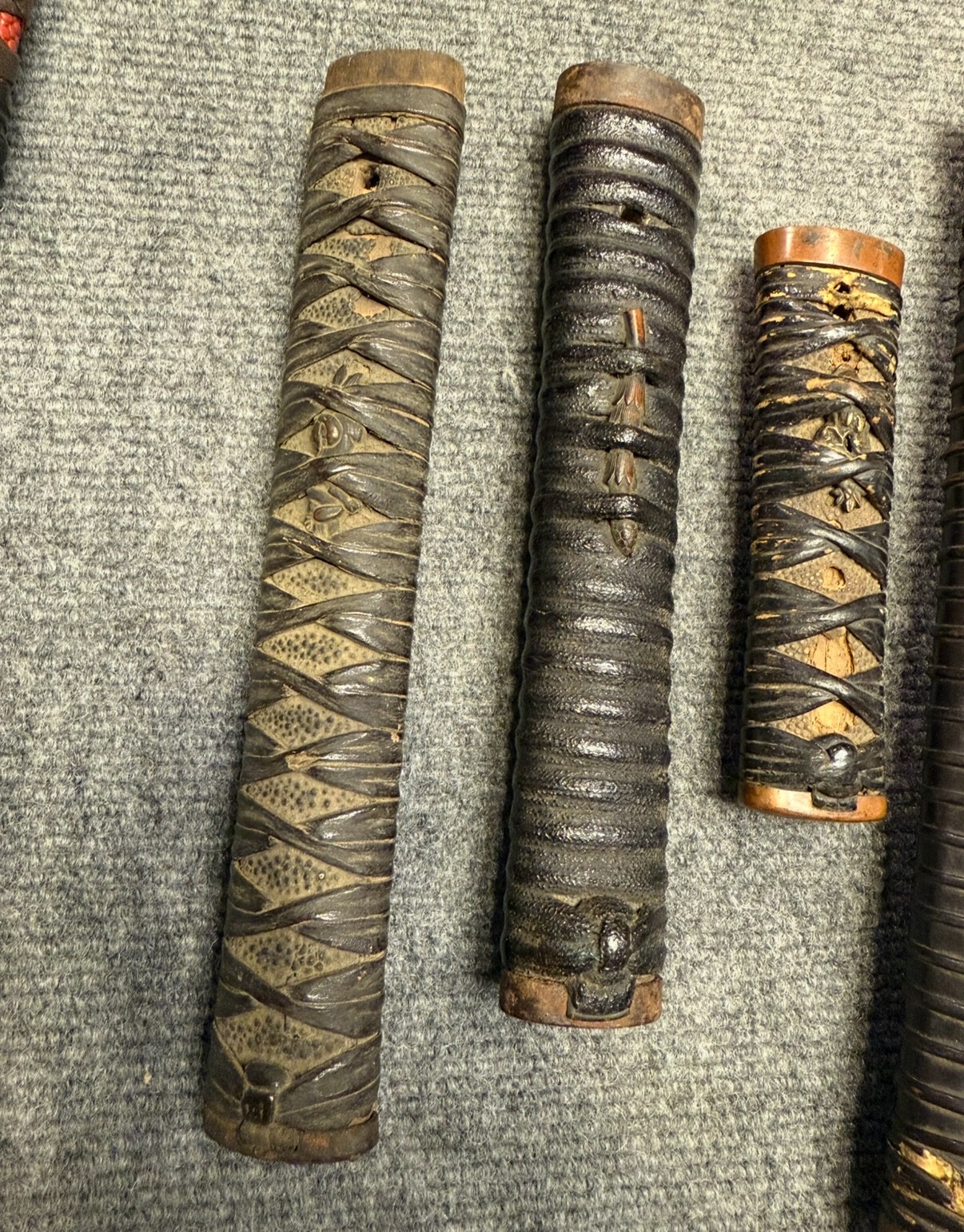
I’m no expert in fittings, and I haven’t seen it all of course. But the oldest tsuka I’ve seen in-person, from the muromachi period, were large and robust. I was surprised at the simplicity and overall utilitarian look. -
Unfortunately this appears to be a fake, and not Japanese. Sorry to be the bearer of bad news. -Sam
-
"Just a tsuka' for sale. What do people do with them?
Scogg replied to GreyVR's topic in General Nihonto Related Discussion
Last year at the Las Vegas Japanese Sword Show, Brian Tschernega did a presentation on tsukamaki and discussed tsuka. He brought several old tsuka from the Muromachi period onward, and talked about them. He emphasized that old tsuka were "teachers", and that they inform and inspire modern crafstmen to better emulate how tsuka were made in the past. Preserved old tsuka can help keep those tradition alive. Obviously not all tsuka are old, but just another scenario tsuka may be traded around. It's important to keep them in the hands of people who care about their preservation and appreciate that history and craftsmanship.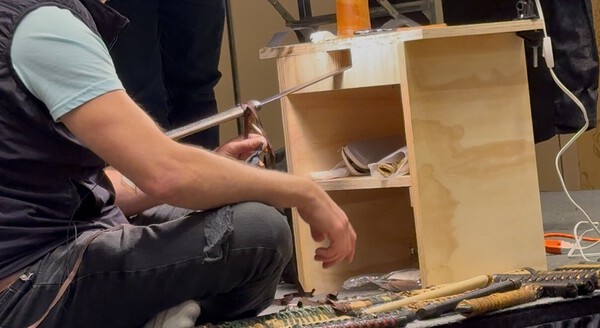
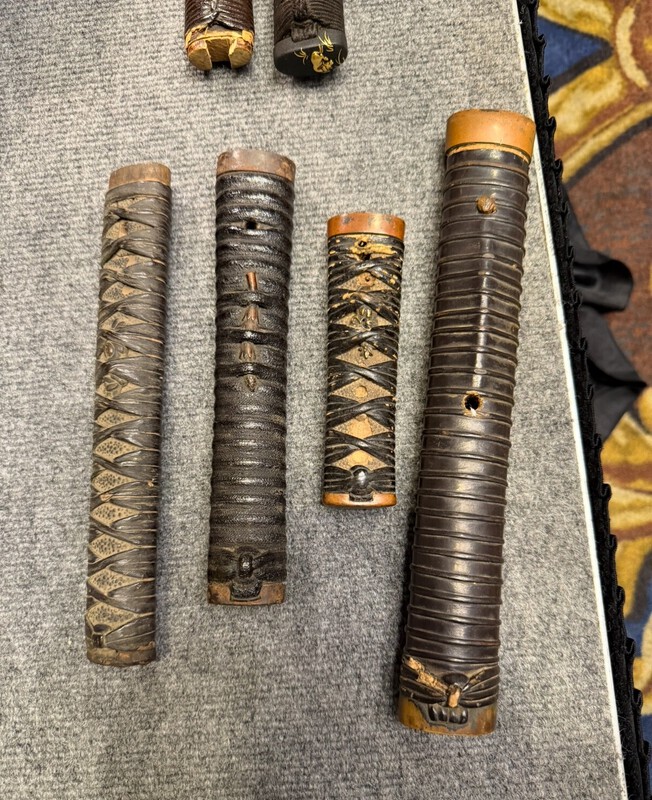

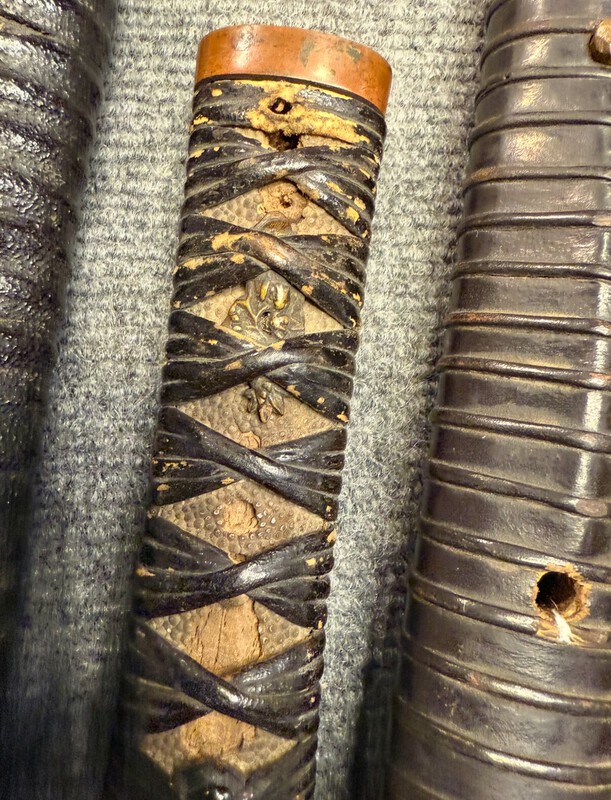

-
MILITARY books By Richard Fuller & Ron Gregory
Scogg replied to Marcin's topic in Military Swords of Japan
Interesting @Volker62, I am not familiar with that one. Is it an early edition, or a separate publication entirely? Can you tell us what differentiates that book from the others? Considering that I have all the others, I would love to complete the collection! -Sam -
Haha, true Bruce. I do attempt to list them, but they frustratingly have to reside off of the “master list” because I have it in serial number order. I have a few now that have either been obscured like this, or had the numbers polished away This one will have to be: 1 _ _ 4 _ _
-
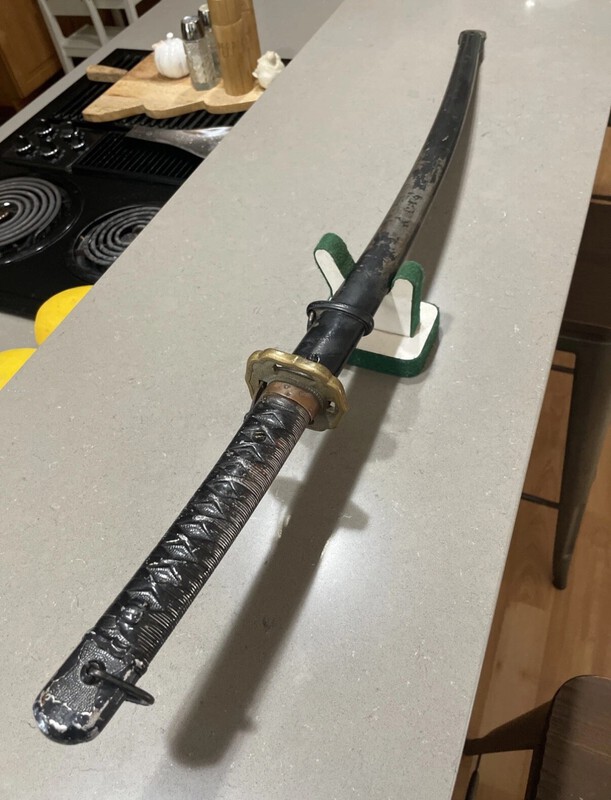
Here is an example currently on eBay that has had the serial numbers removed. Presumably someone scratched them out thinking they were a bad thing.. A shame to see. I can’t even catalog examples like this. -Sam
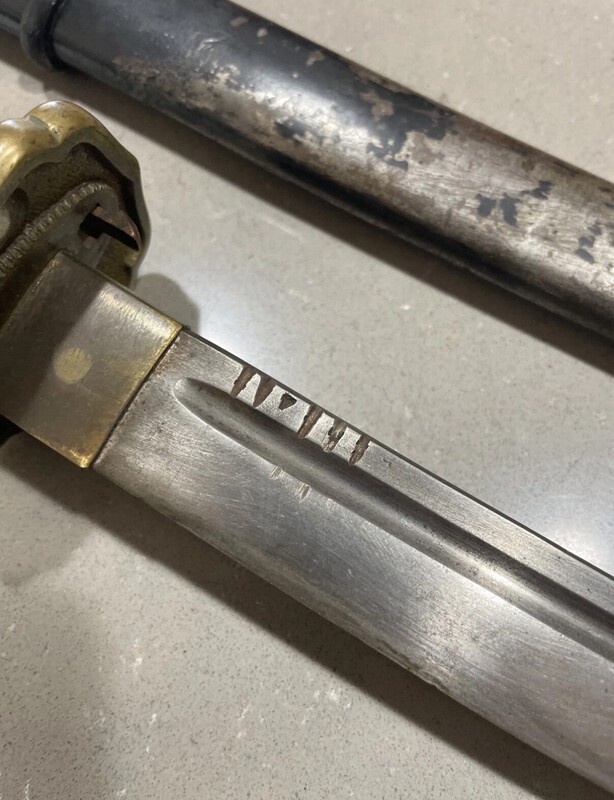
-
Hello @MattBrandon, welcome to the forum. I'm going to relocate your post to the "translation assistance" section. I think you'll get a faster reply there. The fittings are pretty standard "Type 98 Shin Guntō" fittings with nice looking leather combat cover on the scabbard. The matching "135" numbers is great to have, and strongly suggests that your fittings are originally made for the blade. This is a good thing, because often times we see swords that are "pieced together" from mismatched parts. Looks in nice condition. Best of luck, -Sam
-
Hi Leo, cool sword. Bruce, Conway, John, and Joseph got you covered with good input. I am a fellow Oregonian. If you'd like someone to take a look at your sword, feel free to send me a message. I doubt I could offer much more information than has already been provided; but sometimes it helps to get some questions answered in-person; and I'd be happy to show you how to care for the sword and oil it. I have no interest in buying showato, so I have no ulterior motives other than to help. Anyway, feel free to reach out if you choose. There's a militaria show coming up in Portland on June 19th-20th; could be convenient. All the best, -Sam
-
Thanks Bruce, this is a good one to have posted on the board. I have already linked this thread to a potential buyer and saved someone the headache. I have a feeling that we will be seeing this one again someday... -Sam
-
I think it's Nihonto; in my opinion. I've never seen a fake with such an unusual, yet clearly intentionally done blade geometry. Everything else looks good, and I'd really like to see the other side of the nakago and more photos. Very strange no doubt... My non expert opinion would be some kind of shinto or shinshinto oddity. Extra emphasis on the non-expert part... -Sam
-
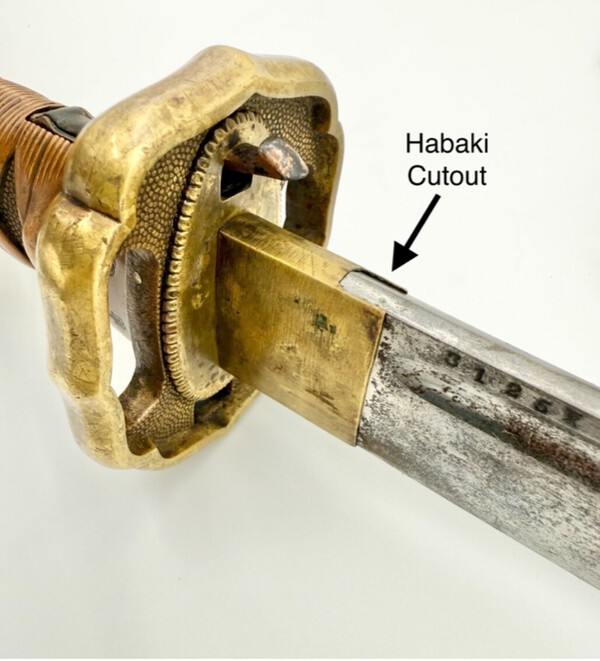
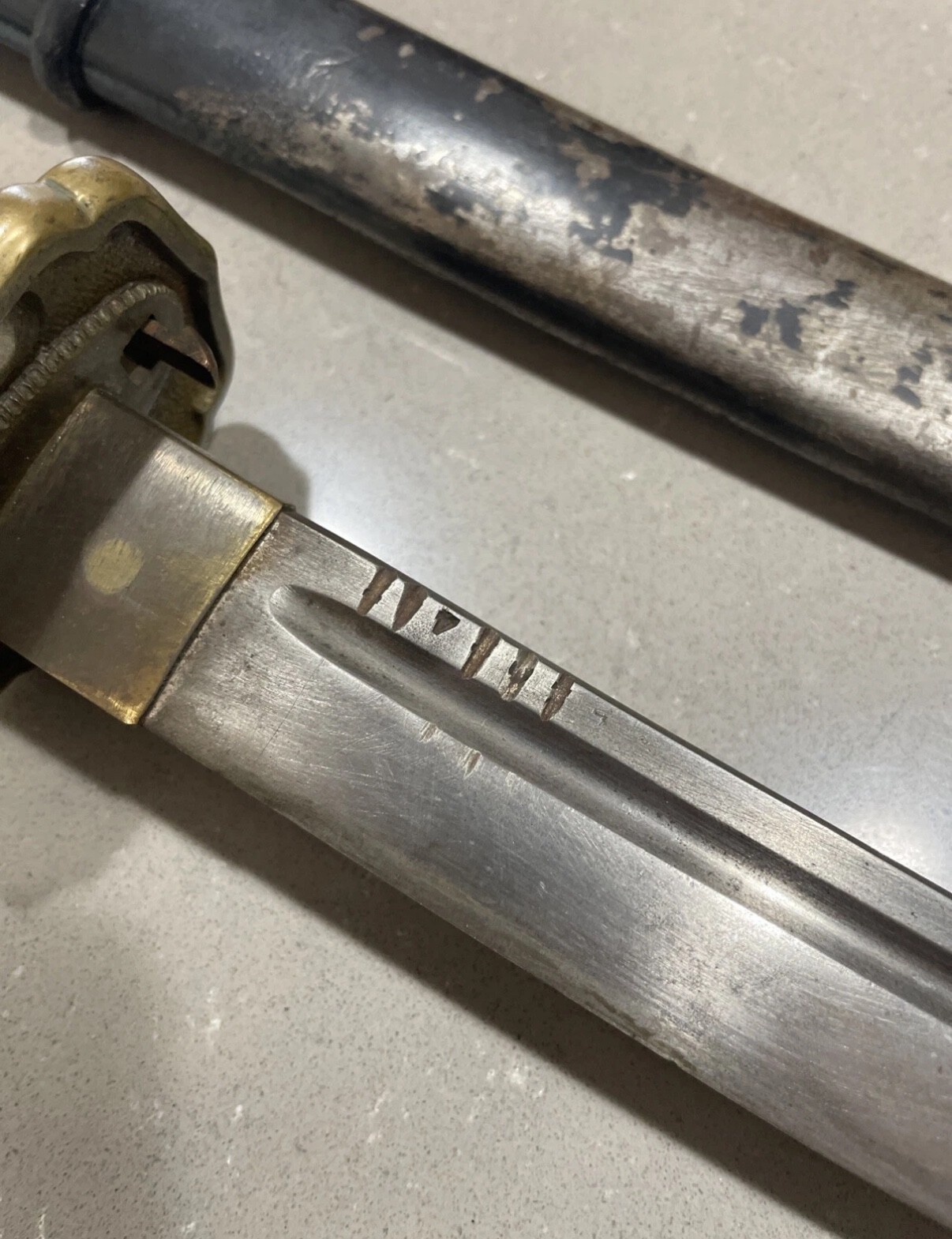
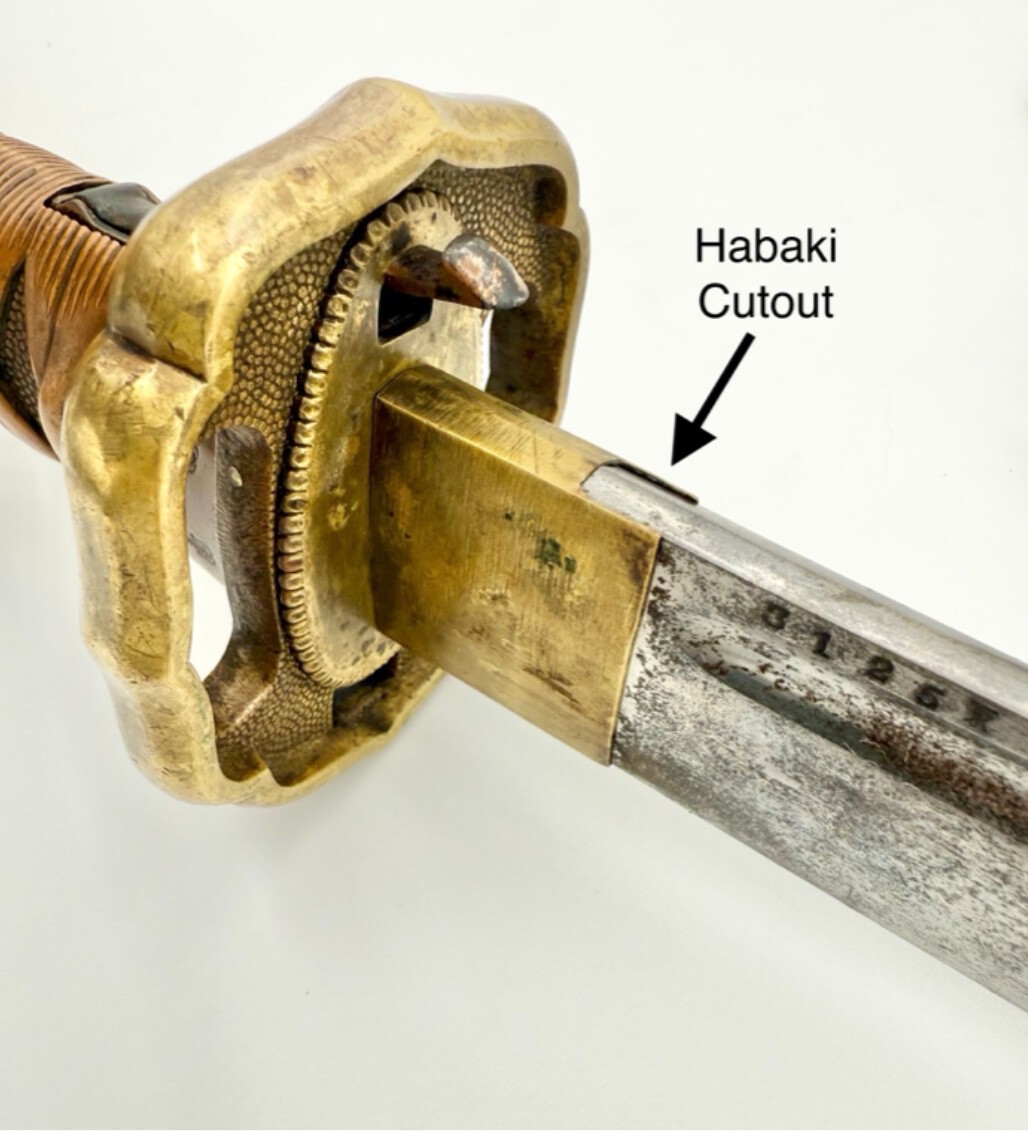
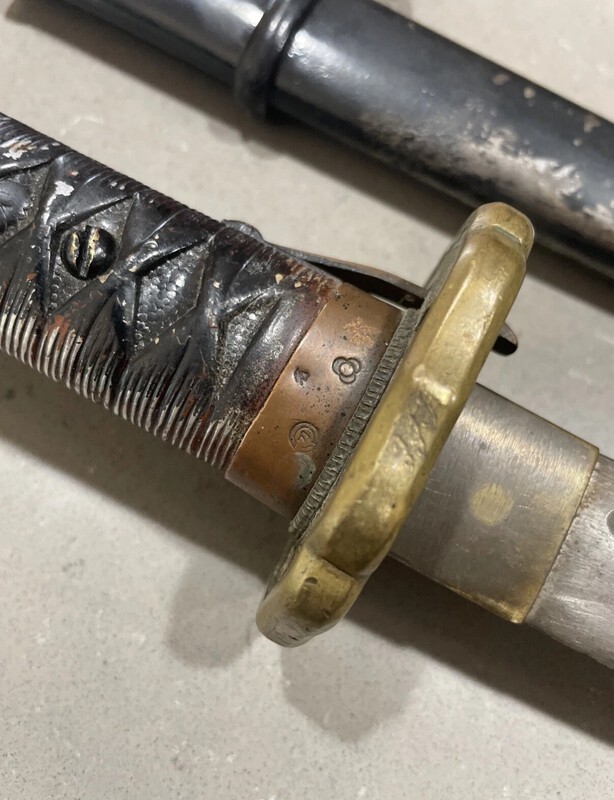
Good eye, Bruce. I agree. We will have to keep a keen eye out for these. Thank you for sharing. To add, the habaki on copper hilt Type 95 swords should have a cutout on the mune (like the Nihonto habaki we are familiar with). The subsequent aluminum hilt variations did away with the habaki cutout. Also factory original copper hilt swords were made without a mekugi. Instead they are secured to the hilt only by the grommet screw at the kobutogane. Example of the habaki on a genuine sword: