kaigunair
-
Posts
732 -
Joined
-
Last visited
-
Days Won
1
Content Type
Profiles
Forums
Events
Store
Downloads
Gallery
Everything posted by kaigunair
-
Great info! Attempting to add kanji:
-
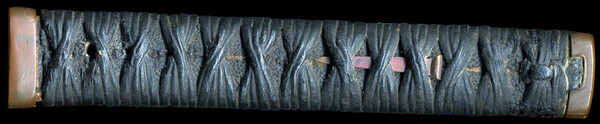
Here's my contribution. Had admired this one on Andy and Boris' site and finally picked it up ( again A+B! ). I appreciate it for the the symbolism of how the copper "nails" might line up with a users hand. If anyone can key me into a matching crypto christian tsuba, especially in copper....


-
+1 for Boris and Andy's site . Just picked up a copper themed tsuka from boris & andy myself ( ), though not as refined as Ian's (which I think is lovely). I saw my original question was removed, but I was wondering if the original set is later Edo period (revival) or an earlier pre-Edo piece. Given that its copper, I guess it would be considered yamagane (earlier works) vs suaka (later edo) depending more on the period of construction? I was going to post mine in the crypto-christian section, but since its also copper and somewhat simple, thought it would be ok to post here: It much longer in hand than it looks (I initially thought it would be wakizashi sized...)
-
Workmanship looks decent to me. According to haynes, he worked 1775-1800 as a low grade retainer of the Matsudaira Daimyo of Mito. In wakayama's pictured examples, the signature is a little different. Wakayama has pics showing the style of the last character of his name with a different, maybe earlier kao which is more square. The kao on this tsuba is in pics with a different rending of the last character. So maybe this is a "transitional" signature, where he signed in an older style with a newer kao? Oh, just noticed that the kao is cut off when it was fitted. There is alittle variation on what's left of the kao and the examples in wakayama, but not sure if its enough to throw it out of shoshin....
-
Thanks David. Those are quite the masterpieces ...too bad they aren't for sale! Will keep up my search and studies into info on hazama....I think I recall they were made in a remote place so I wonder if this is part of the allure...
-
...it'll be alittle bit longer before I post the thread, as I'm writing my dissertation...er...response offline first to make sure I have my facts in order. Plus I have so many books to go through to make it look like I know what I'm talking about and not just ... Thanks for the explanation about the hazama technique. It reminds me of the pre-namikawa/ando style of cloisonne work done on plates and vases with the unfilled holes, the stuff I believe Japan was usually exporting...a bit unrefined. I guess it also reminds me of the chinese knockoff cloisone vases I see in junk/novelty shops in the bay area. True Hirata enamel work is quite beautiful to me and of the enameling level of namikawa/ando, even if it isn't wireless. Is there some historical context or backstory to hazama work that adds to its appeal? Or is it trying to mimic another famous art style, similar to how somin's katakiribori mimic'd a particular type of brush stroke and painter?
-
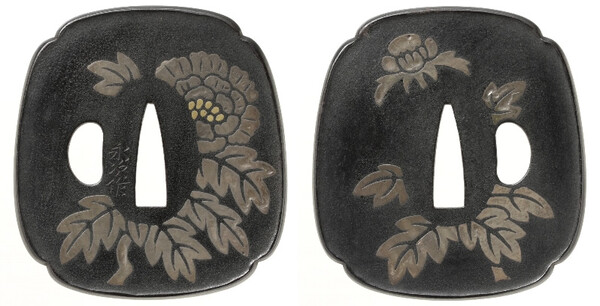
:lol: I thought this thread had gone cold....and then to see that Ford picked up the tsuba! I do appreciate the wabi sabi / boro boro discussion. Very interesting indeed! Ford, you crack me up :D . I sometimes wonder how much of what you post is just to see if you can sway opinion on the forum on the opposite direction! (BTW, you are often times very convincing - with great power comes great responsibility ). In the case of this little tsuba, I'm glad it found a place in your collection. I will say for now that I went a different way on another certain piece which you had voiced much reserve against; your comments had been really gnawing at me, but I do feel ever so *slightly* better about the decision. Am putting together a little post which is why I'm alittle hush hush right now... Curran, I came accross some hazama pieces in an older auction catalogue (lundgren collection I think), and was shocked to see what they were going for. I must admit, those too seem to be an acquired taste, but maybe more along the lines of wabi-sabi for me. I recently saw a hazama piece with a botan flower theme that did really appeal to me, but it was already sold. I had previously thought the holes/loss in the inlay had been intentional/integral to all hazama tsuba until seeing the botan example.
-
That's great info. I had though that kao's were just another part of a signature and didn't think that extra care would be taken to render them; I will be paying more attention to the kao renditions when I go through wakayama. If I recall correctly, the signature I was looking at didn't have a kao, but I really should put the pics together and get it posted. I appreciate the comments!
-
...wasn't much at all, as I was making an offer with the view that the piece might be ok as a intro to katakiribori, a study piece of non-yokoya work. if it happened to BE yokoya, well...then that buy-it-now would have been a steal.
-
I couldn't find too many examples of f/k pics on the yokoya school and was wondering if the smaller surface area changed the general Any good book recommendations for yokoya school and branch families? I have one on somin on the way, but would love to hear about any books that do a more comprehensive survey of the school. David, I've been wondering that very question myself regarding signatures. Although I hated it then, I'm thankful that I have alittle experiece when it comes to writing kanji (i.e. a very basic understanding of stroke order and pen/brush direction). It does help when I'm trying to compare a shoshin example to a piece. I know that the longer an artist works, the more variation on signature should be expected. But there is an artist in wakayama where the variation is so great, I wonder whether all the examples are actually shoshin. Been thinking about how to post a thread on that one for a little while, but my lack of a photo editing program has held that off. In the end, I know we need to become so familiar with an artist so as to be able to identify his piece without seeing a signature. Unfortunately, not many places or opportunities to see the real pieces in person, so pics on thei forum and from (expensive) books are where my education must come from. For the former, I am very grateful to Brian and all the members who post pics on this forum. The archive is such a great help to neophytes like me. Thanks all for the comments. Still would appreciate any leads to pics to yokoya branch family f/k or posts. Thanks in advance.
-
I saw this one and put in an offer. The signature was almost close to the 3 examples in wakayama, but the top long stroke was usually divided in the examples. The kao also looked slightly off. When I tried to examine the piece itself, the unsigned kashira looked better than the signed fuchi. All I could find were great examples of the master himself, so didn't know how to compare the founder of a branch family to that work. This set definitely did not match up to Somin's work. http://www.ebay.com/itm/251240781035?ssPageName=STRK:MEDWX:IT&_trksid=p3984.m1435.l2649
-
That's a beaut. I noticed the auction appears to have been held back in 2011? So while the piece is very nice work, that price might have been a one-off. I read a haynes article online where he comments about the rise of a certain group of buyers at auction that were paying outrageous amounts for tosogu pieces and his musing about the motives behind it. Could be someone was looking to convert some funds into items small and easily carried around. I hope it was a well healed museum fund. But at least the price "hit" hasn't happened just yet considering this was two years ago. Good for those new to the area like myself. I'm secretly hoping the money moves towards Chinese and S.E. Asian antiques so I can collect! One alternative way to look at this piece is that compared to a normal tsuba, the surface area is at least equivalent to 6 tsubas (assuming he decorated the inside sides of the box as he did the lid and the bottom plate). That's still about $25k a tsuba/plate though. (I know, this is far from a perfect comparison )
-
Hey boris, think nothing of it. I'm glad I could add to the fun :D . I was thinking this was way over the top wabi sabi, so most likely a fake...was wondering whether this sort of thing appealed to the iron collectors, and I'm glad it doesn't. I recently got a sample of tamahagane so I did wonder if this was supposed to be something like raw tamahagane. A "real" tosho tsuba, where the smith didn't even have time to melt the thing! :lol: I hope Curran's comment makes someone's signature line...hilarious! Iron is foreign to me, so just happy I posted something that got a few comments. I was out earlier spending time with family, hence the delayed response. nothing else.
-
Saw this one and had a slew of questions. First off, it is even a real Edo or earlier period iron tsuba? Fake repro? Pulled from a lake? http://www.ebay.com/itm/Openwork-TSUBA-of-KATANA-sword-EDO-3-3-0-2-90g-/350731465738?pt=Asian_Antiques&hash=item51a939740a
-
That's great news. I can't wait for the "Hallam" school of tosogu to end up being listed on a sesko geneology, so I hope you find your nidai soon.... :D
-
The restoration definitely helps one to imagine how these would have originally looked when worn by a samurai in mounts. The kozuka restored is wonderful and gives a much better pictures of what the original owner wanted. I was wondering how restorations are treated by the tosogu community/experts in Japan? Is it like polishing, if done right it enhances the value (and appreciation)? Or is it like fine furniture where originality is paramount and refinishing destroys value. Especially for kinko pieces, if you have a papered piece in poor condition and have it restored by someone with the expertise such as Ford, does this enhance the value? devalue the papers? Is it frowned upon or encouraged? I'm thinking that machibori pieces are treated more like paintings than swords, so a restoration is usually ok if done correctly and may enhance the value since it brings out the original artwork?
-
Is this a beginner's course or an abridged/compact version of the 4 week course for intermediate students? I hope it does so well, you decide to do more of these...and possibly one in northern california...! I'd be a willing guinea pig (i.e. paying student) if you need to do a trial run before or after the august show in SF (if you were already planning on attending the show...)!
-
Thanks Adam and Franco for the lovely pics. I will definitely be looking for Omori works at the august show to view this technique in person.
-
Wow, that's a nice one! Great stand too.
-
The Hamano School and the varieties of expression
kaigunair replied to Ford Hallam's topic in Tosogu
yes, images are not great, were taken with an iphone with a non-photographer's hand. before you complain, feel free to upload your images taken by your own hand to show me how its done right . -
The Hamano School and the varieties of expression
kaigunair replied to Ford Hallam's topic in Tosogu
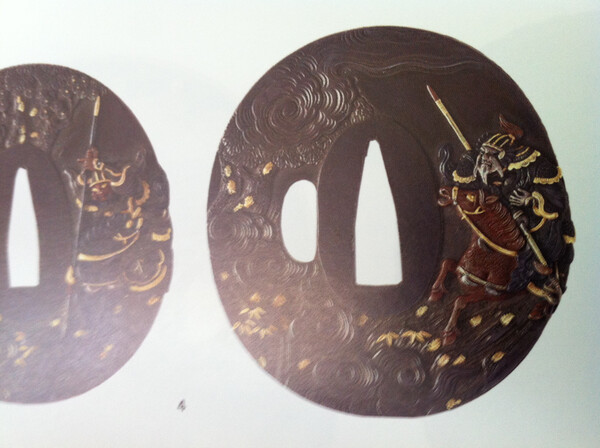
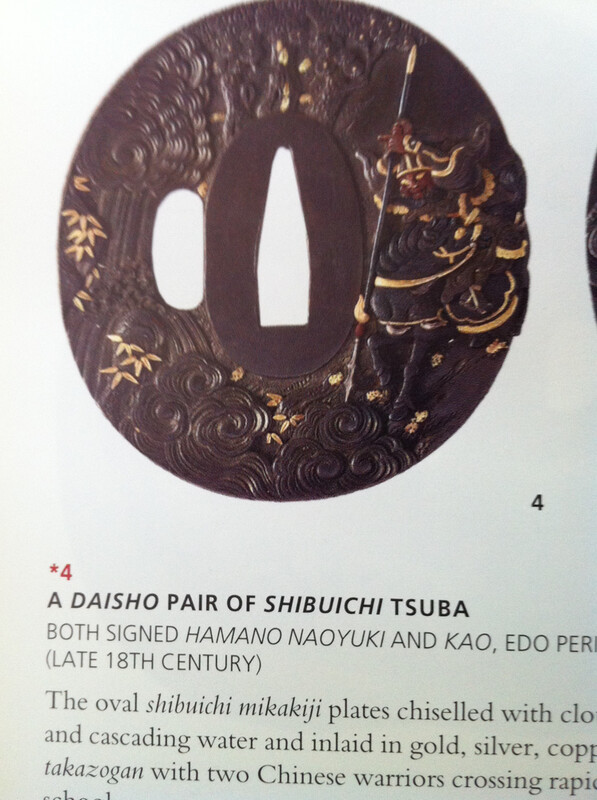
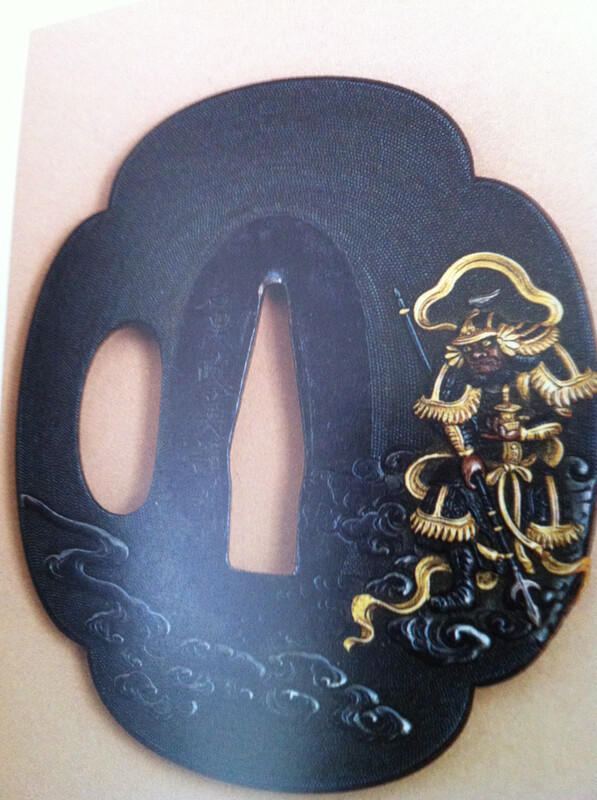
last bunch: an ishiguro school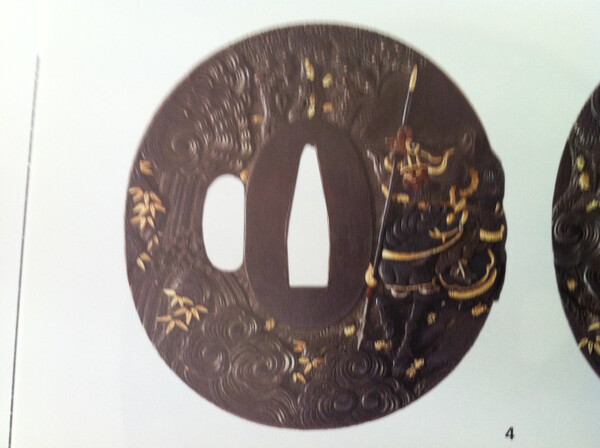
-
The Hamano School and the varieties of expression
kaigunair replied to Ford Hallam's topic in Tosogu
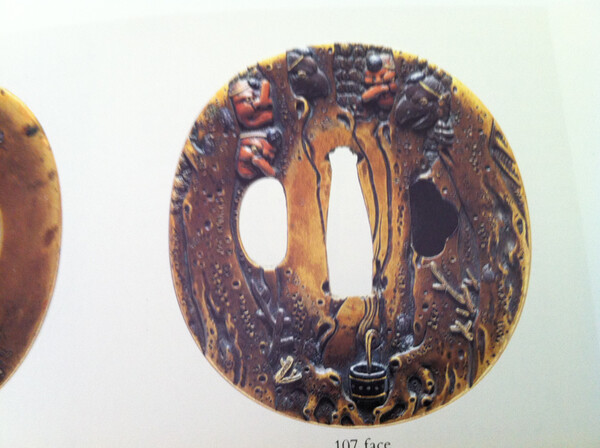
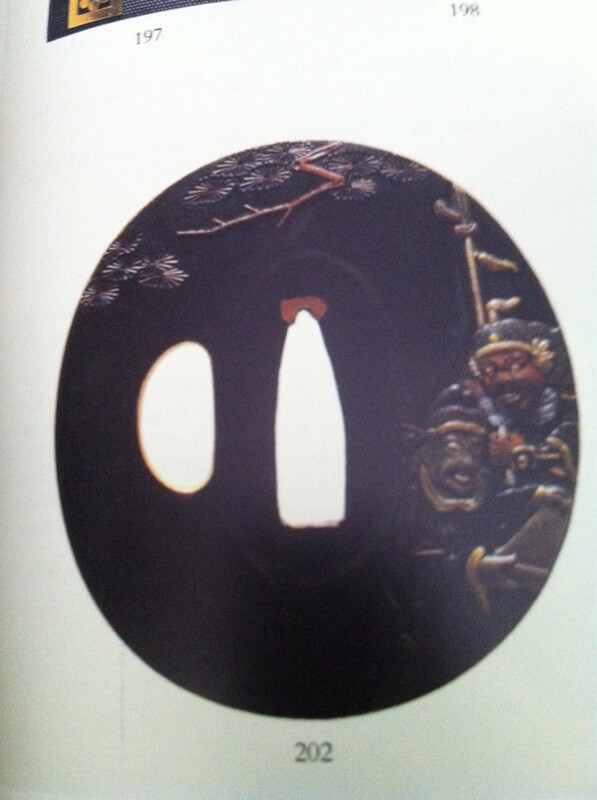
more images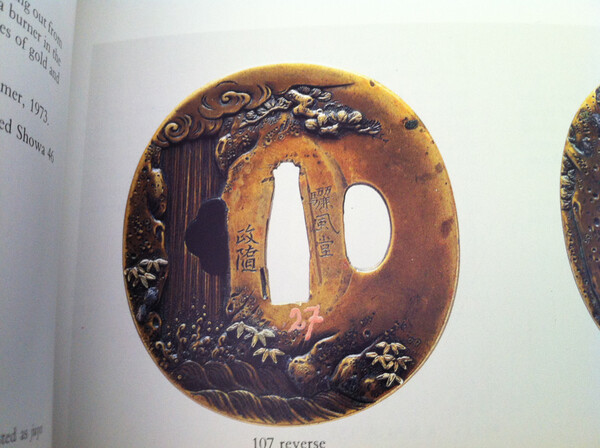
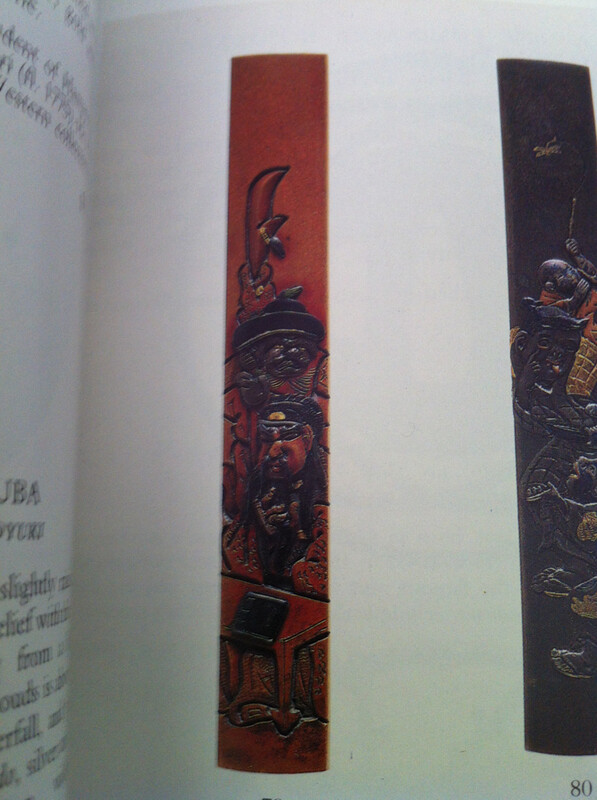
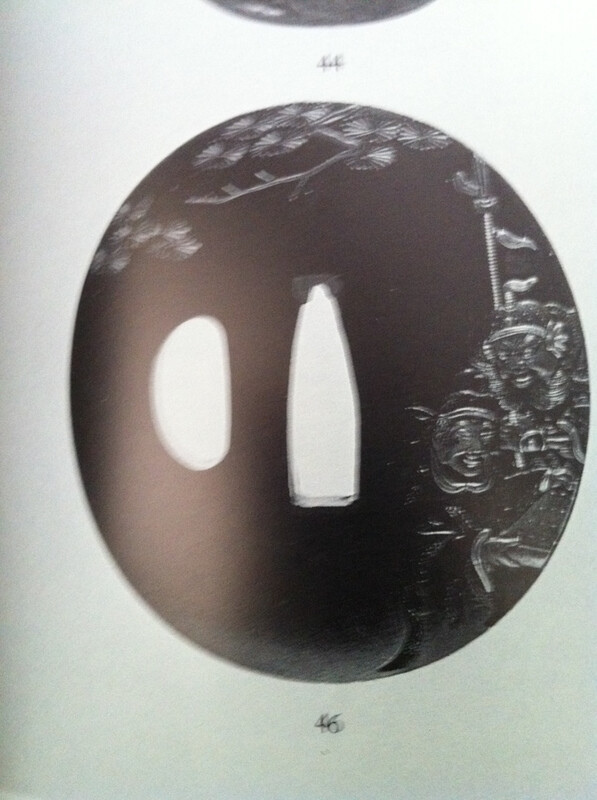
-
The Hamano School and the varieties of expression
kaigunair replied to Ford Hallam's topic in Tosogu
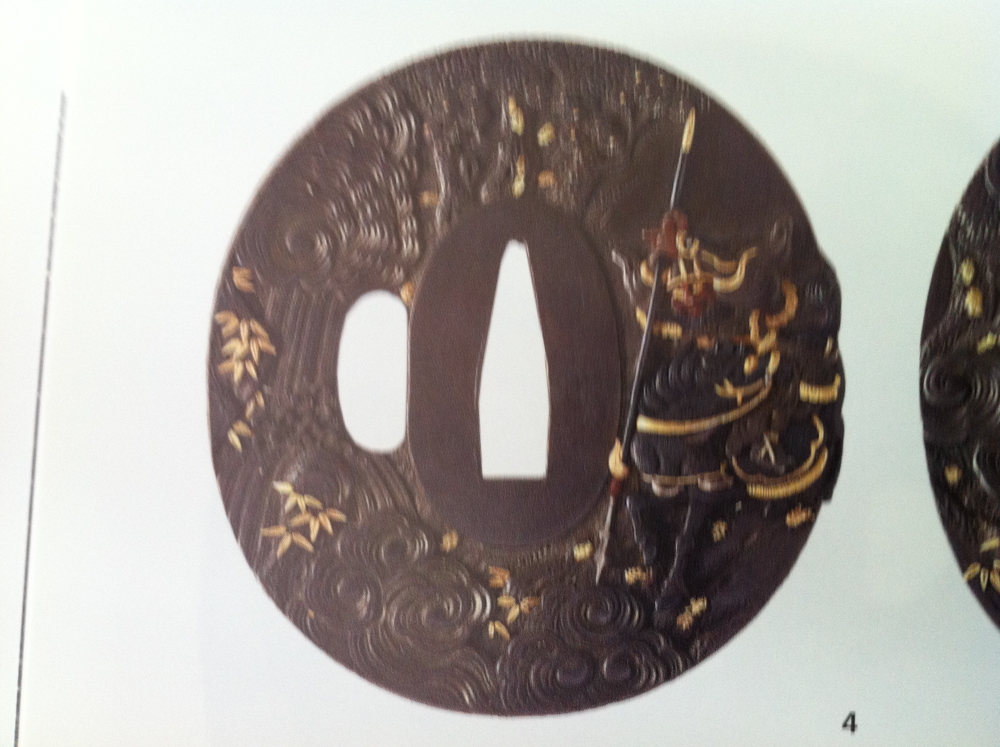
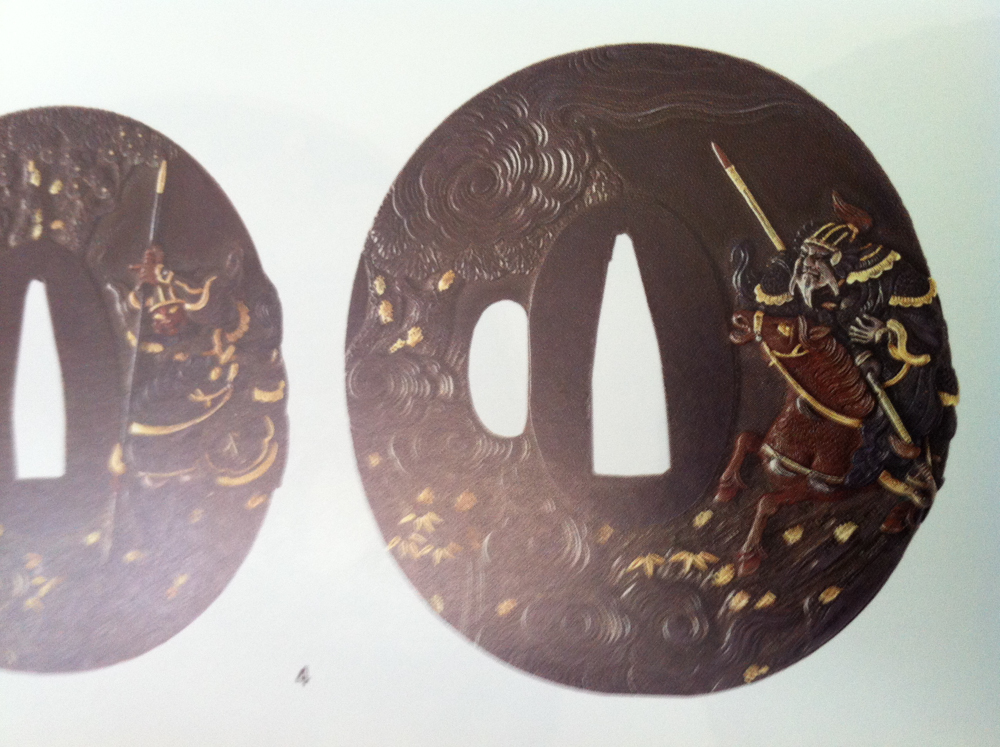
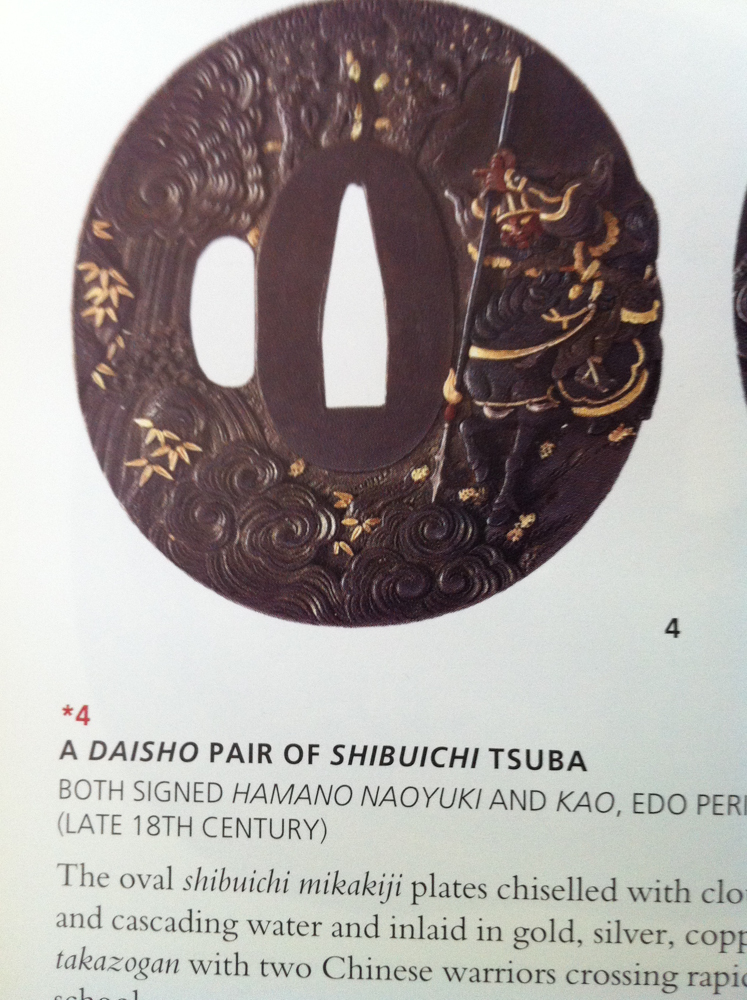
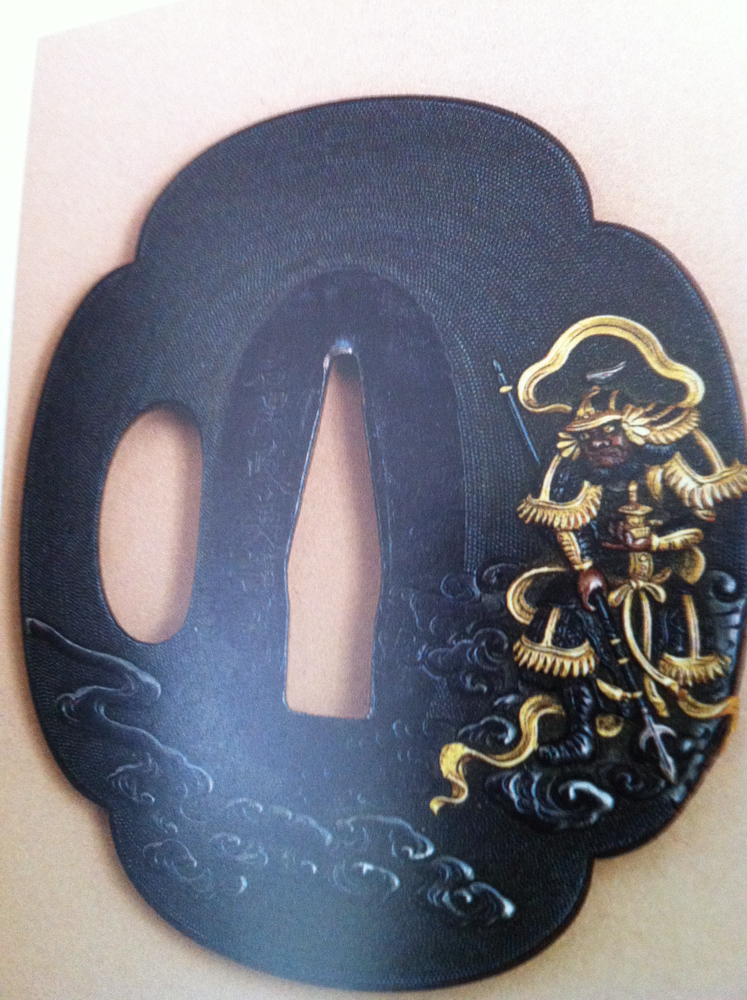
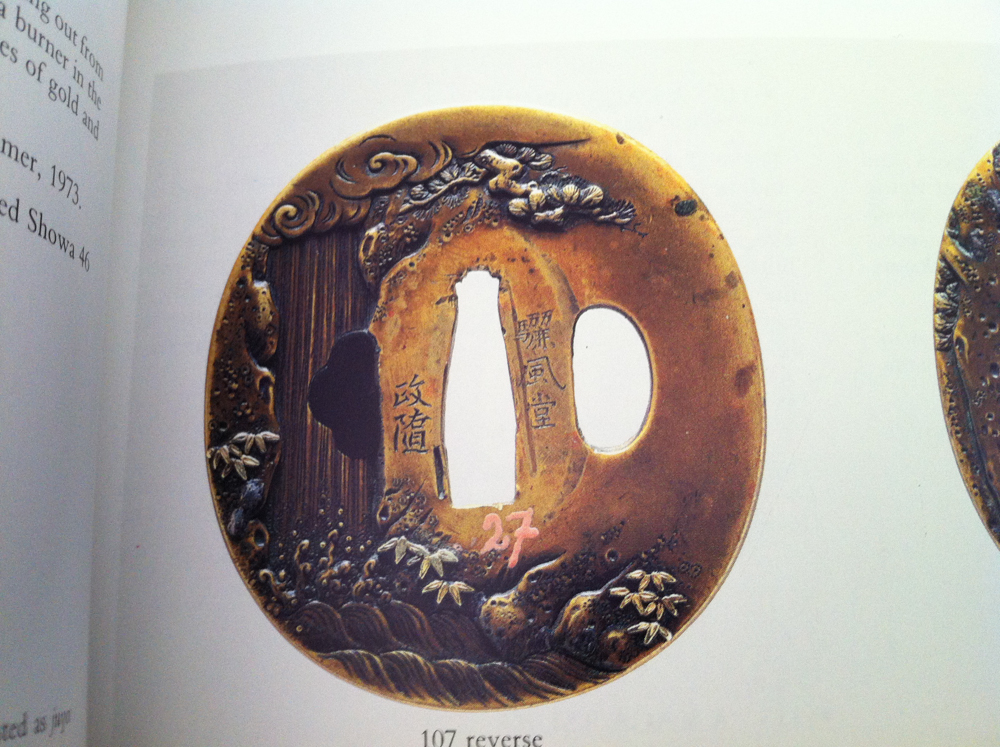
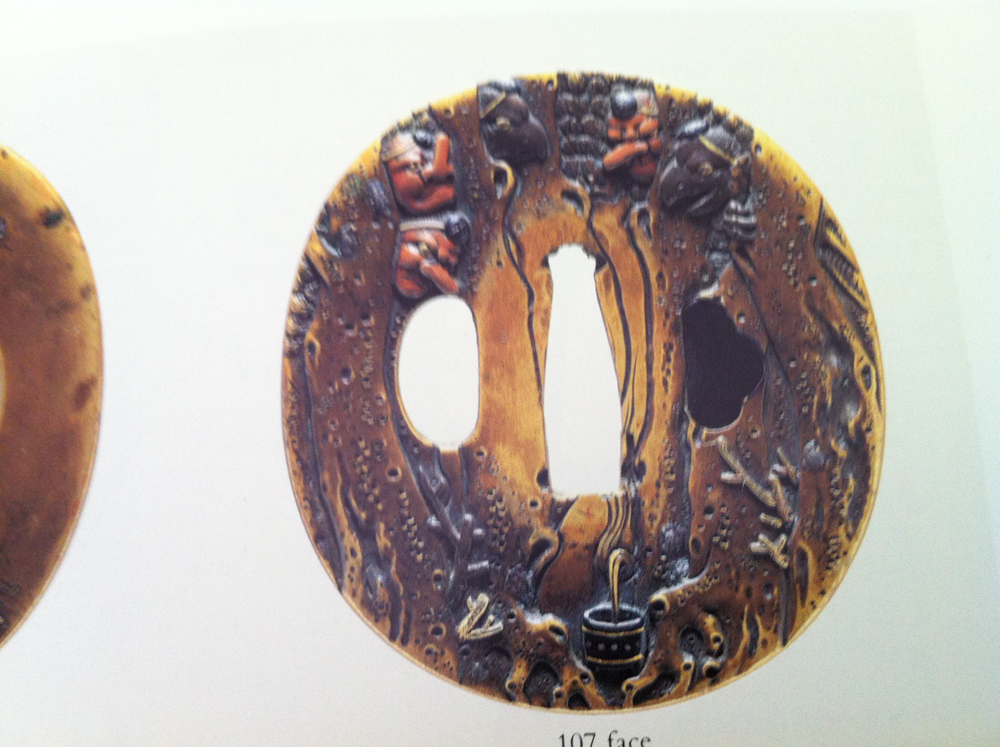
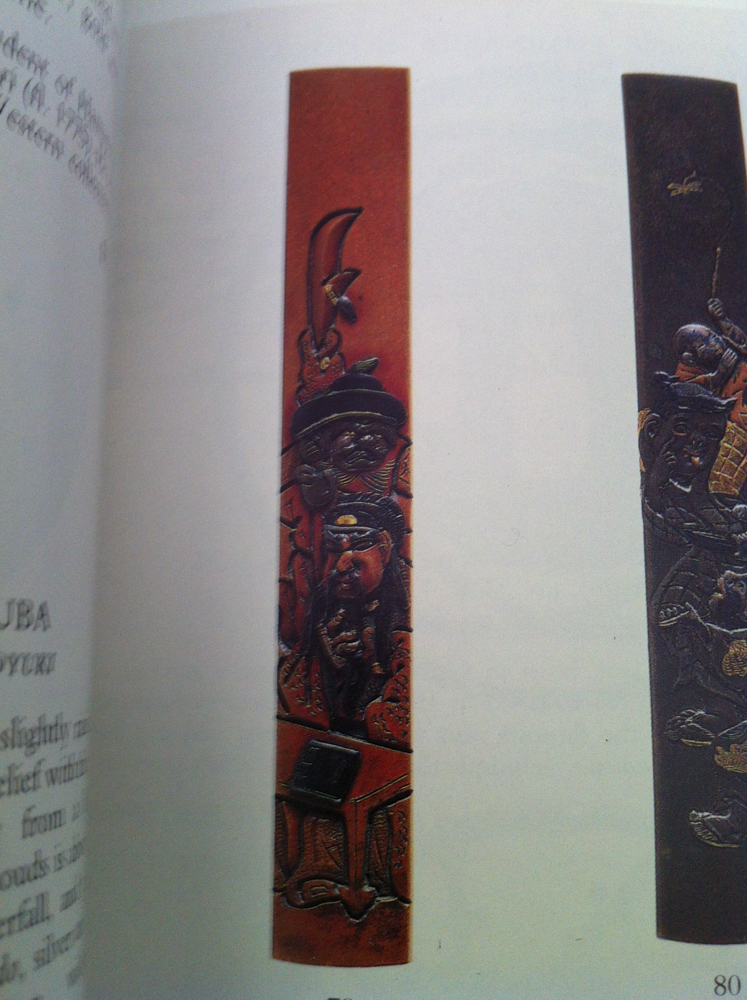
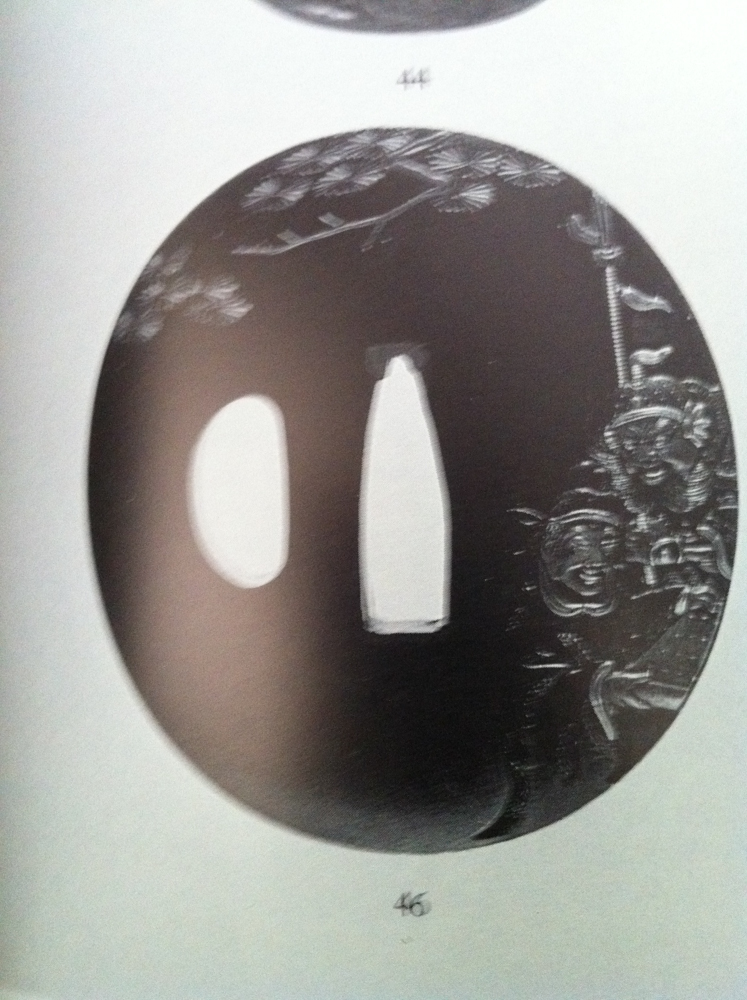
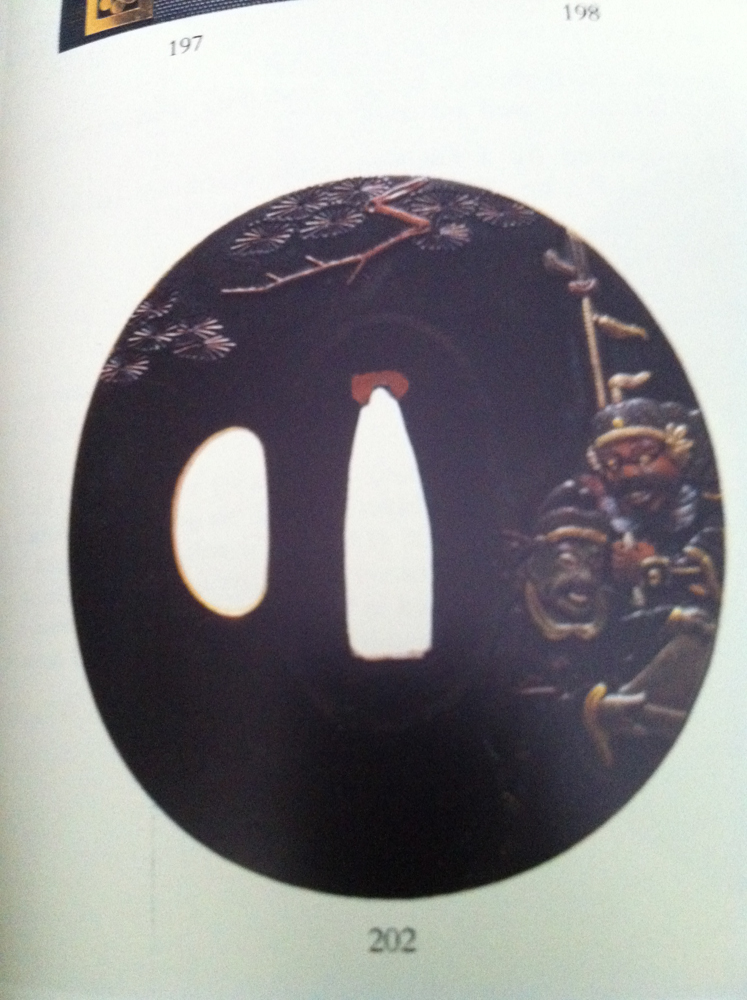
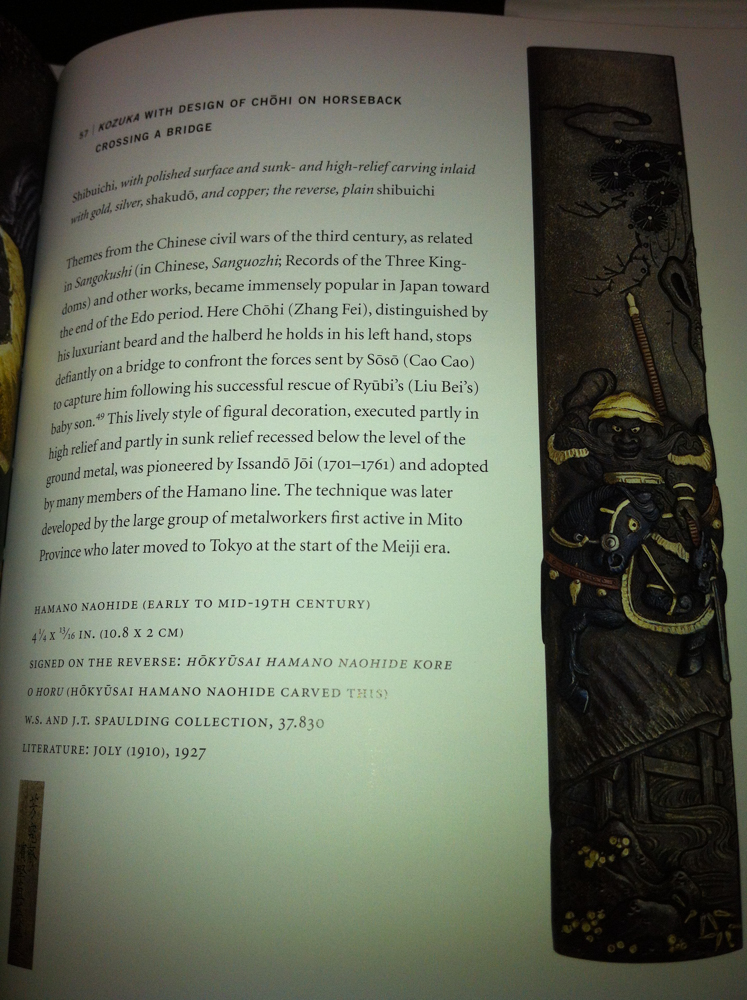
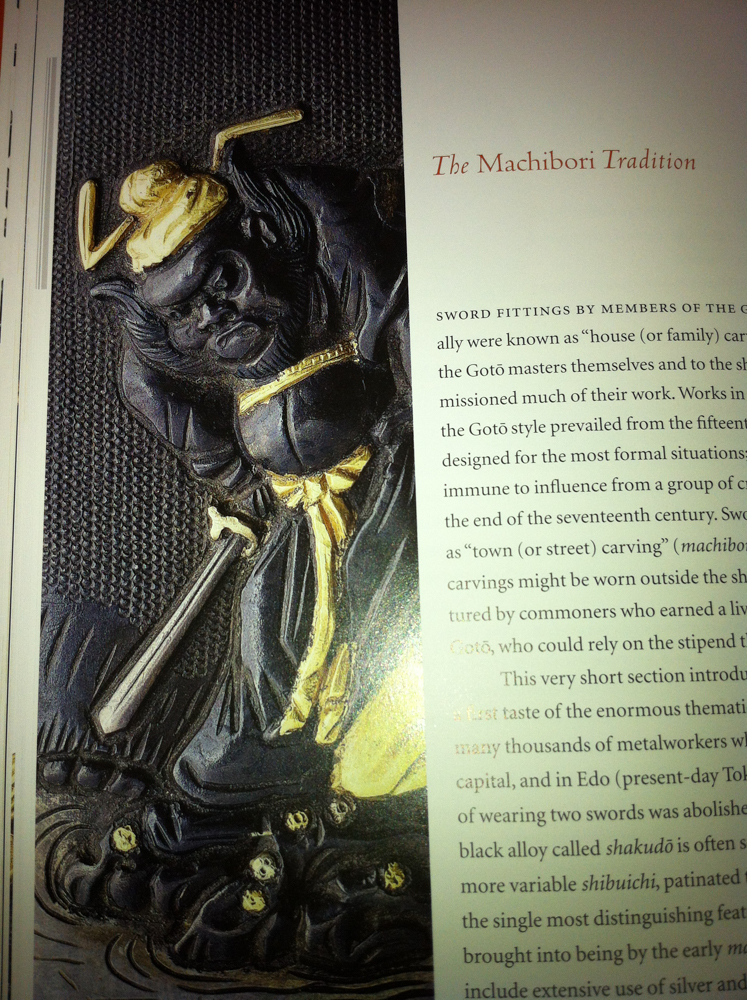
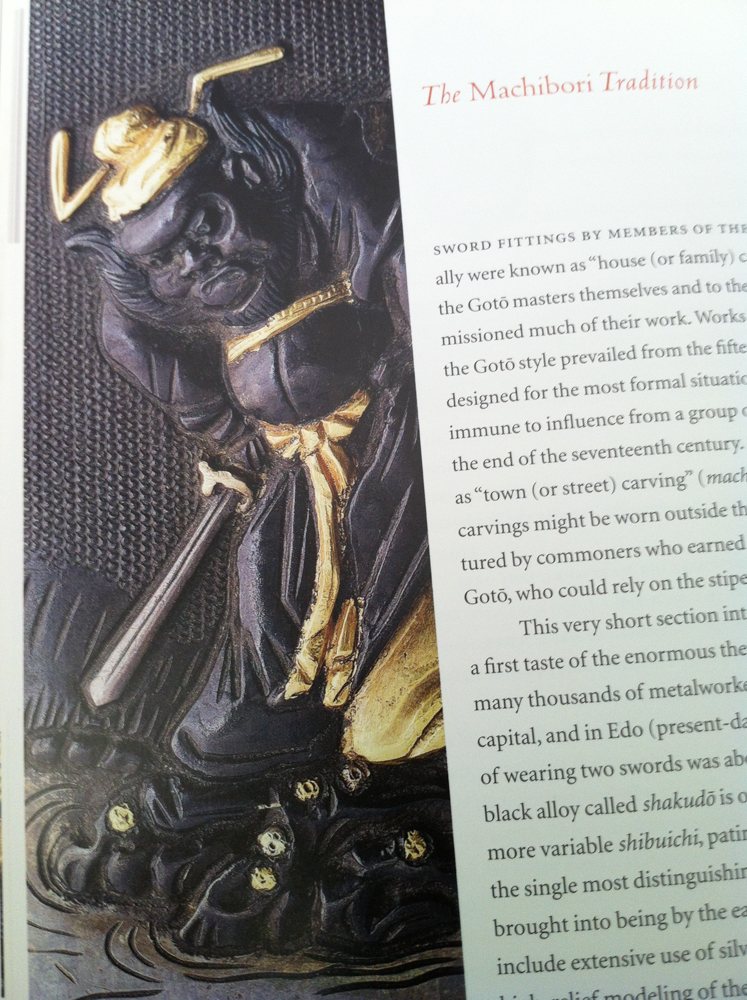
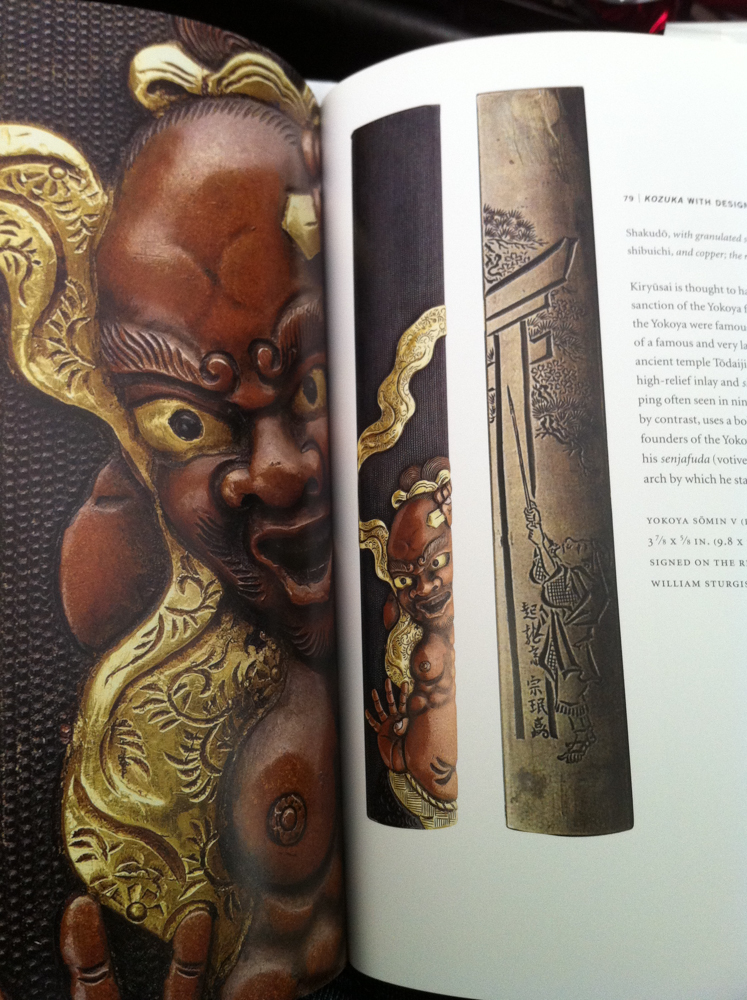
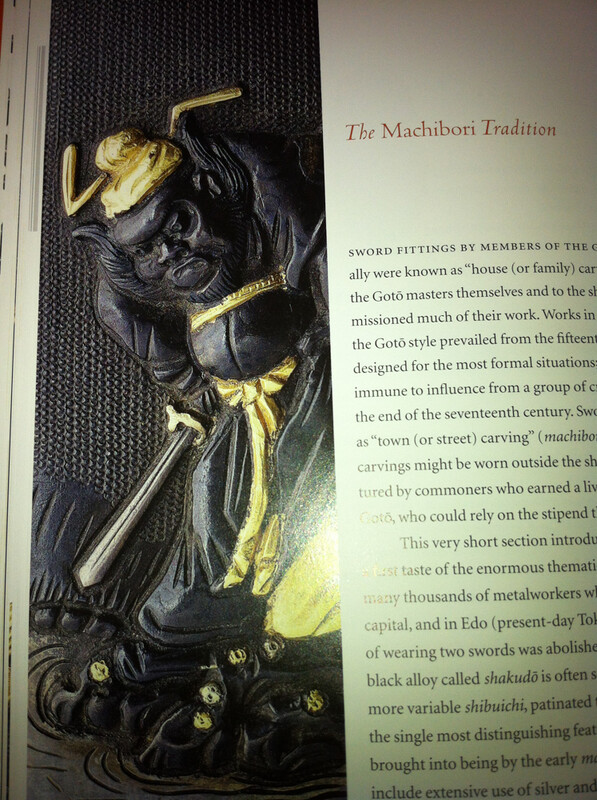
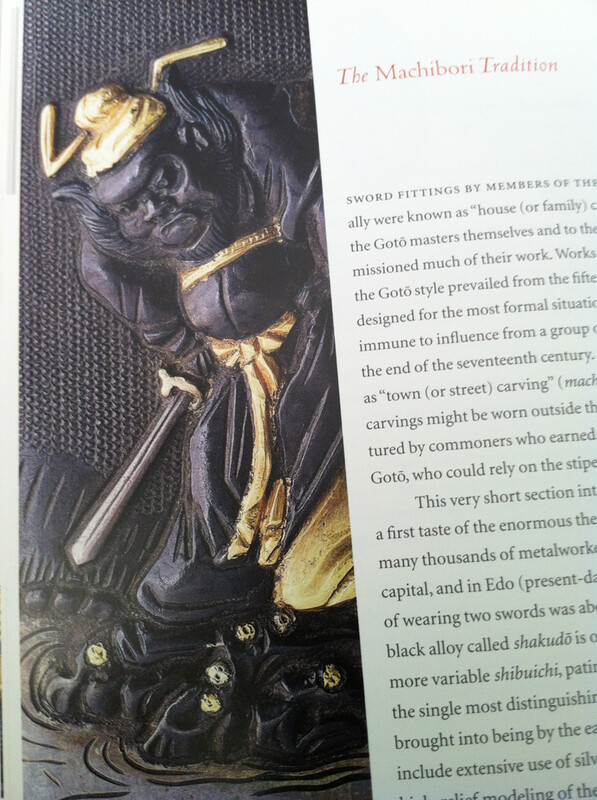
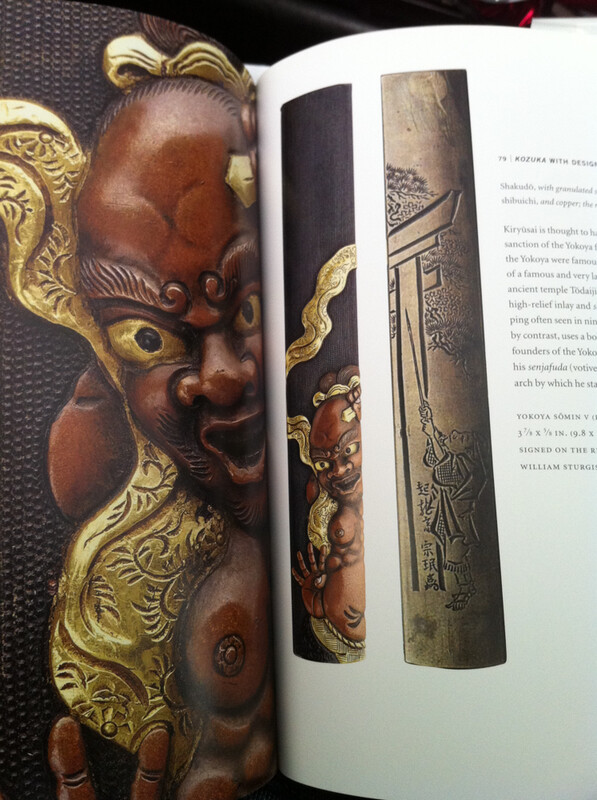
While its been an interesting read, I do feel a comparison of like themes and images should form the start of any meaningful comparisons. I'm hoping someone can post an image of the hamano tsuba by the founder or one of the more skilled heads with an identical theme. I went through 6-7 of the books and catalogs in my growing library this afternoon, looking at the chinese general (vs the tree) and this is what I came up with: Here we go (not all of them are by hamano and I might have just thought there was a similar theme): a yokoya with a bellied figure: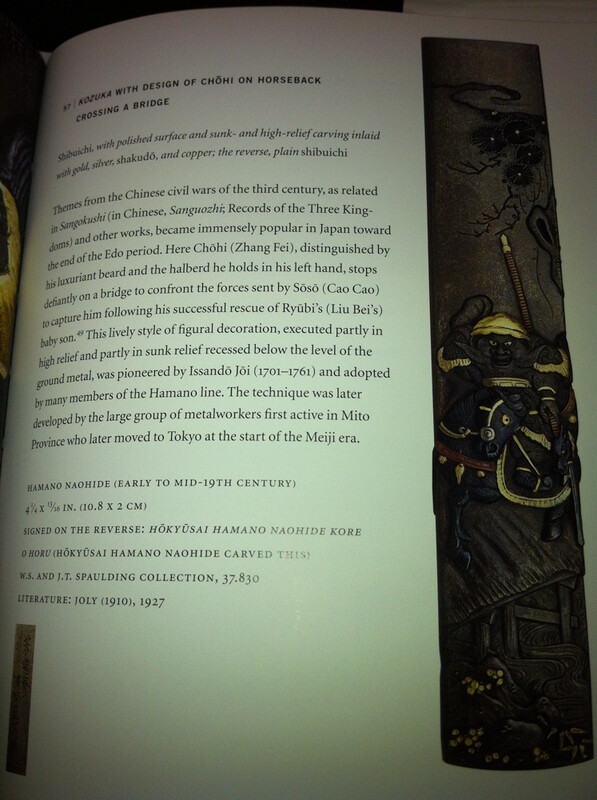
-
The Hamano School and the varieties of expression
kaigunair replied to Ford Hallam's topic in Tosogu
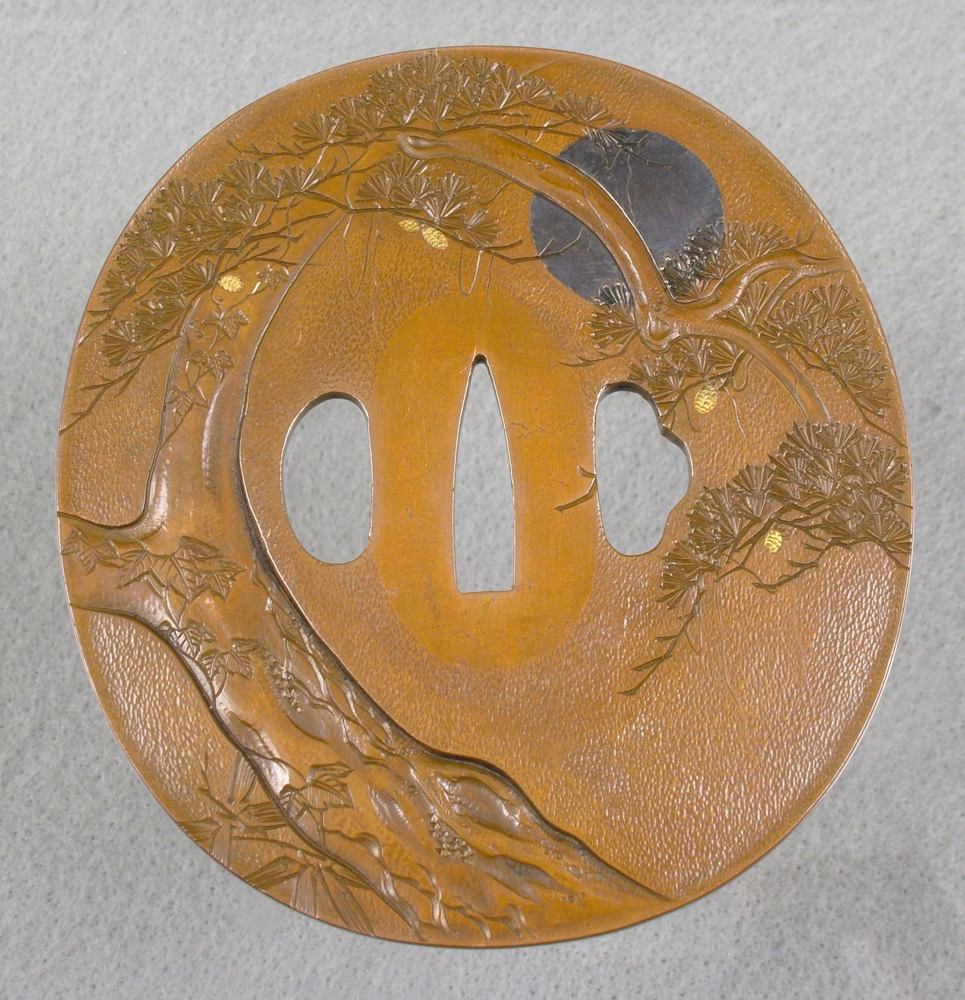
Wow, thanks Ford. That was a very helpful and instructive post on carving, effect, and the mind of the artist. I actually had been comparing "tree trunks" a little while ago, searching for tsubas depicting trees. This was for a purchase I was researching, and which later made. I must say that after reading your post, I went back to my piece and lo and behold, I saw the similar use of line depth and thickness to show shading. That was a real gem of a post, and something I don't think I'd ever find in any of the tosogo books I've been going through. I see how the artist on my tsuba's rendition maybe didn't use it as effectively as the Hamano and Omori school. I still really like the tsuba and his tree, but I understand alittle better now the difference in ability. For reference, here's the tsuba I was studying. It is actually much darker in patina that this photo. The knob at the bottom isn't undercut (darn! ). I think one can see the depth of trunk line on the right side is deeper than the left. I see more of the skill and details on the right branch since there is much more surface work on that branch, but I'm not sure that shows up on the photo. Bravo from a thankful newbie!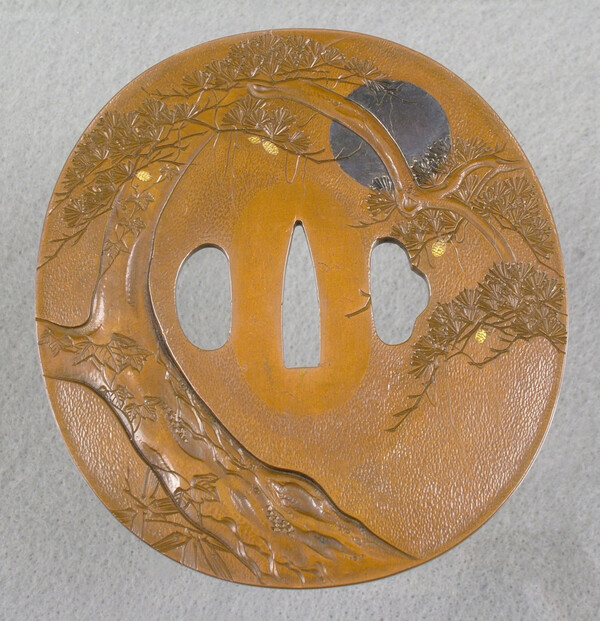
-
The Hamano School and the varieties of expression
kaigunair replied to Ford Hallam's topic in Tosogu
Totally agree that skill alone makes not good art. But making good art does require a high degree of skill. I see both in machibori piece made then & now. I have a problem seeing it in a lot of iron stuff, and I admit that is where my current knowledge gap lies. to all the past and current tosogu whose works I admire.... I was wondering if anyone could point me to the similar (or original) Hamano piece being represented by the Omori piece. I feel like I've seen it somewhere it my books. While I do love those Hamano pieces, would love to try to compare apples to apples...and pretend I am a fabulously wealthy daimyo to whom both artists have laid out their pieces at my feet to judge and determine which one I should buy. Do I go with the Hamano piece or the Omori? Or do I buy both ?