Robin
-
Posts
186 -
Joined
-
Last visited
-
Days Won
3
Content Type
Profiles
Forums
Events
Store
Downloads
Gallery
Everything posted by Robin
-
Gorgeous and so well matched and thought over. Lovely! Robin
-
Another beauty!
-
Bizen-Yaki Chawan By Kaneshige Toyo...another Slideshow
Robin replied to Robin's topic in Other Japanese Arts
Thanks guys, The music I can choose from is all terrible...this was the least annoying tune. -
After the (not so special) Iga-yaki chawan slideshow... Kaneshige Toyo, Bizen-yaki. This was my first chawan. A lucky shot. Hope you like it, thanks for watching Robin
-
Thanks! Yes it's not antique. I just finished a slide show of my Kaneshige Toyo chawan and working on an Ohi-yaki also. Robin
-
I made a small slideshow for the fun of it....first time I ever did that. Photo quality is pretty good, so can watch it full screen. Enjoy...or not. Robin
-
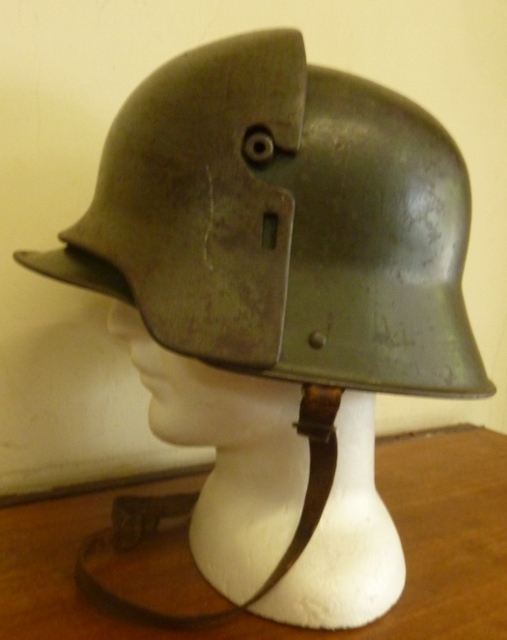
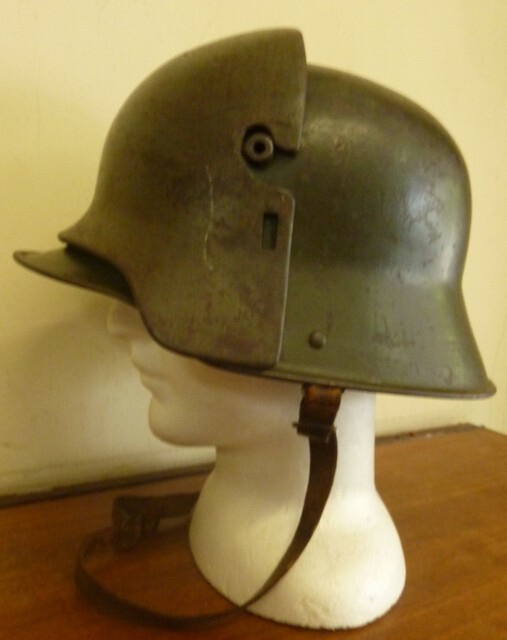
I like it a lot! I love this type of kabuto...it always reminds me of the German WWI helmet with added armor plate. Robin
-
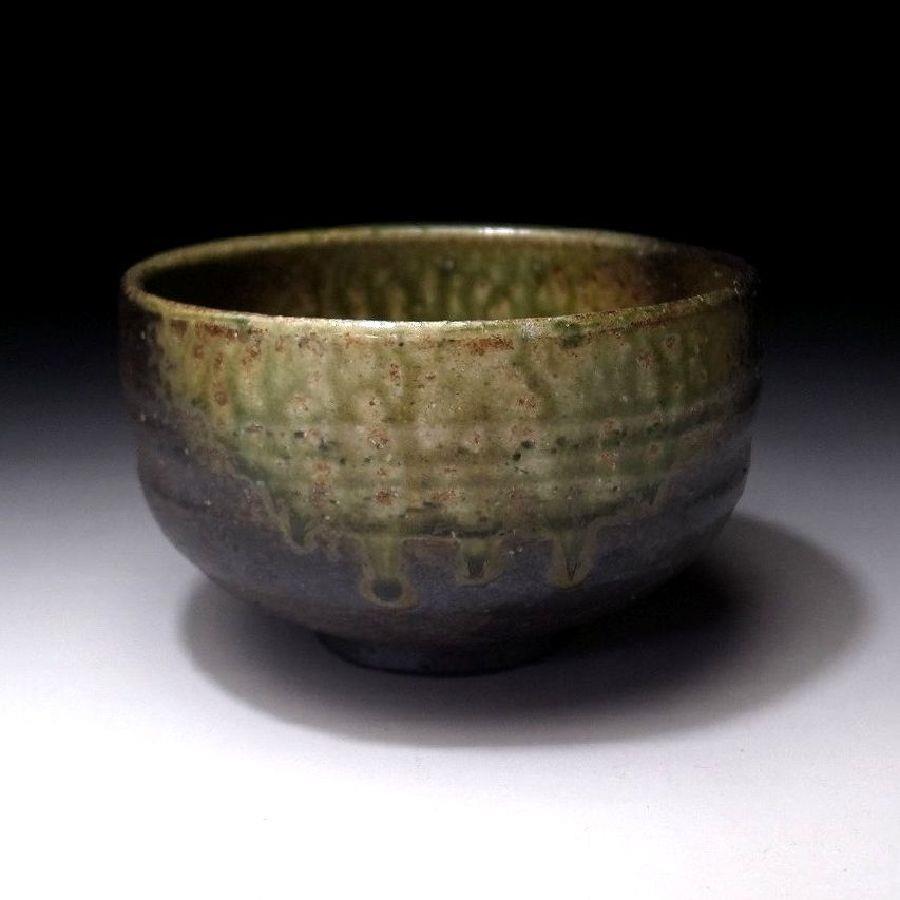
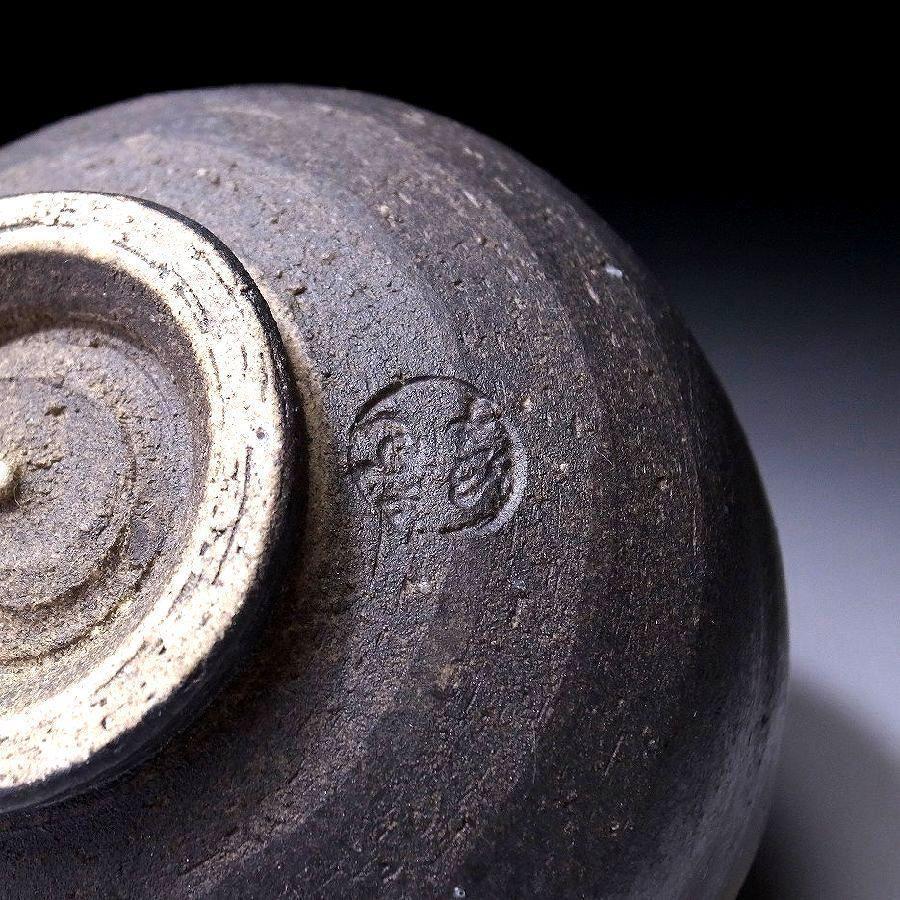
With this I try to say....I'm not sure it is Iga. There was no box. The stamp is very unclear, so it might be upside down. I looked at it both ways...and neither makes much sense to me. It's made on a wheel for sure....the gouged lines are likely done on the wheel also....it's a single gouge like a corkscrew. I don't think the clay itself is dark (see the light underside of the foot)..the surface looks "smoked". The light clay also showes underneath the green glaze, so the blackening happened after the glaze. About the sand grains. The surface is rough with sand grains sticking out and pits where sand grains have been. Robin
-
Thanks Steven! Robin
-
Hello guys, there is this chawan. It's probably not old and nothing special, but this one is sitting on my computer desk in front of me for several weeks now. I don't know why, but I find this one very pleasing to the eye...and it's nice to hold it in my hands also. From Ebay without a box, the seller listed is as an Iga-yaki chawan, about 30 years old. No further information. I'm not sure it's Iga-yaki...it doesn't seem to fit the box for it. I tried to find the kiln or potter mark, but no success. The outside has a fairly rough black charred surface with a green and some red brown ash glaze on the front only. The same ash glaze on the inside facing the one on the outside. The rest of the inside has a black and brown glaze. Some small glass like white dots. It's about 12,5 cm wide, about 7,5 cm tall. 265 grams. Can someone tell me more about this chawan? Again...likely not special in any way or form...but I just love it. Thanks guys, Robin
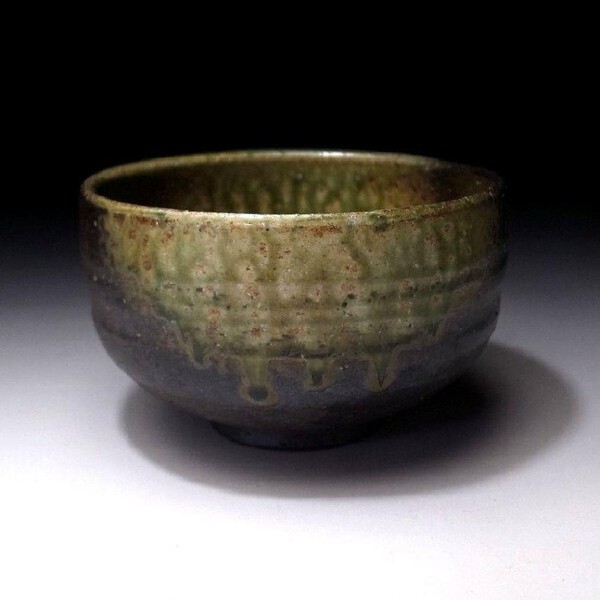
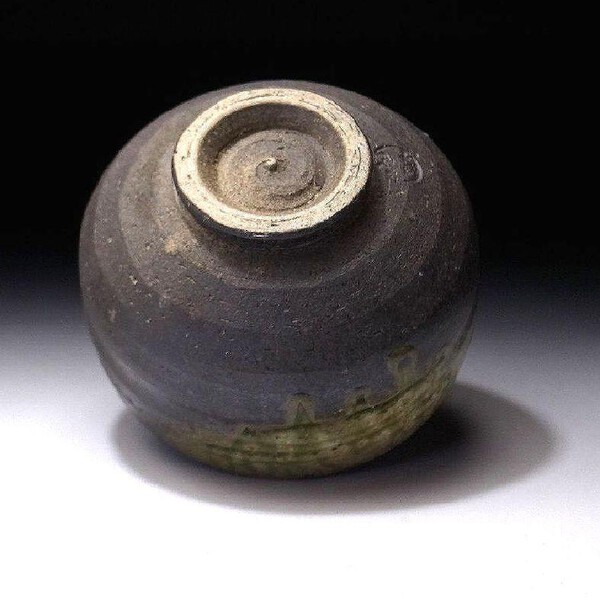


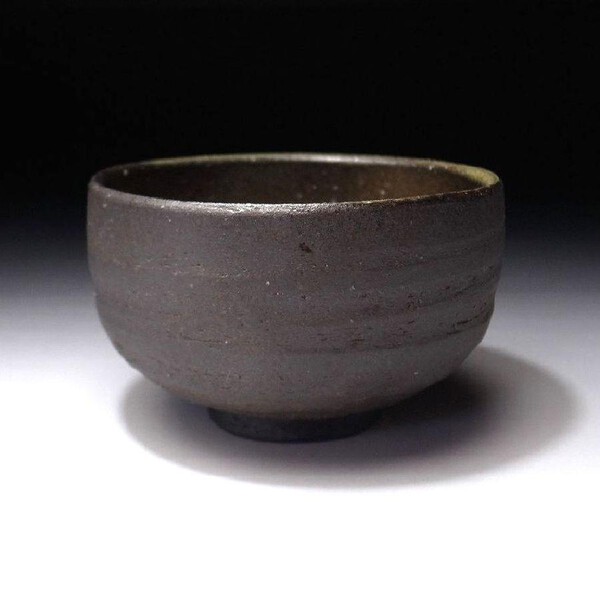
-
Awesome! Thanks a lot guys. Robin
-
Hello gents, Can someone translate the text on the inner part of this inro of mine? Much appreciated. Robin
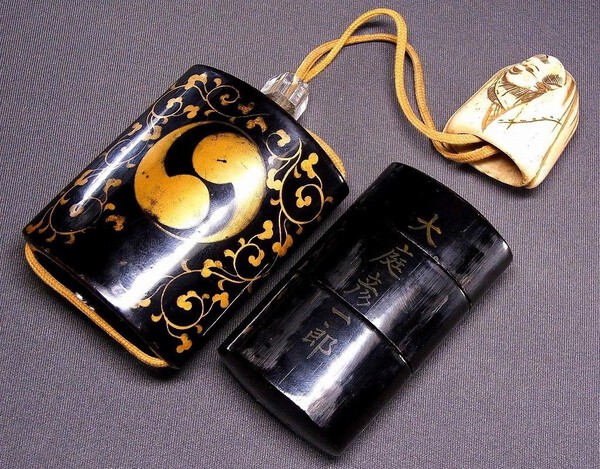
-
Not for me! You own beautiful items and I love to see more of them. Robin
-
Seto Yaki Cha-Ire Tea Container In A Shifuku Bag
Robin replied to Robin's topic in Other Japanese Arts
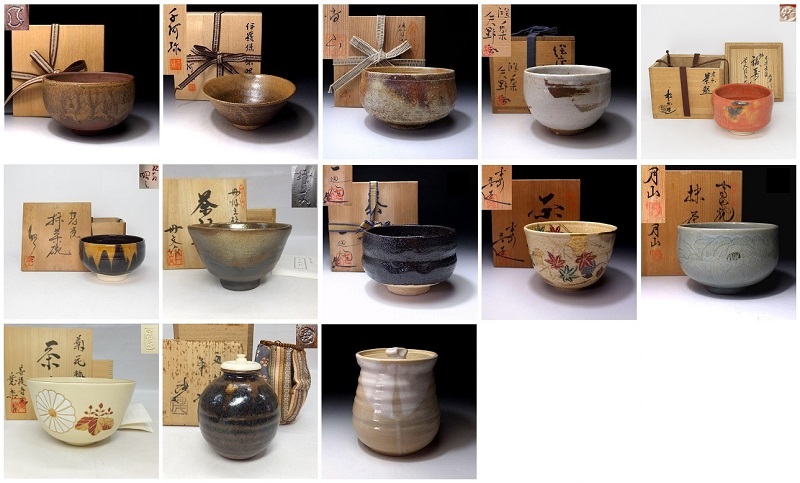
With a rapidly expanding collection of chawan and other tea utensils I like to know more about the tea ceremony. From the Urasenke Foundation... My wife thinks I'm about to lose my mind, but then again...she's used to my seach for "useless knowledge" Robin

-
Beautiful collection of Oribe. This is also a nice video on the subject... Like you, I'm eager to learn more. (so I'm of no use ) Robin
-
Seto Yaki Cha-Ire Tea Container In A Shifuku Bag
Robin replied to Robin's topic in Other Japanese Arts
I like it a lot Bernard! I'm a sucker for Bizen and the lacquer repair is beautiful. A nice touch of wabi-sabi. Robin -
Seto Yaki Cha-Ire Tea Container In A Shifuku Bag
Robin replied to Robin's topic in Other Japanese Arts
That's the description of ivory used on ebay. -
Seto Yaki Cha-Ire Tea Container In A Shifuku Bag
Robin replied to Robin's topic in Other Japanese Arts
Thank you gents, I wasn't clear about the lid of my cha-ire. I refered to cha-ire in general. Mine has a resin lid..that I knew when I bought it and I don't mind. Importing ivory items from outside the EU in the Netherlands is like playing Russian roulette. When customs discover ivory you're in all kinds of trouble. Risking a hefty fine and the item might get confiscated and destroyed. I recently had an inro with a netsuke made of stag antler hold by customs for 2 weeks until they were convinced it wasn't ivory. Robin -
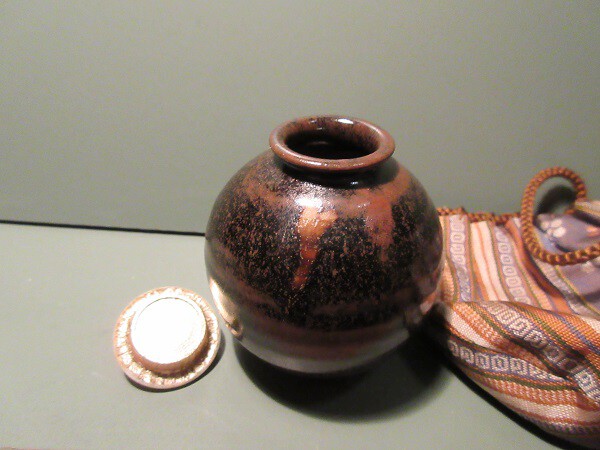
Not the most common type of tea container. It's used for the koicha ("thick tea") tea ceremony. Far more common are the lacquered wooden natsume containers used during the usucha ceremony. Nonetheless...they're still around, super cute and very collectable. About the size of a hand grenade. The lid is made of ivory, bone or resin. The inside of the lid is mostly covered with gold leaf. The silk shifuku. Two different ways to tie the knot. Seto-yaki pottery, about 30 years old, made by Yamaguchi Shigeru. It came in a signed wooden box. It's something different. Hope you like it, Robin


-
Sword Bags - Actually Stopped To Look
Robin replied to Vermithrax16's topic in Auctions and Online Sales or Sellers
Pretty nice sword bag! Perhaps not a men's thing, but keep in mind most sword bags are sold to iaidoka...and women practise iaido also. Robin -
Nice little fun museum you have. Robin
-
Beautiful collection and a great theme! I'm very fond of the burnished unglazed Seto and Bizen-yaki myself, but I also love Raku, Karatsu and some Kyo. Robin

-
Beautiful, thanks for sharing. Robin
-
Thanks guys, I also like #6...it's not much of an eyecatcher, but I find it an interesting tsuba. It's fairly large size, the go stone shape and of course the lined udenuki ana. There are also traces of black (urushi) lacquer on the tsuba, so it had some splendor in it's glory days. #4 kotoji...not kojiri Robin
-
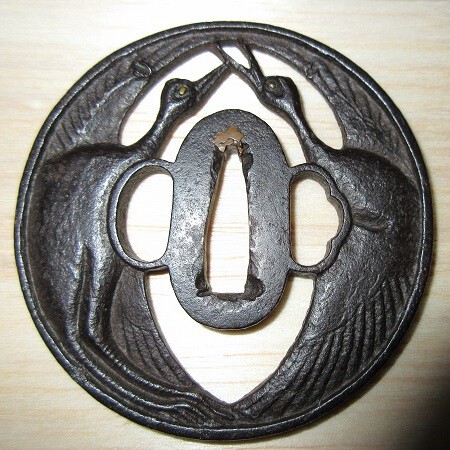
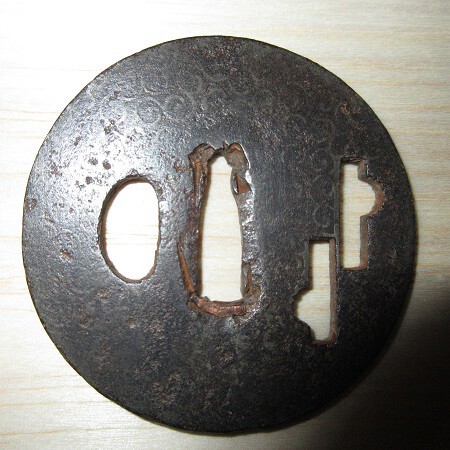
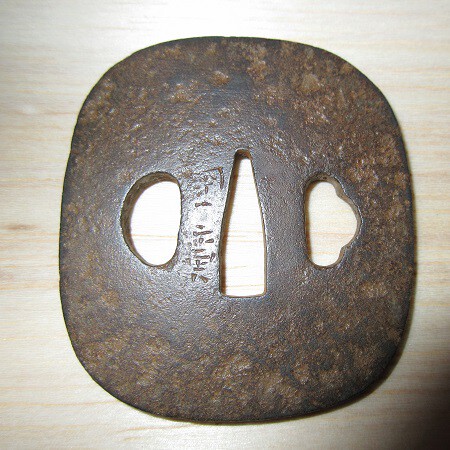
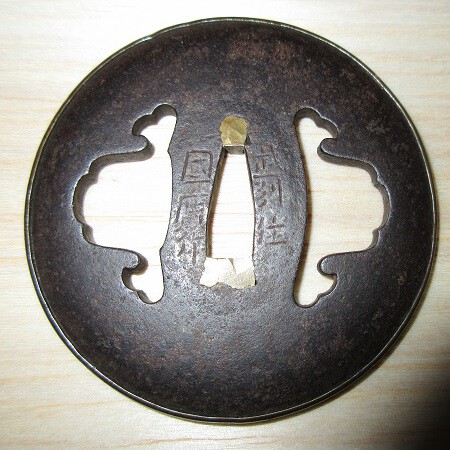
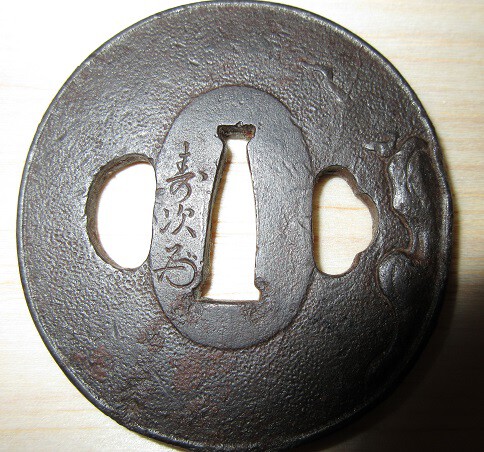
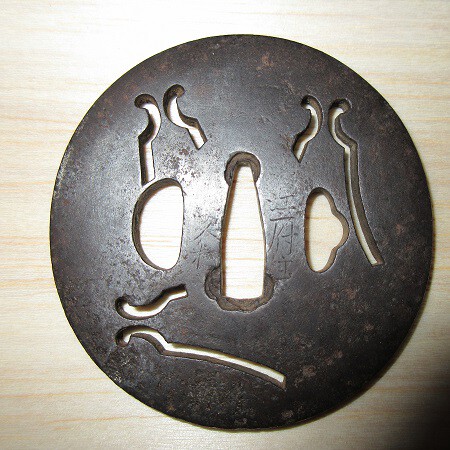
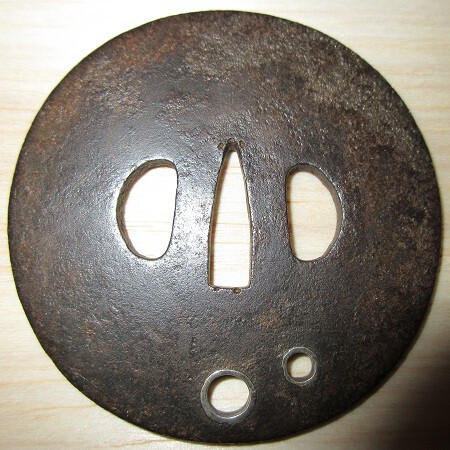
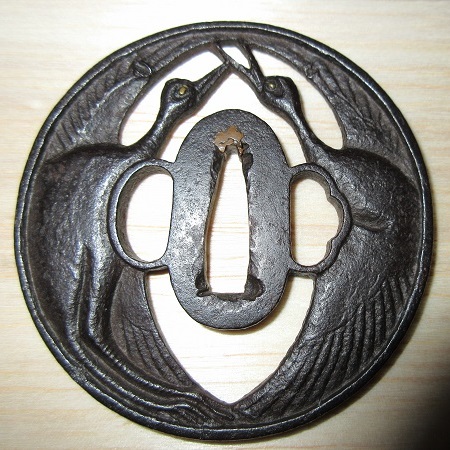
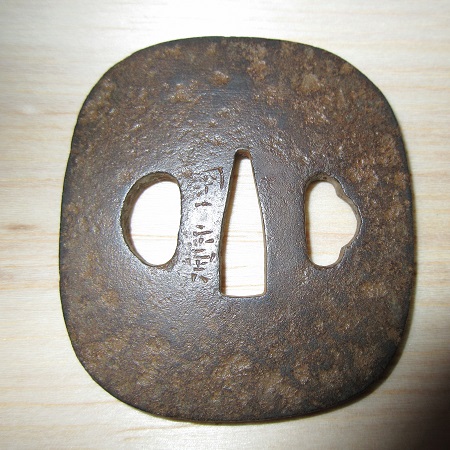
Hello gentlemen, Instead of posting about each and every new tsuba when I get it....I saved some and show them as a batch (not to spam the forum). I still have problems assigning tsuba's to a school and determining the period/age. I'm learning, but not there yet, so additional information is appreciated. Nothing shockingly exciting, but I like to start low end....and step up a bit when I learn more about the subject. Thanks for watching and I look forward to learn more about them. Robin 1. Plain naga maru gata waki tsuba. signed(?). 7,1 cm, 6,5 cm, 4 mm. 2. Waki tsuba, grass script mei(?), clifside with a branch. 6,8 cm, 6,5 cm, 4,5 mm 3. Tsuba with faint swirls on the surface, unknown sukashi. round 7,1 cm, 3,5 mm No idea what the sukashi can be. Note the jagged edge of the half round cut out parts of the sukashi. 4. Katana tsuba with kojiri sukashi, faint mei(?). 7,6 cm, 7,4 cm, 4,5 mm to 3,5 mm on the edge. 5. Katana tsuba with silver fukurin, kabuto sukashi, mei: Bushu Ju Kunihiro Saku(?) round 7,9 cm, 4,5 mm to 2,5 mm fukurin). At some point in it's life this tsuba received new brass sekigane, but not adjusted to fit a blade. 6. Large plain katana tsuba with silver lined udenuki ana. round 8,6 cm, 5 mm to 2 mm on the edge. 7. Katana tsuba, cranes with brass eyes. 8 cm, 7,9 cm 4,5 mm