
PNSSHOGUN
-
Posts
6,033 -
Joined
-
Last visited
-
Days Won
49
Content Type
Profiles
Forums
Events
Store
Downloads
Gallery
Everything posted by PNSSHOGUN
-
Thank you, as you can see the casting quality is lacking and detail on the sides has been completely abandoned. Likely late 1944 or 1945 production.
-
Inherited Sword Captured in Burma During WW2: Looking to Learn More
PNSSHOGUN replied to CarstairsCowboy's topic in Nihonto
Hello Connor, this appears to be a genuine Japanese sword. The sword dates to the 1700's and the maker is Ason Yasuyo, whether the signature is authentic is another matter. The fittings are traditional Samurai style that have been modified for the war. If you know about the history of how your grandfather took the sword in Burma, I would type it all out and keep it with the sword as a nice bit of family history. -
Some closer pictures of the Tsuka may help, the casting quality fell right off by 1944-45.
-
Welcome Connor, given it was acquired in Burma I would hazard a guess it will be in Military mountings. If you post it in the section you can kill two birds with one stone: https://www.militaria.co.za/nmb/forum/45-military-swords-of-Japan/
-
Adam Savage checks out a sword
PNSSHOGUN replied to Brian's topic in General Nihonto Related Discussion
If memory serves me right these were purposefully cut at that angle to allow a slight tension to avoid falling out. It would also allow easier removal as the handles sit further away from the Fuchi. You will find this detail on many good quality Koshirae with Kozuka. -
Is the blade made in Bizen Den?
-
Sharing a sword I recently acquired
PNSSHOGUN replied to Nicholas's topic in Military Swords of Japan
Mon in this case refers to the Akihide trained group of smiths. -
Thoughts on this Kanemitsu Kaigunto? Gimei?
PNSSHOGUN replied to Kaigunto230's topic in Military Swords of Japan
At the end of the day it's a real Japanese sword with decent looking Kai Gunto Koshirae, but if you look closer the cracks start to show. There are a number of dealers from Japan offering these sorts of pieces, the prices are certainly low but all sorts of skulduggery may have been applied to them. The polish is rather poor and typical for rush jobs that photograph well but obscure details The blade appears tired and has Ware (flaws) showing all over It may be a symptom of the polish but the Hamon appears rather weak Looking closer at the fittings, they may have been re-gilt -
You're leaping to some pretty tenuous conclusions without demonstrating basic knowledge about Japanese swords.
-
Thoughts on this Kanemitsu Kaigunto? Gimei?
PNSSHOGUN replied to Kaigunto230's topic in Military Swords of Japan
Many of the swords listed have some pretty significant issues, with the prices reflecting that. The mounts aren't too bad on this but the blade is a mess. -
Sharing a sword I recently acquired
PNSSHOGUN replied to Nicholas's topic in Military Swords of Japan
Likely one of the many Tosho from the Akihide Mon. -
Adam Savage checks out a sword
PNSSHOGUN replied to Brian's topic in General Nihonto Related Discussion
Looked to be classic Bizen Yokoyama Sukesada. -
Were these photos taken after a polish?
-
Rather unique, at a guess something thrown together for field service during the Meiji period.
-
Would welcome any further opinions on the third character, perhaps @Nobody or @SteveM could lend their expertise?
-
There is nothing here even remotely resembling a Yasukuni-To, clearly an oil tempered junker.
-
From the limited pictures of the Hamon it has a twinge of Ishido school, perhaps the cut off character could be the top of "是" for Korekazu?
-
Thank you Piers, perhaps the first obscured character is Fuji 藤?
-
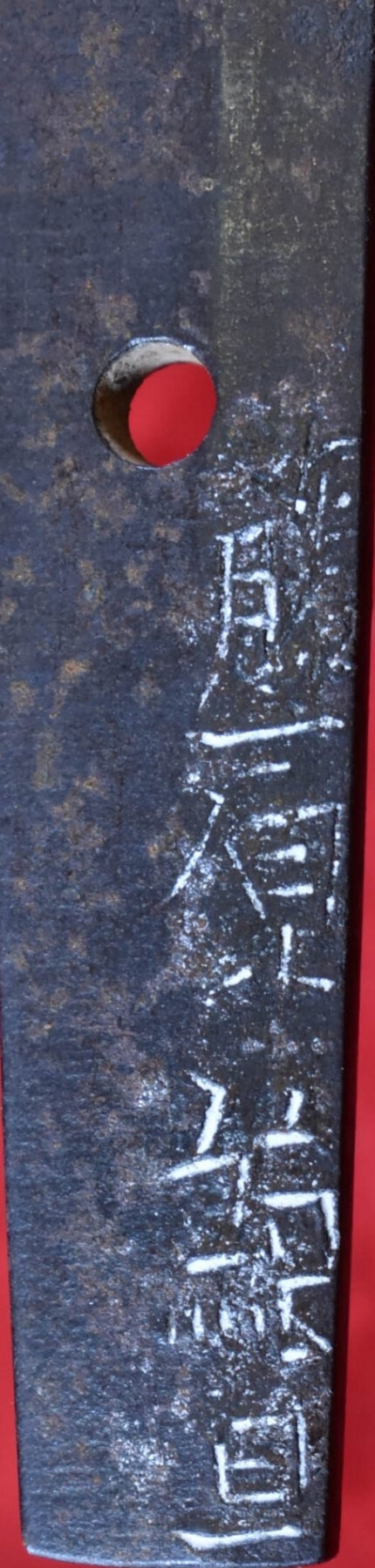
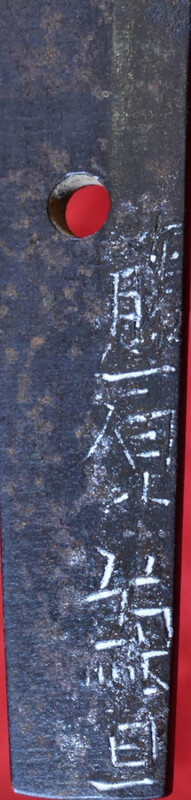
My rudimentary skills are no match for this apart from the last character, could a kind soul please help with the first three Kanji?
-
Horimono can be added for a variety of reasons, some less noble than others. Poor quality Horimono are an easy fix for unsightly flaws or to simply "tart up" an otherwise unremarkable blade. When done correctly Horimono are absolutely beautiful and greatly enhance a sword.
-
Well that's certainly fine encouragement for other comments from members here. My apologies for attempting to clarify reliable information, rather than furthering inane tabloid level rumours about well respected martial artists and Tosho.
-
Some of the information presented in the book 'Samurai Swords for the Material Battle' seems spurious at best. Yoshichika was one of a few Tosho that made swords for Emperor Hirohito's Ascension Ceremony, there were worn (or given as gifts) to various nobles or dignitaries present at the ceremony. In regards to Nakayama Hakudo, where have you read about this supposed relationship with Tosho in exchange for free swords? He was a highly respected instructor and Tameshi-Shi who worked closely with numerous Tosho including Hayama Enshin, Watanabe Kanenaga, Kojima Kanemichi, and Kurihara Akihide, to improve their sharpness and strength for cutting. Boiling these relationships down to something so mundane is rather tactless.
-
Still need help. Military WW2 sword, Japanese
PNSSHOGUN replied to Carlyl3's topic in Military Swords of Japan
For active rust on the Nakago best to stabilise with a light gun oil and GENTLY rub down with a cotton rag until no more red rust appears. Please do not attempt anything more to these, as you will quickly ruin historical value. Depending on where this museum is located there may be someone close by that can provide advice. -
Family Heirloom Koto Blade WW2 Naval Wakizashi
PNSSHOGUN replied to Rhizosphere's topic in General Nihonto Related Discussion
As you've found out it's all too easy to spend large sums on very little. Invest in some patience now and decide what really interests you. -
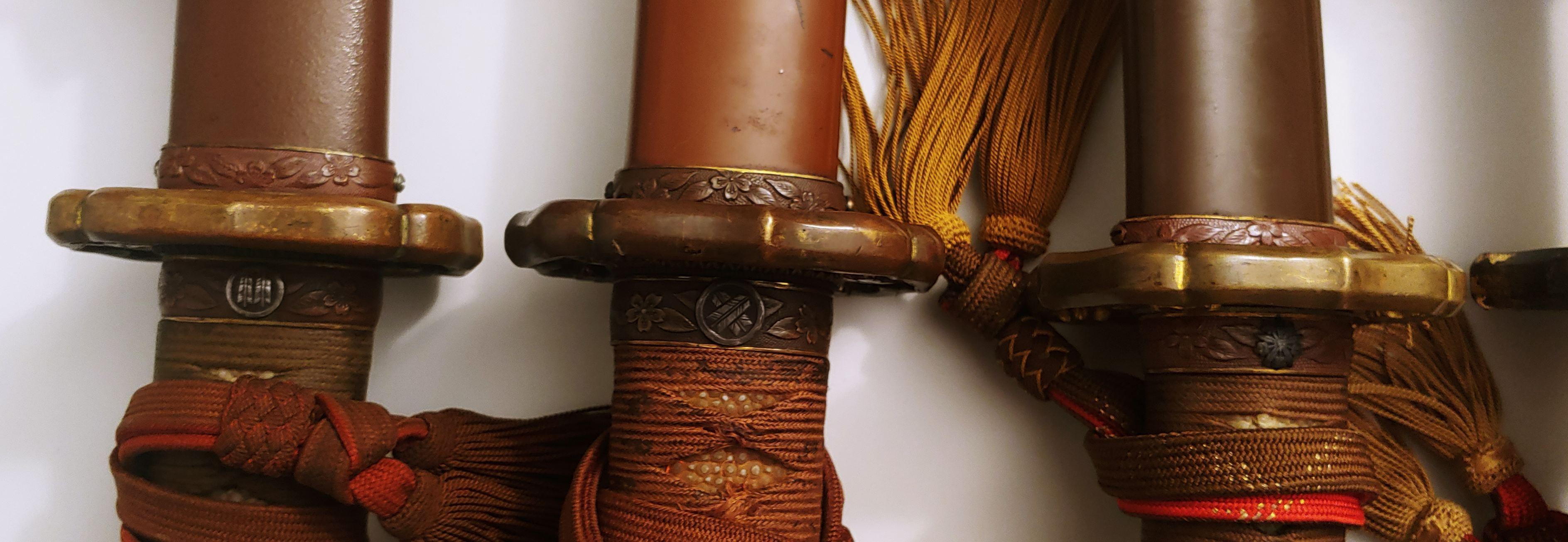
Navy Kyu Gunto Koshirae with Mon on the screw type Mekugi, typically seen on Naval Dirks: