BANGBANGSAN
-
Posts
1,654 -
Joined
-
Last visited
-
Days Won
10
Content Type
Profiles
Forums
Events
Store
Downloads
Gallery
Everything posted by BANGBANGSAN
-
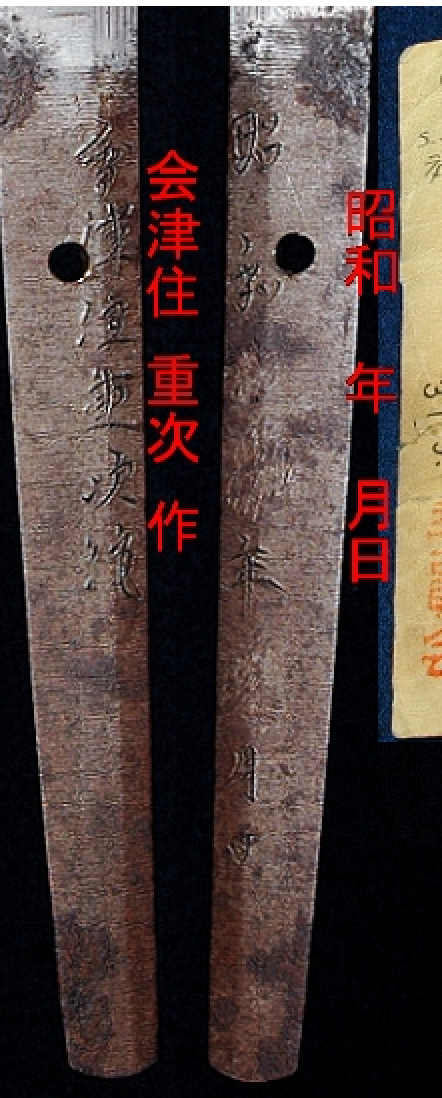
Here's the full story of Shigefusa versus Shigetsugu By Nick Komiya I finally read the full thread in the Nihonto Message Board and now understand that the question was not merely how to read the Mei on the sword, but to untangle the jumbled use of the names Shigefusa 重房 and Shigetsugu 重次. I already explained that Shigetsugu was a member of the offshoot line of the Shigefusa line, but the story I gave you was a bit simplified, so I’ll now give you the full story. Wakabayashi Inosuke, the founder of the Shigefusa mei, had a son named Daisuke 大助, and Daisuke had a daughter named Sato and a son named Daihachi 大八, but Daisuke died when Daihachi was still only 14, thus too young to carry on the artisan name of Shigefusa. At the time of this family crisis, the Wakabayashi family had an apprentice named Morizō 守蔵 (I think the family name was Nakamura), who was already a fully trained smith, but who was there to learn methods of other schools. So, the Wakabayashi family asked Morizō to marry Sato and also to train the young Daihachi. Thus, Morizō took on the Wakabayashi 若林 name. Around 1914, when Daihachi was fully capable of carrying on the Shigefusa name, Morizō considered his duty for the Wakabayashi family done and moved to Tochigi Prefecture 栃木県 as an offshoot of the Wakabayashi family. But again in 1926, another crisis arose when Daihachi at the height of his career, prematurely died at the age of 41, leaving behind a son Noboru, only 14 years old, once again too young to take over the family business. Asking Morizō to rejoin the main Wakabayashi line was considered, but at that time, he was already well past his prime at 60 years of age, so his 30-year-old son, Wakabayashi Shigetsugu was sent to Aizu 会津 to carry on the Shigefusa line instead. And finally, after Noboru, the son of the main Wakabayashi line had fully reached adulthood, in around 1937, Shigetsugu and his family of 5 moved to Manchuria to work for the South Manchuria Railway Company (SMR), where he launched the Kōa Isshin 興亞一心 swords. In 1941, the family returned to Japan and settled again in Aizu, where he was later accredited as Rikugun Jumei Tosho (army licensed sword smith). Shigetsugu had also signed his earlier commercial work as Shigefusa, but registered as Wakabayashi Shigetsugu in the RJT program. Even so, he made a good number of swords for the black market to be sold as antiques, in which he used the generations old mei of Shigefusa. Shigetsugu and his father Morizō, both had to stand in for the main branch of the Wakabayashi family, when the inheritor of the family name was too young to inherit the business. Thus, he probably saw himself as a “stand in” and refrained from using the Shigefusa name as a RJT smith.
-
 筑紫/氏 子 Chikushiko 則正 Norimasa Both 紫 and 氏 share the same on‑yomi reading shi.
 -
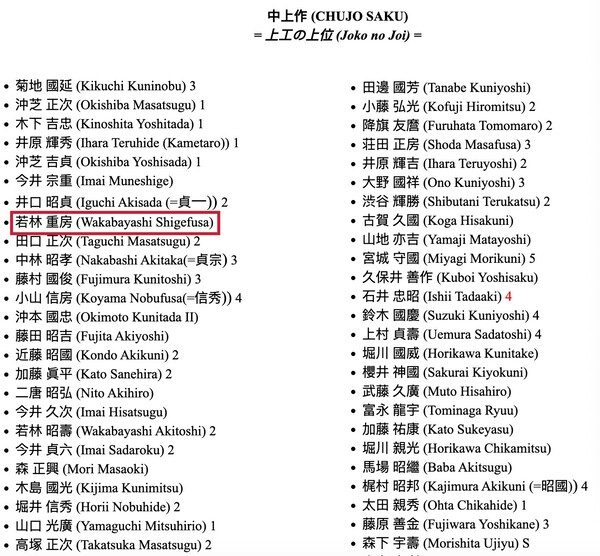
Bruce: I think you will still have a headache. He rigistered as Wakabayashi Shigetsugu (若林重次) on the As seen in the Rikugun Jumei Tosho Swordsmiths Known From Literature Sources list, Row 3, Number 35. https://japaneseswordindex.com/gendai2.htm However, in the WWII Japanese Swordsmiths Ranking, he is listed as Wakabayashi Shigefusa (若林重房) under Chūjō‑saku (中上作) = Jōkō no Jōi (上工の上位). https://japaneseswordindex.com/tosho.htm

-
That was Kojima Shigefusa 小島重房 from Tokushima 德島。Not Wakabayashi Shigefusa 若林重房 from Aizu 會津. SHIGEFUSA (重房), Shōwa (昭和, 1926-1989), Tokushima – “Zuihō Shigefusa” (瑞峯重房), real name Kojima Kameta (小島亀太), born 1887, he used the gō Genbusai (玄武斎) and was the son of Kojima Kunitomo (国友), he founded the forge Genbusai Tantō Jo (玄武斎鍛刀所) and also worked as rikugun-jumei-tōshō, kihin no retsu (Akihide)
-
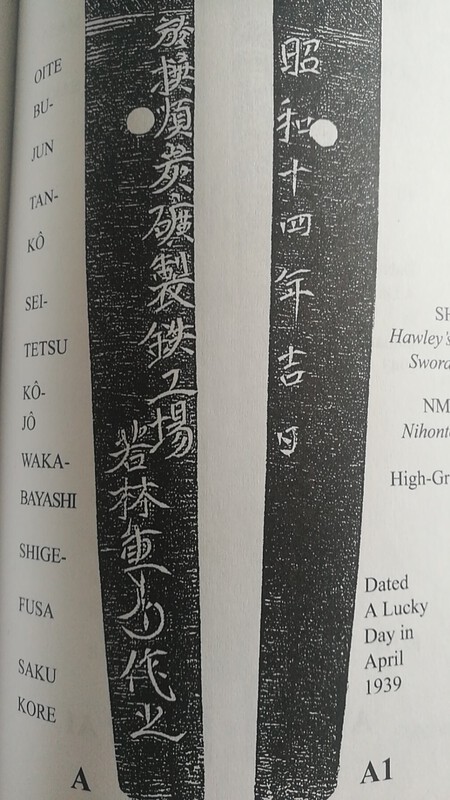
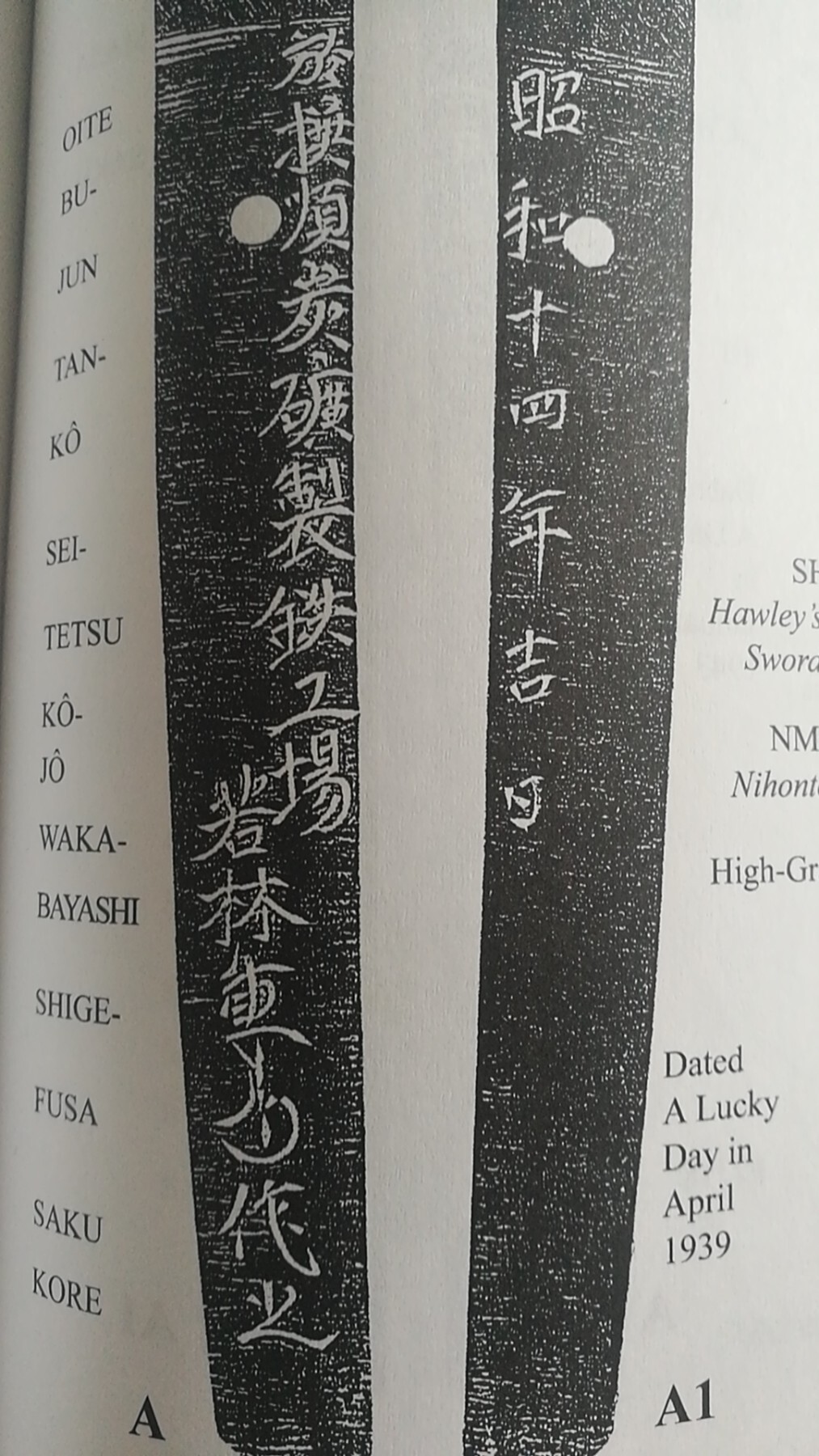
According to Morinobu 八州延 (the youngest son of Shigetsugu 重次): His father Shigetsugu 重次 , to whom this lineage traces, also forged swords and likewise carved the signature Shigefusa” 重房 onto his blades. A few Mantetsu blades bear the Wakabayashi Shigefusa (若林重房) mei. Shigetsugu (重次) was employed by Mantetsu from 1937 to 1941. The mei example shown in Slough’s book reading “At Fushun Coal‑Mine Factory, Wakabayashi Shigefusa saku kore” (於撫順炭礦工場 若林重房作之) is also his work. I believe you can now see how Shigetsugu 重次 and Shigefusa 重房 are connected.


-
The Shigefusa (重房) lineage is somewhat complex and gives me a headache. Below is their family chart. 1st‑generation Shigefusa: Wakabayashi Aemon (若林安右衛門) (d. 1830) 2nd‑generation Shigefusa: Wakabayashi Inokichi (若林豬之吉) (1824‑1875), second son of Aemon (安右衛門) 3rd‑generation Shigefusa: Wakabayashi Daisuke (若林大助) (1850‑1891) 4th‑generation Shigefusa: Wakabayashi Morizō (若林守藏) (1868‑1942), brother‑in‑law of Daihachi (大八) 5th‑generation Shigefusa: Wakabayashi Daihachi (若林大八) (1879‑1926), eldest son of Daisuke (大助) 6th‑generation Shigefusa: Wakabayashi Shigetsugu (若林重次), real name Ichiji (壹次) (1879‑1960), eldest son of Morizō (守藏) 7th‑generation Shigefusa: Wakabayashi Noboru (若林昇) (1914‑1944, KIA on Iwo Jima), eldest son of Daihachi (大八) 8th‑generation Shigefusa: Wakabayashi Morinobu (若林守延) (1926‑1982), eldest son of Shigetsugu (重次) The direct male heirs of the main Wakabayashi family tended to die relatively young. In contrast, Shigetsugu (重次) and Morinobu (守延), from the lineage of the son‑in‑law Morizō (守藏), enjoyed comparatively long lives.
-
As previously noted on page 11 of Mantetsu‑sword thread, he was the 6th‑generation Shigefusa 重房, also signed as Shigefusa. Aizu 會津 -historical region in western Fukushima Prefecture 福島縣, Tohoku (Northeast Japan). Main city is Aizu‑Wakamatsu 會津 若松 once the seat of Aizu Domain, famed for its long sword‑smithing tradition. From Sesko&Slough SHIGEFUSA (重房), Shōwa (昭和, 1926-1989), Fukushima – “Shigefusa” (重房), “Aizu-jū Wakabahashi Shigefusa saku” (会津住若林重房作), family name Wakabayashi (若林), the Wakabayashi Shigefusa lineage was one of six that made swords on a hereditary basis for the Aizu fief, buth with the Meiji Restoration and the ban on wearing swords, they had to give up sword making and became manufacturers of carpenter and agricultural tools, although playing an important role in the rise and spreading of the local cutlery production, this Shigefusa made again swords and worked as a guntō smith, jōko no jōi (Akihide)
-
The complete chart is not present in the book.
-
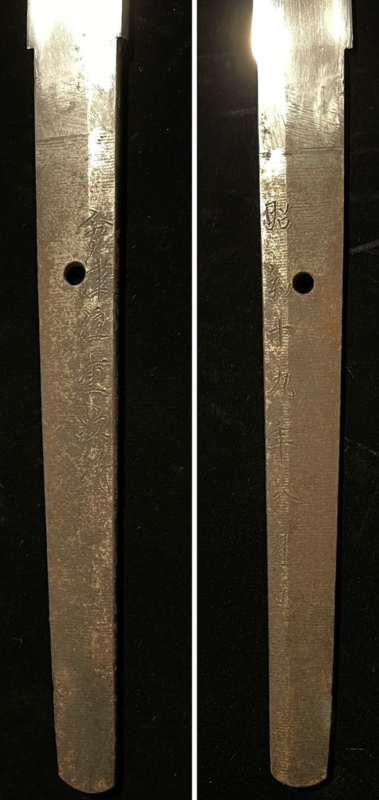
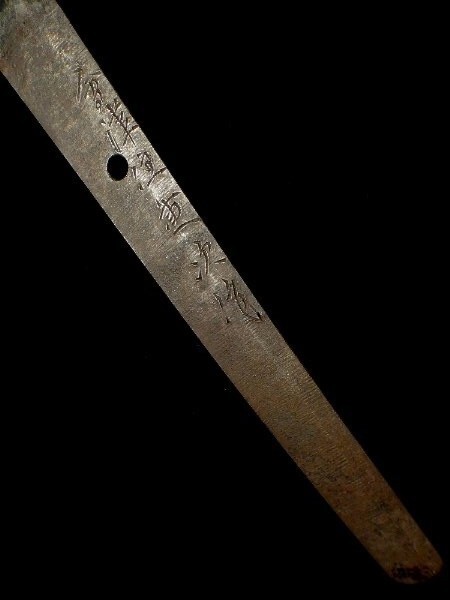
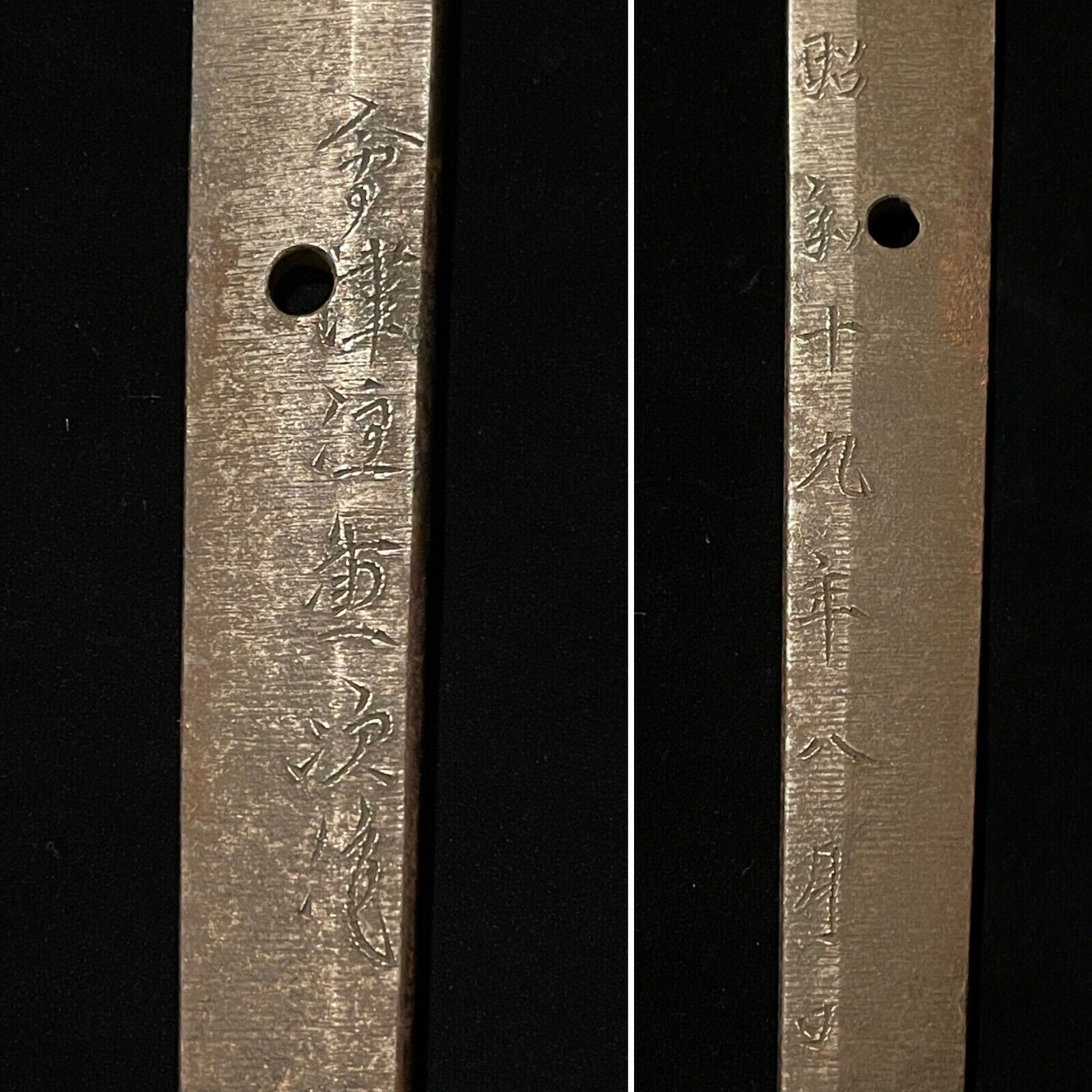
4 Shigetsugu (會津住重次作 Aizu Ju Shigetsugu Saku )signed blades in my records: 1.Date marking ground‑off, can't see the star stamp / serial number on tang. 2.Dated Aug Shōwa 19, can't see the star stamp / serial number on tang. 3.Dated Sep Shōwa 19, can't see the star stamp / serial number on tang. 4.Dated Mar Shōwa 19, has star stamp, no full‑tang photos; serial number status unknown.




-
In my opinion, the serial number should be stamped on the tang.
-
@Bruce Pennington This table is the July 19, 1942 inspection report of unfinished blades sent to the Army. Shigetsugu 重次 submitted 4 blades(#251-254) .#253&254 passed inspection, 251&252failed, The two blades that passed inspection would receive the star stamp. Blades 255 onward were forged by Akimasa 昭正.

-
Emergency Late War Officer Gunto
BANGBANGSAN replied to Bruce Pennington's topic in Military Swords of Japan
Based on its features, this should be a simplified‑variant gunto for the puppet troops of North China. -
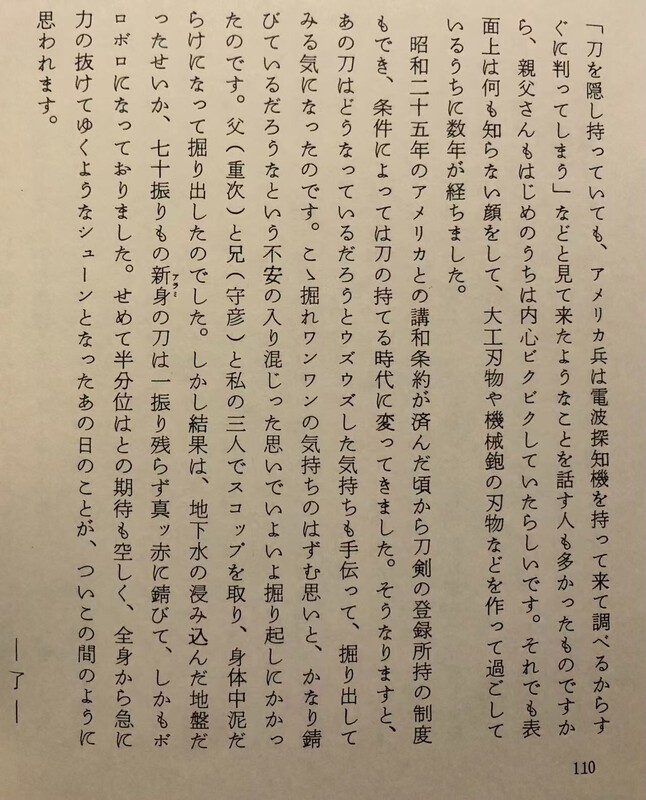
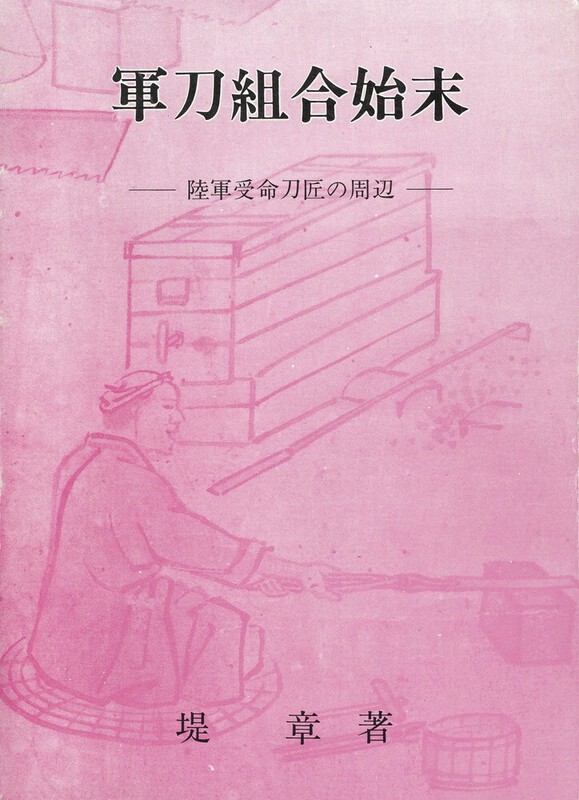
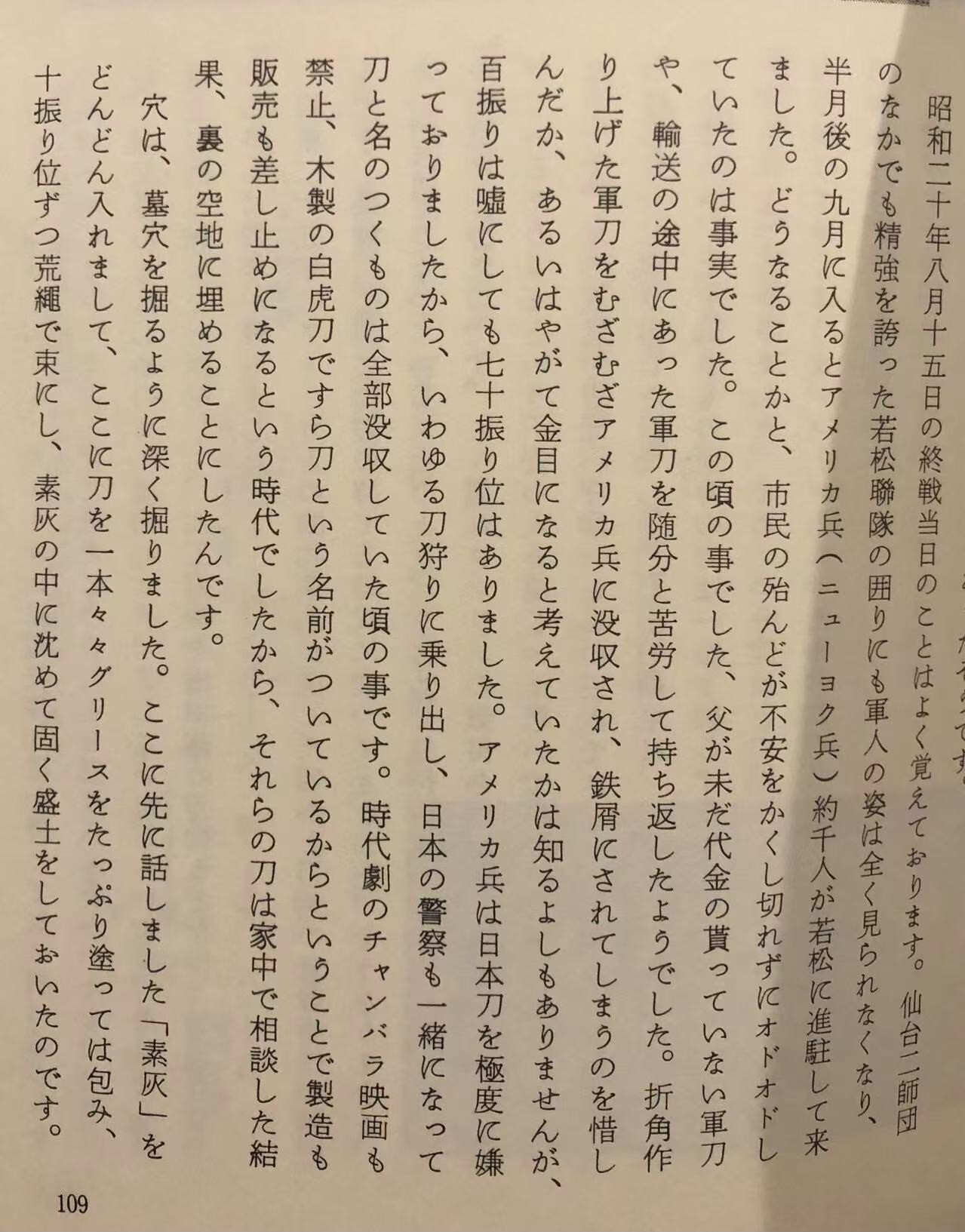
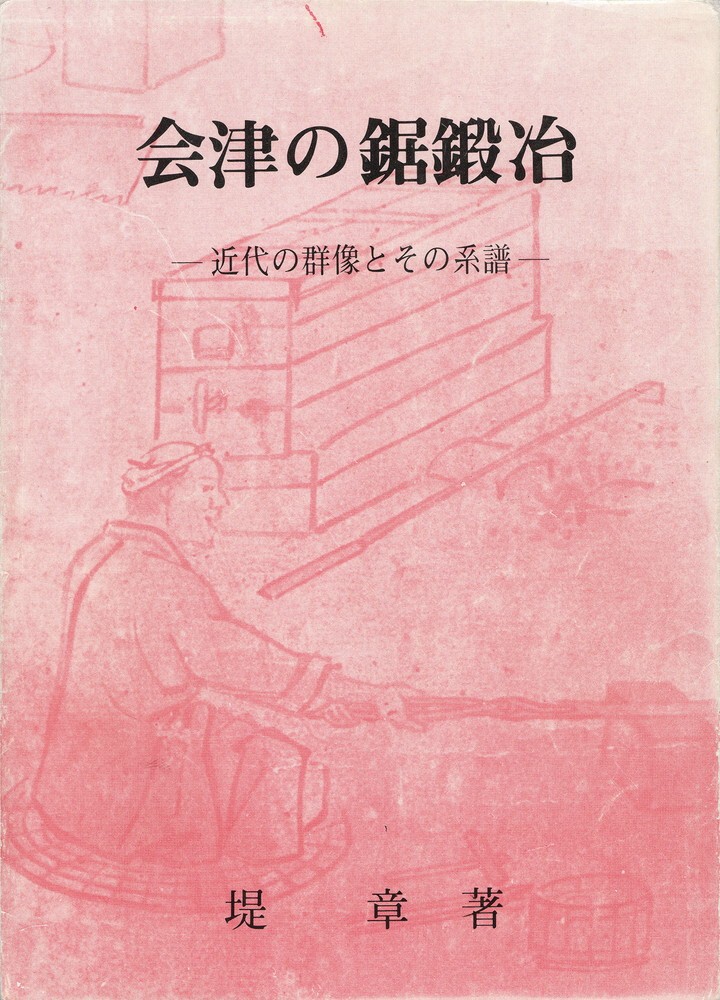
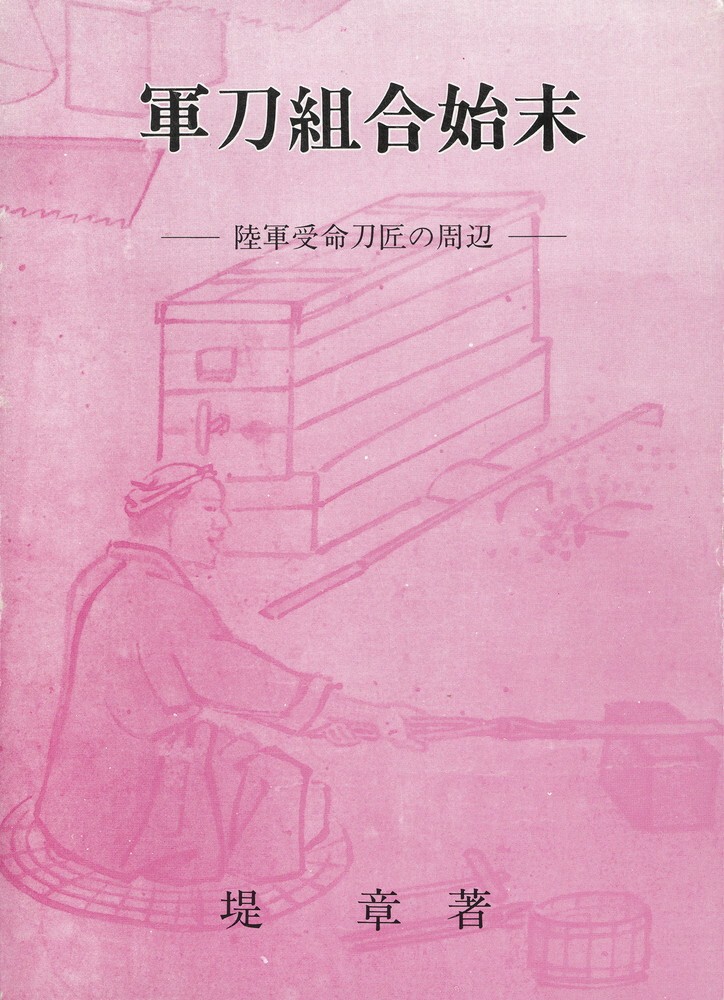
Bruce The story of “The last Mantetsu sword“, which I referenced on page 11 of Mantetsu‑sword thread, comes from page 109 &110 of this book 軍刀組合始末 Guntō Kumiai Shimatsu. It is an oral account given by younger son(Hachuhiko 八州彦) of Mantetsu sword smith Wakabayashi Shigetsugu 若林重次.Shigetsugu 重次 also use Shigefusa 重房 mei as an RJT smith. Page 109 I well remember the day of Japan’s surrender, August 15, Shōwa 20. Within the Sendai 2nd Division, not a single military‑uniformed man could be seen around the elite Wakamatsu Regiment. Half a month later, in September, roughly one thousand American troops (New‑York‑based soldiers) occupied Wakamatsu. It is true that nearly all townsfolk hid their anxiety and lived in constant apprehension, uncertain what the future would bring. Around this time, my father went through considerable trouble to bring back military swords for which he had not yet received payment, as well as swords that were in transit. He hated to see the swords he had worked so hard to make confiscated by American GIs and turned into scrap iron. Whether he also thought they might someday become valuable, I cannot know, but there were at least seventy blades, even if one‑hundred is an exaggeration. American soldiers held an intense aversion to Japanese swords and launched the so‑called “sword‑hunt”; Japanese police assisted them, and every item bearing the name “sword” was subject to confiscation. Even period‑film chanbara sword‑fight movies were banned. Even wooden Byakko‑tō props were prohibited from manufacture and sale merely because they bore the word “sword”. After family discussion, we decided to bury those swords in the vacant lot behind our house. We dug a deep pit, like a grave. We poured in large quantities of the dry lime (sohai) I mentioned earlier. Each sword was heavily coated in grease, wrapped individually, bundled roughly ten blades at a time with rough straw rope, lowered into the dry‑lime pit, and finally covered and compacted with soil. Page 110 Many people claimed: “Even if you hide swords, American soldiers carry radio‑detector gear and will find them right away.” My father was apparently quite nervous at first. Still, he maintained an outward appearance of normalcy, earning a living making carpentry tools and mechanical plane blades. Several years passed in this manner. Around Shōwa 25, after the peace treaty with the United States went into effect, a formal registration system for sword ownership was established. Under certain conditions, private possession of swords once again became legal. At that point we grew restless, wondering what state those buried swords might be in, and resolved to dig them up. We felt a mix of excitement, eager to uncover them, and worry that they would be heavily rusted. My father (Shigetsugu重次), my older brother (Morihiko守彦), and I took shovels and dug them out, covered head‑to‑toe in mud. Unfortunately, groundwater had seeped into the pit. Every single one of those seventy‑odd newly‑forged blades had corroded bright red, crumbling to pieces. Our hope that at least half might survive proved futile. I still vividly recall the shock of that day, when all our energy seemed to drain away from our bodies.

-
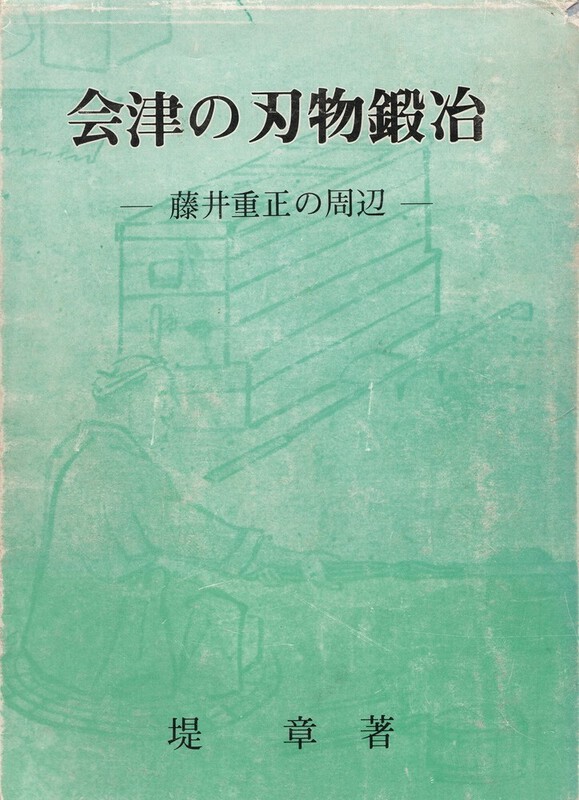
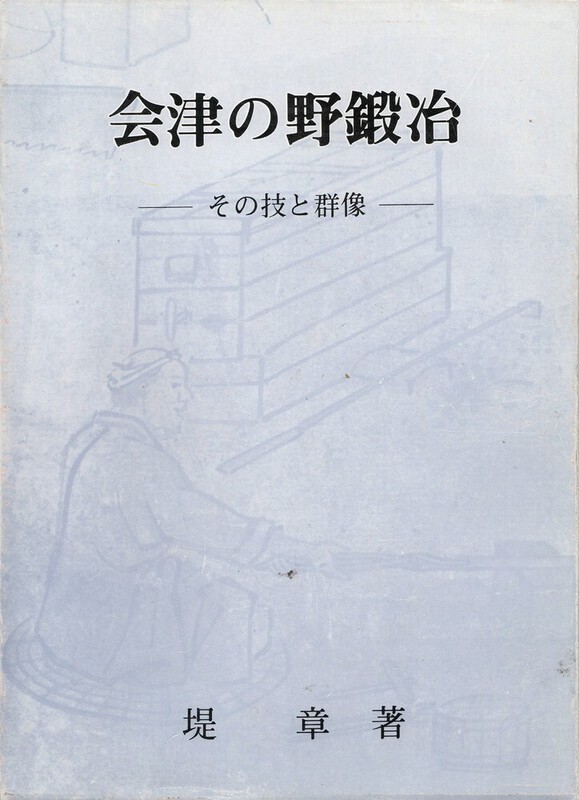
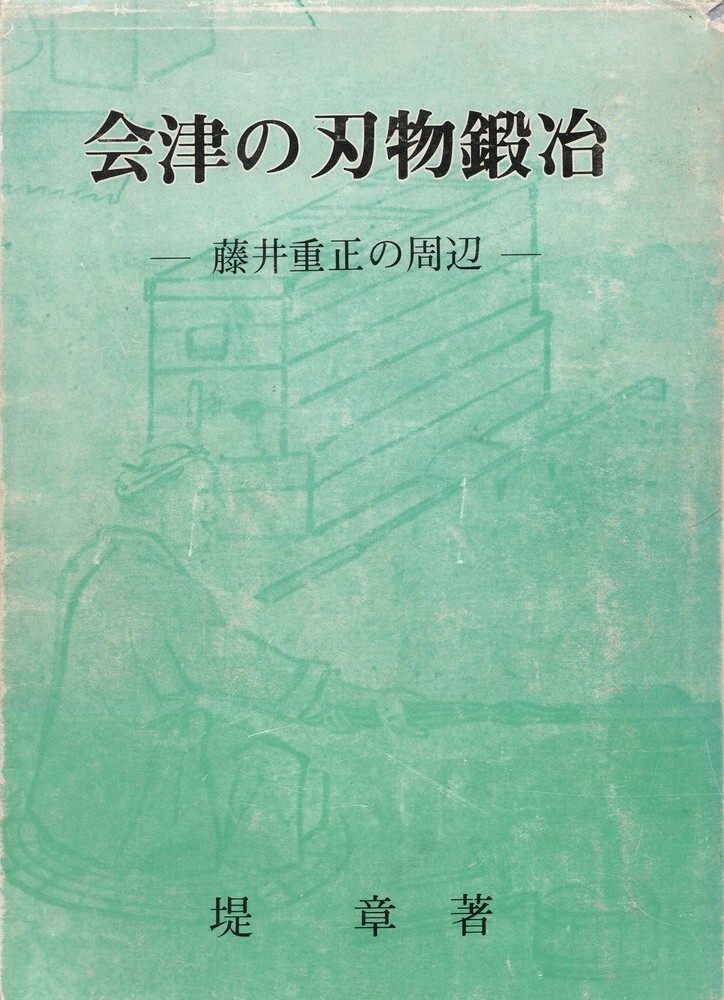
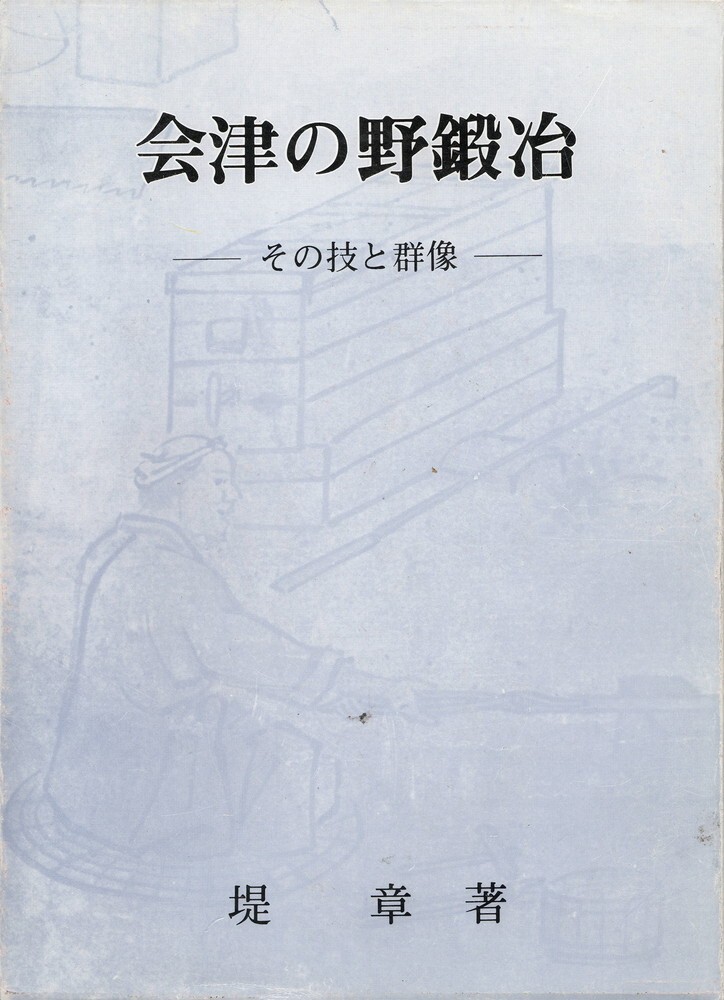
@Bruce Pennington Author: Tsuzaki Akira 堤章 (birth name Endō Akira 遠藤章), third‑generation Kanemitsu(兼光), was born in Shiokawa‑chō (塩川町) in 1924 (Taishō 13). He graduated from the Department of Applied Chemistry at the former Aizu Industrial High School in 1941 (Shōwa 16), then joined Hokkaidō Synthetic Oil Corporation and worked on synthetic‑fuel research. After WWII concluded, he was demobilized home from North China. He subsequently apprenticed under the first‑generation Kanemitsu to master traditional sword‑forging techniques. In his later work Aizu no No‑Kaji (Rural Blacksmiths of Aizu) 会津の野鍛冶 , Tsuzaki Akira wrote about numerous smiths who supported their era by manufacturing agricultural tools. hese are his five‑volume book series on Aizu smithcraft, the Aizu Kaji Sōsho (Aizu Blacksmith Series)会津鍛冶叢書。


-
WW2 Japanese sword Marking - Zoheito Discussion
BANGBANGSAN replied to Swords's topic in Military Swords of Japan
Petition: Request for Establishing the Provisional Specification for the Type 91 Cavalry Sword(乘馬刀) and Type 91 Foot Soilder Sword(徒步刀) 27 February, Shōwa 7 (1932)


-
WW2 Japanese sword Marking - Zoheito Discussion
BANGBANGSAN replied to Swords's topic in Military Swords of Japan
The Type 91 sword, which came in foot‑soldier(徒步) and cavalry(乘馬) variants, was the direct predecessor to the Type 95. It stayed experimental and was never mass‑produced. Take a look the experimental sword(試製軍刀) and “32‑modified sword” (改修軍刀)Nick referenced in his Type 95 thread. https://www.warrelics.eu/forum/Japanese-militaria/short-development-history-type-95-gunto-676112/

-
Same sword- 実用新案登録第320020号 Registered Utility Model Registration No. 320020
.thumb.jpg.4500ab7e80e8fc6372e7cf4ab25a7241.jpg)
.thumb.jpg.aaa638d4eb881f148adef4aa3336628b.jpg)
.thumb.jpg.3d039f15fb73630c3c7c59638e31c8c6.jpg)
.thumb.jpg.a499b7dfba008cf12941d2ae2ab8cd29.jpg)
-
The Type 95s these two Sikh soldiers are holding don’t seem to have a sarute either.

-
This NCO practicing kendo has his hand over the hilt, so we can’t tell if there’s a sarute. If there was one, it’d definitely mess with his grip。

-
I think I have a late World War 2 Japanese Cavalry sword.
BANGBANGSAN replied to Moderk's topic in Military Swords of Japan
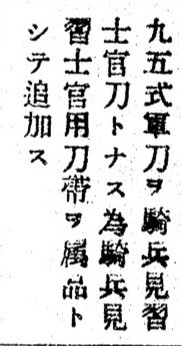
In fact, according to official Japanese military documents, there was also a cavalry(騎兵) variant of the Type 95 NCO sword. Chinese cavalry units also use some the Type 95 as their cavalry sword. The cavalry variant was slightly more expensive,the main difference was presumably that the cavalry version came with a special hanger.


-
Super Sleuth assistance Needed - RJT search
BANGBANGSAN replied to Bruce Pennington's topic in Military Swords of Japan
According to Ohmura‑san, two of Akihide's students, AKIKUNI (昭國) and AKITOSHI (昭壽), were from Kanagawa 神奈川. Both were RJT smiths.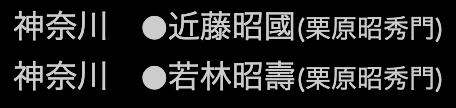
-
Arsenal Mark on RJT sword Fittings
BANGBANGSAN replied to george trotter's topic in Military Swords of Japan
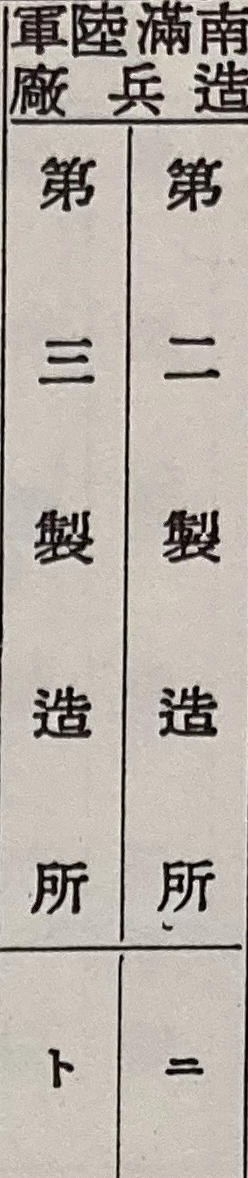
The katakana ト could be the first character for Tokyo. However, it was also the factory code for the 3rd Manufacturing Plant of the South Manchuria Army Arsenal.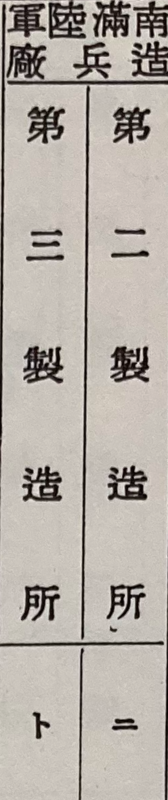
-
The first one is the same one that I post
-
1892 Type 25 survey assistance needed
BANGBANGSAN replied to John C's topic in Military Swords of Japan
Here you go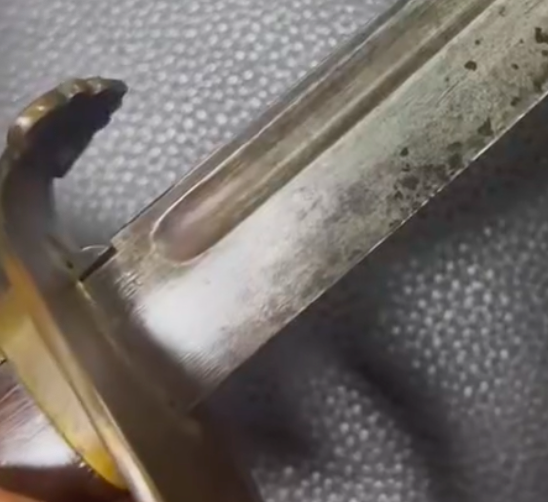
-
There are a few of these leather-covered Type 32 examples exist.
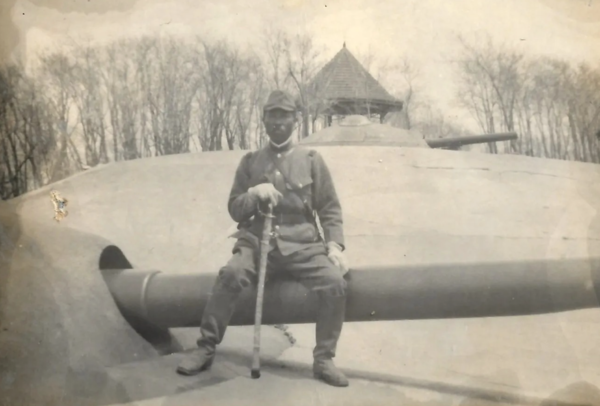
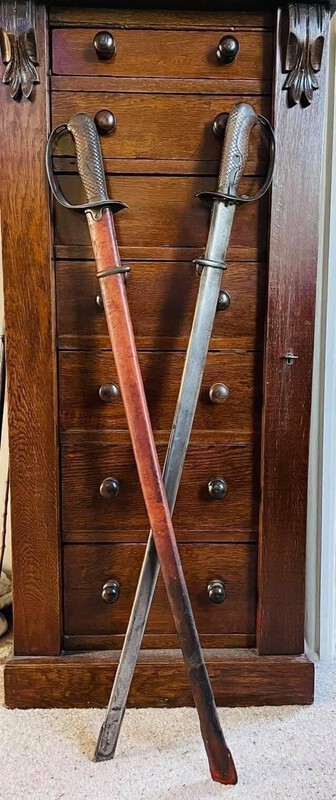
















.jpg.5ad9fbf924dab04a7a7cc53b73276851.jpg)
.jpg.2b5d9353a56de4d0b587c1a7ceee4e2d.jpg)
.jpg.e1a57ea6263e32f0c44bc4467ff9ebd5.jpg)
.jpg.ce54729e61353dd2c94c95ad5e13149d.jpg)