

vajo
-
Posts
7,028 -
Joined
-
Last visited
-
Days Won
86








Recent Profile Visitors
10,424 profile views



vajo's Achievements






-
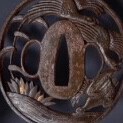
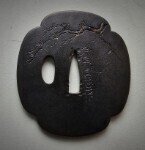
That Looks much better! Very nice tsuba. I like it.
-
Sad treatment for a beautiful piece. Now you should invest money to sent it back to Japan to a professional restorator, cleaning and handling rokusho for a good niage patination.
-
Jussi do you have any info about the sanskrit bonji?

-
Better picture of the carvings.
-
Never see this before. Haian period tsurugi / ken? 46,3 cm nagasa Sukashi carving - very interesting. Maybe someone knows more about it? For me it could be the Kusanagi-no-Tsurugi
-
Looks like wartime or later.
-
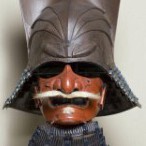
Ww2 Officer Nihonto Tachi
vajo replied to Jacobbuckler's topic in General Nihonto Related Discussion
Ah me fault. Its tachi mei. -
The only thing that worries me is the condition of the metal saya. It looks as though it was stored in unfavorable, humid conditions. You should consult experts to halt the rusting and preserve the piece. This has a huge impact on the sword's value.
-
Hi Joe congrats, you hold the holy grail of collecting NCO swords in hand. Don't clean it. Don't rub it. Only oil slightly the blade. I would not dissamble it.
-
Has it a Star Stamp or not above the mei?
-
He looks very young for a seargent major. "In the Imperial Japanese Army (IJA) during WWII, a Sergeant Major (Sōchō) was a senior non-commissioned officer. Because the rank required significant military experience, Sergeant Majors were typically career soldiers between 30 and 45 years old."
-
The habaki didn't fit to the blade. Its not original.
-
Tachi signed mei - should read masamitsu looks shinto to me.

-
Who has a geiger counter?
-
This has all nothing to do with the initial thema. I see Godzilla coming.


