Bruce Pennington
-
Posts
14,672 -
Joined
-
Last visited
-
Days Won
176
Content Type
Profiles
Forums
Events
Store
Downloads
Gallery
Everything posted by Bruce Pennington
-
Very cool Dean! Both look fairly old, have you had anyone give you a guess on age?
-

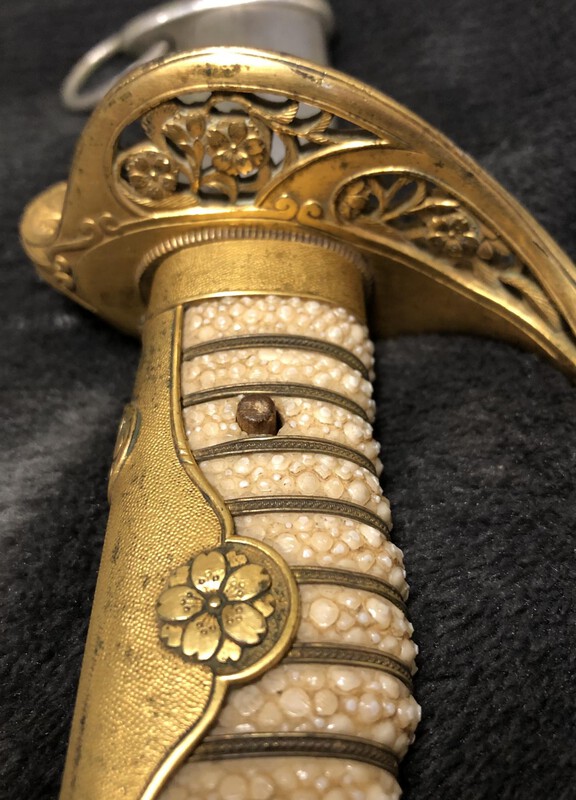
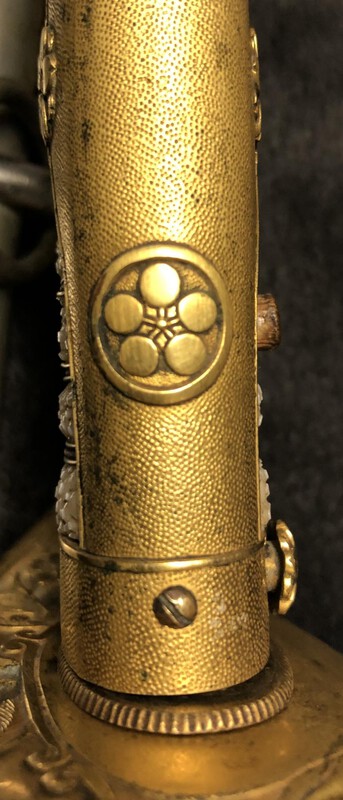
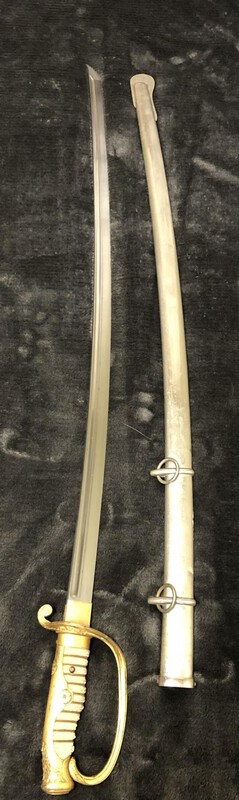
My Christmas Present finally Came In!
Bruce Pennington replied to Bruce Pennington's topic in Military Swords of Japan
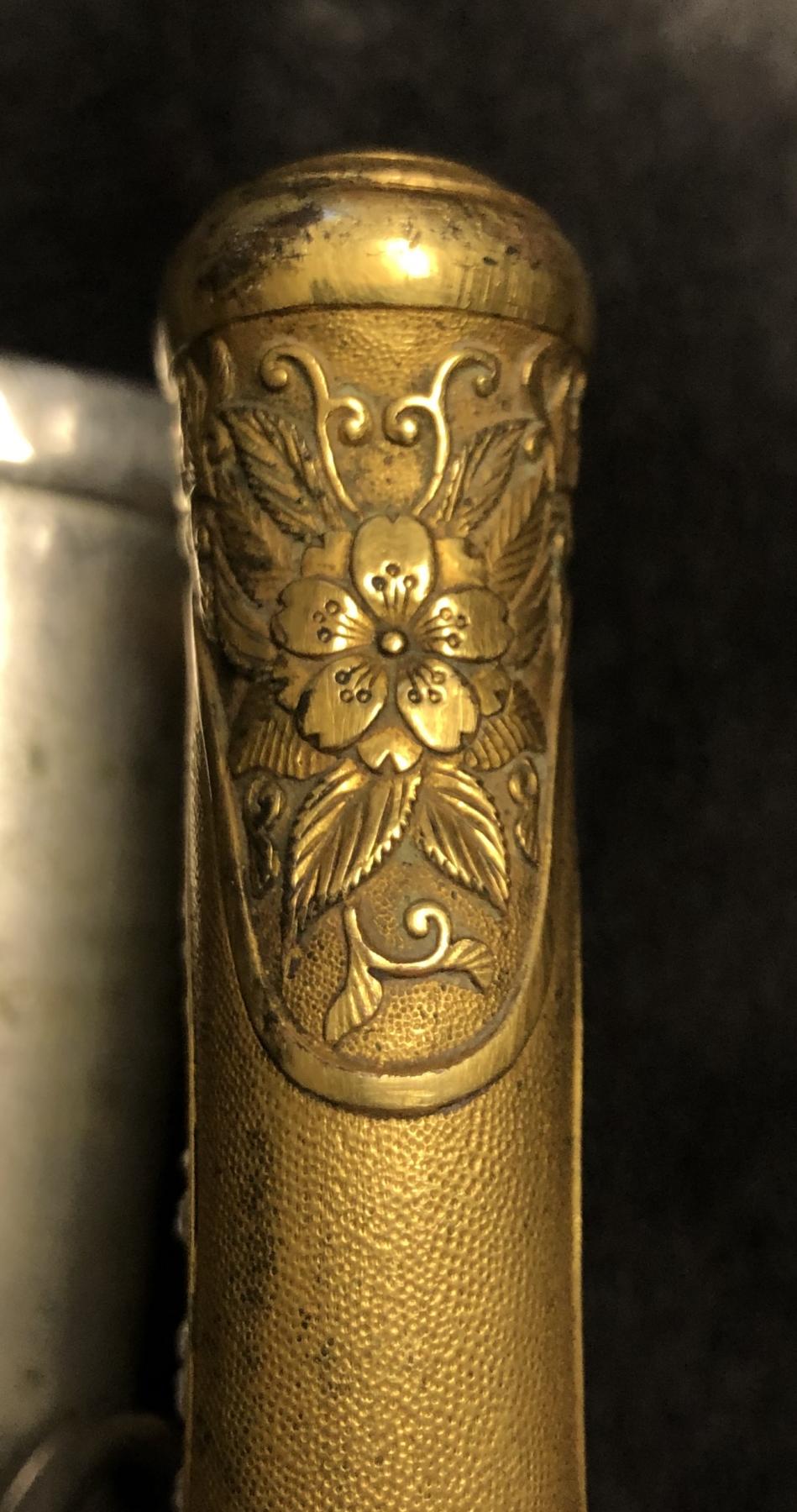
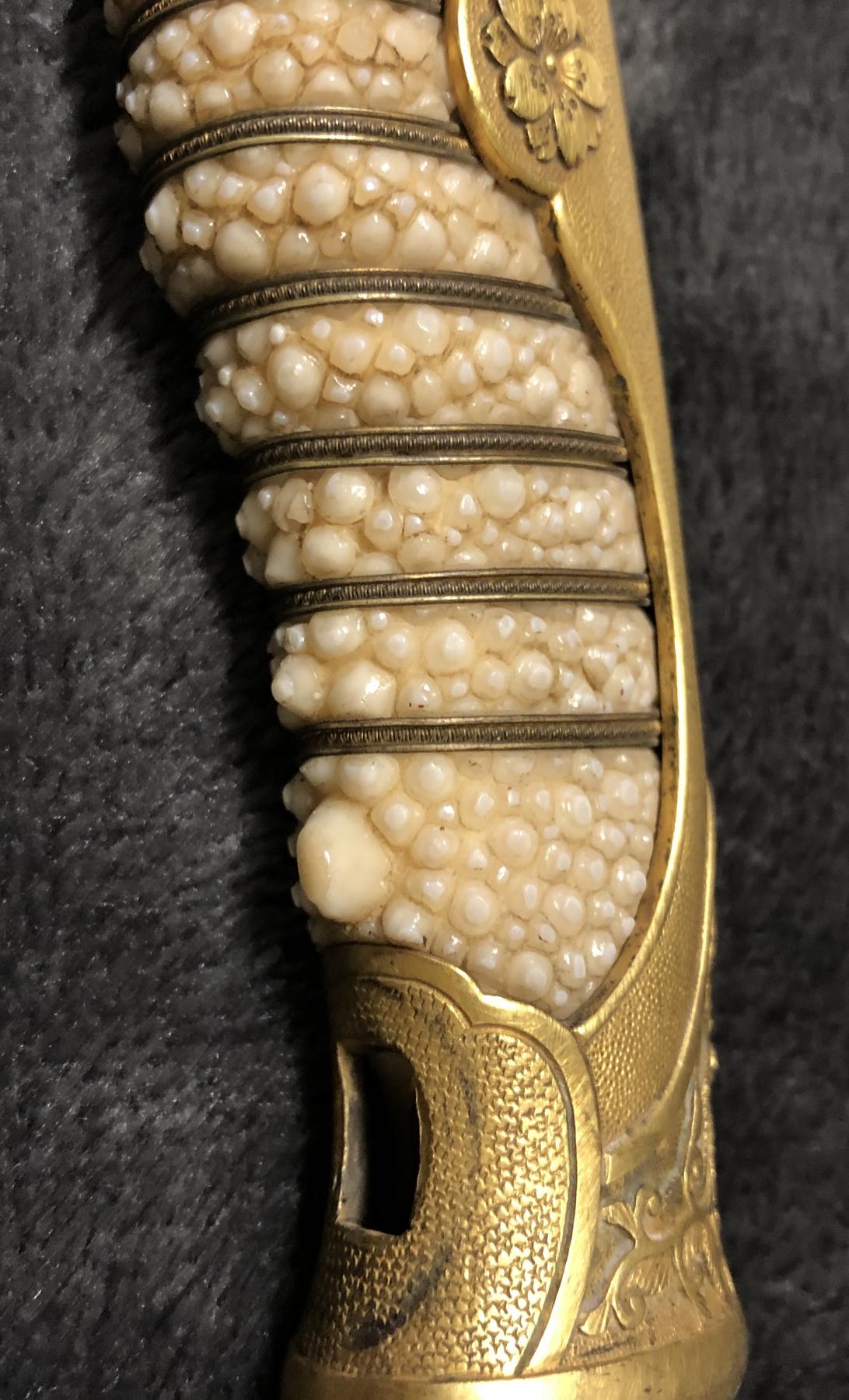
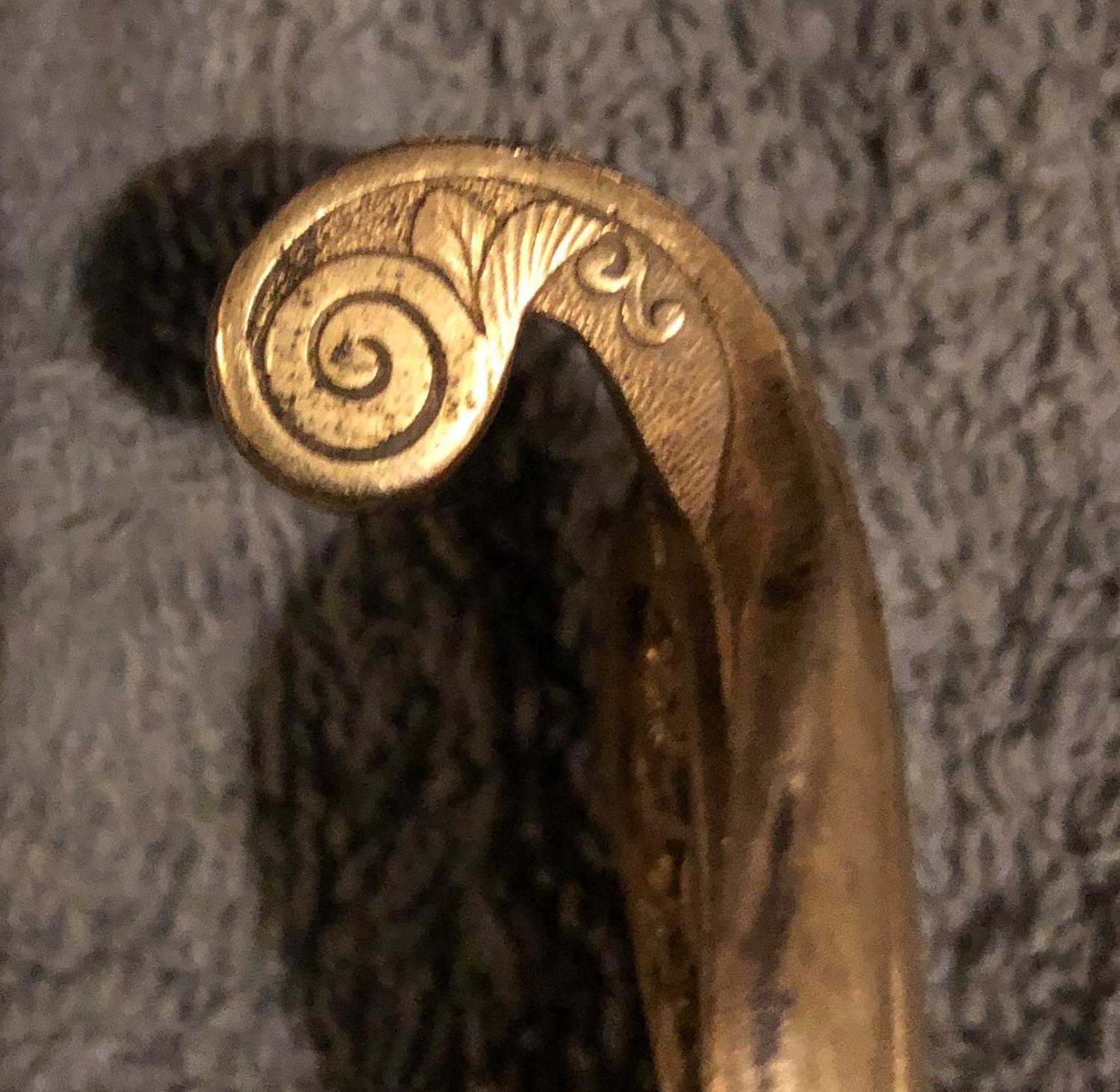
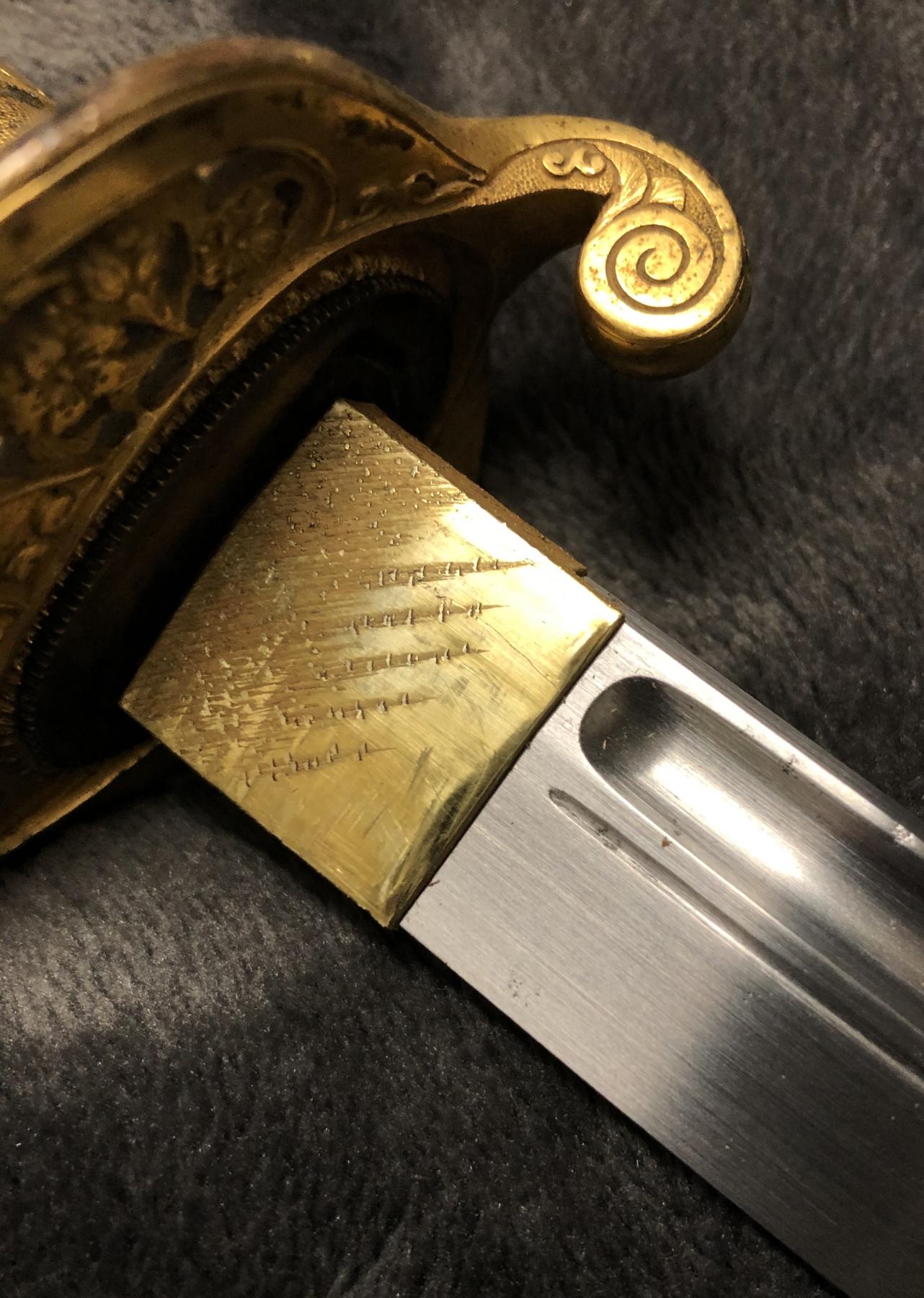
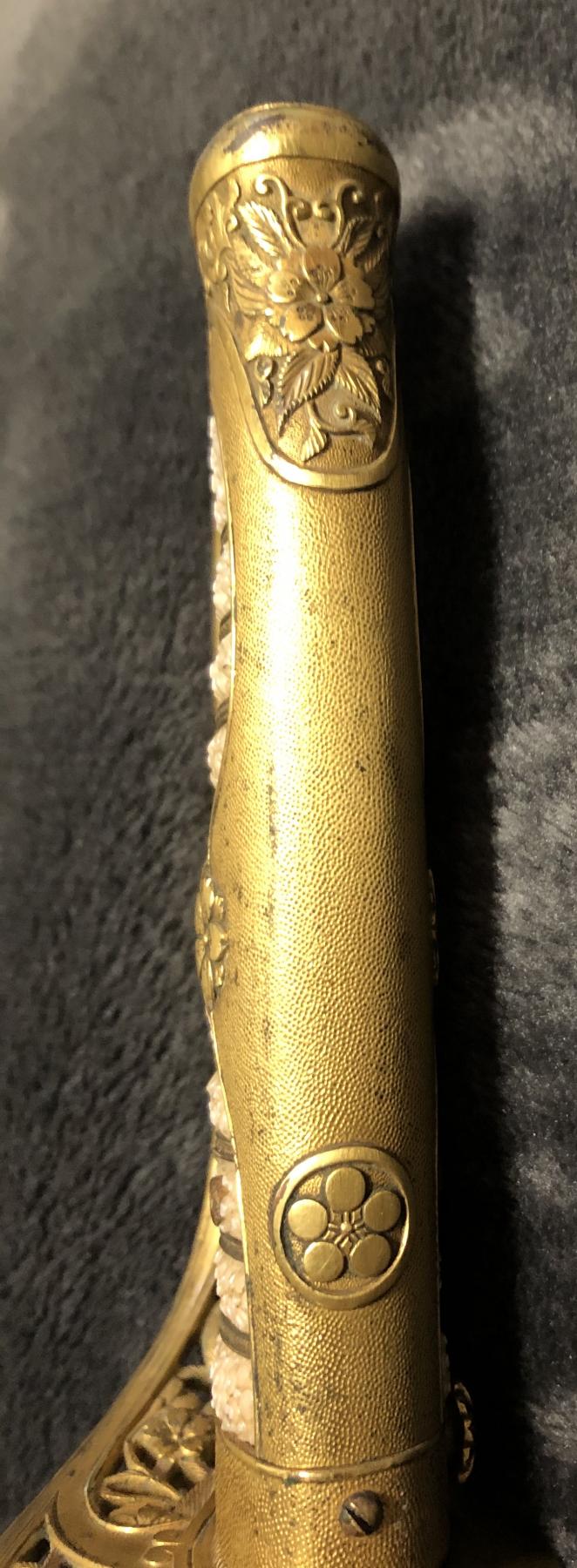
It's my first Kyu (probably my only). I love the work that went into the little details. (of course this is true for all Japanese metal-work)...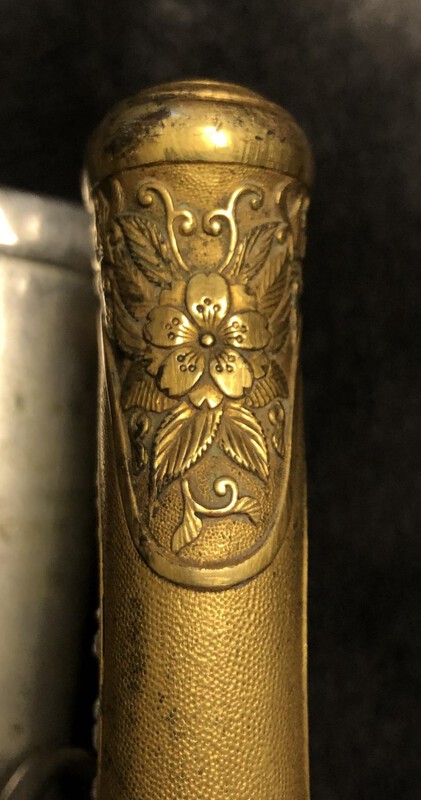
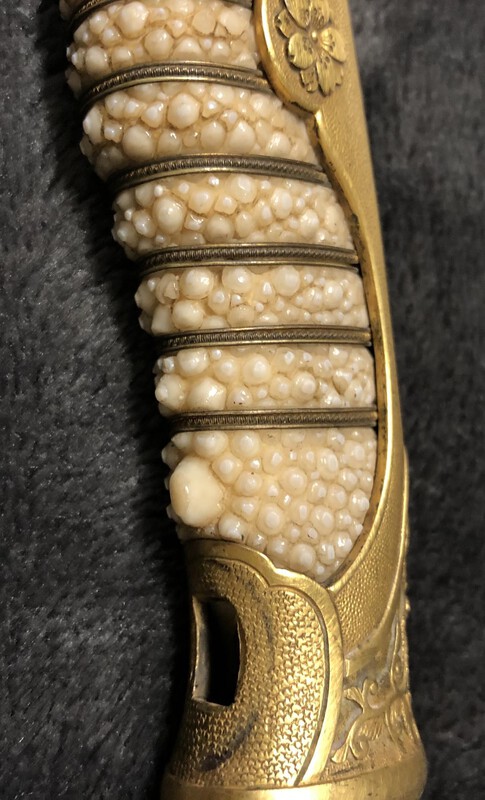
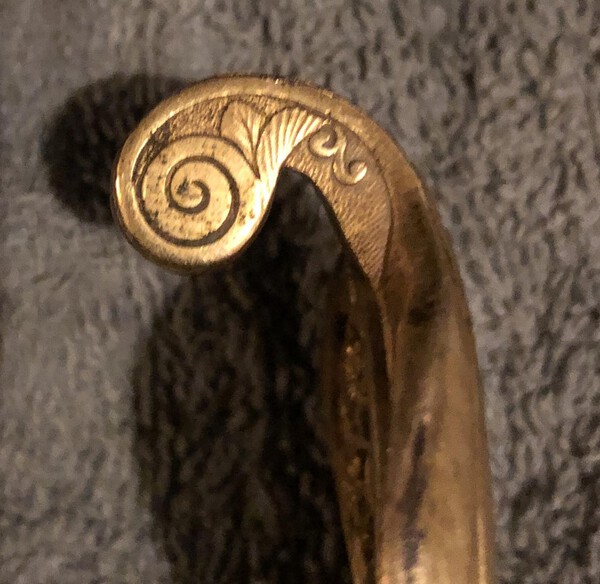
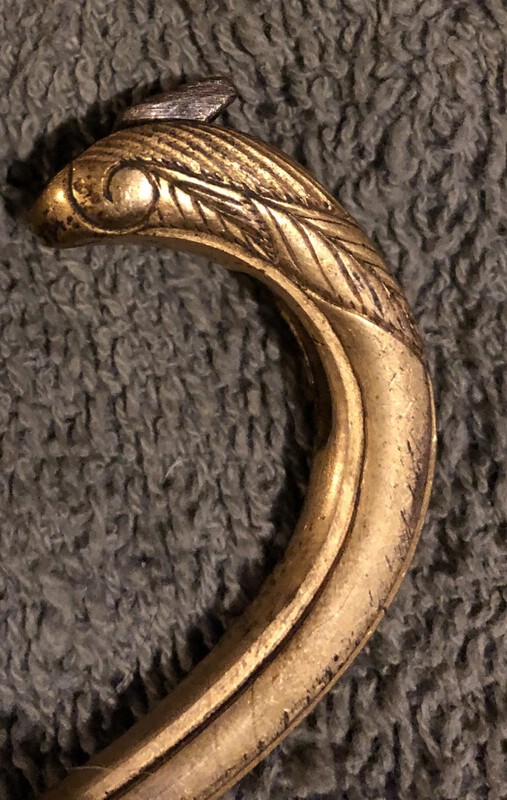
-
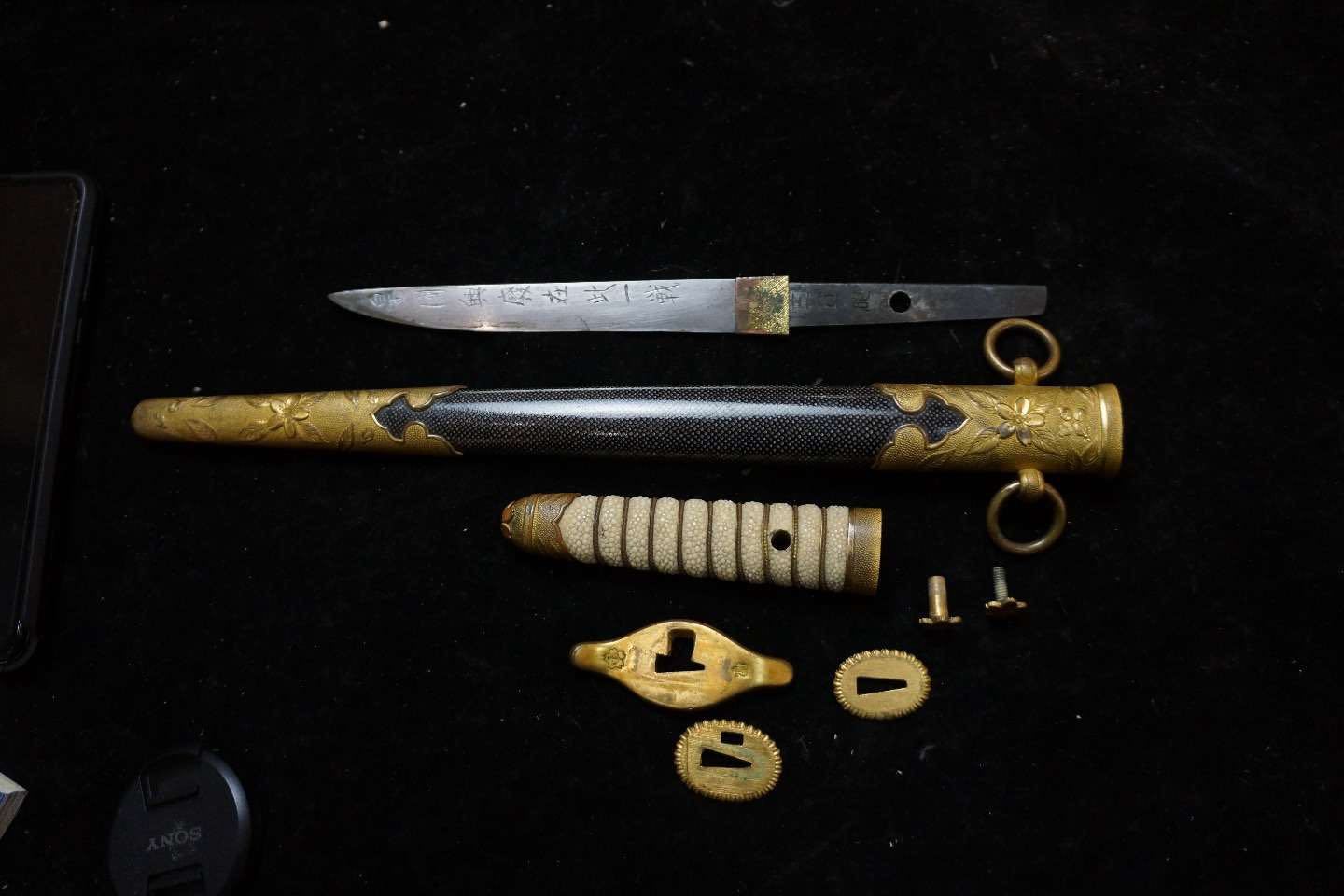
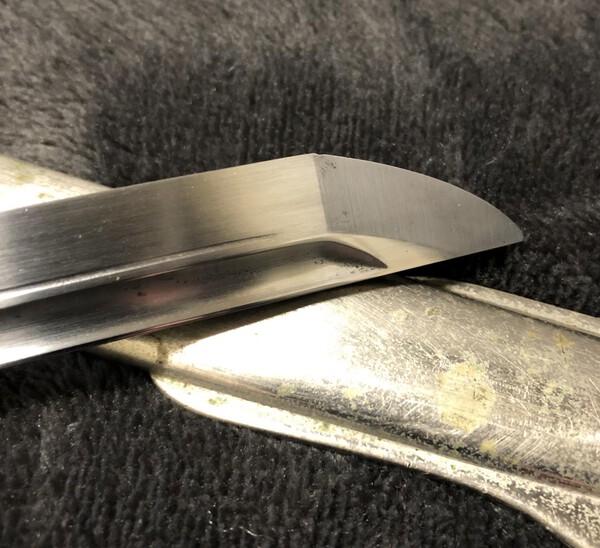
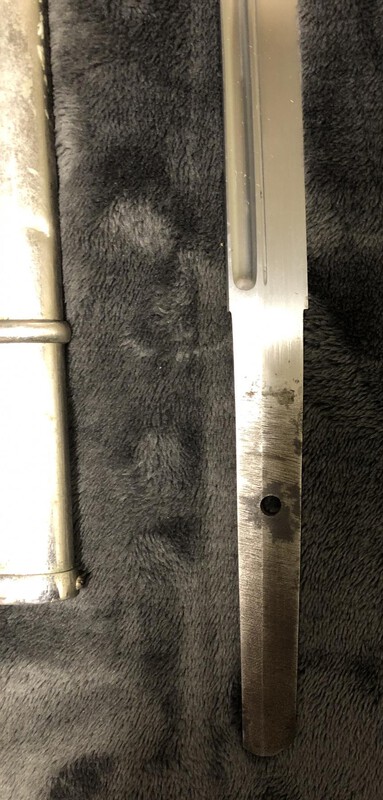
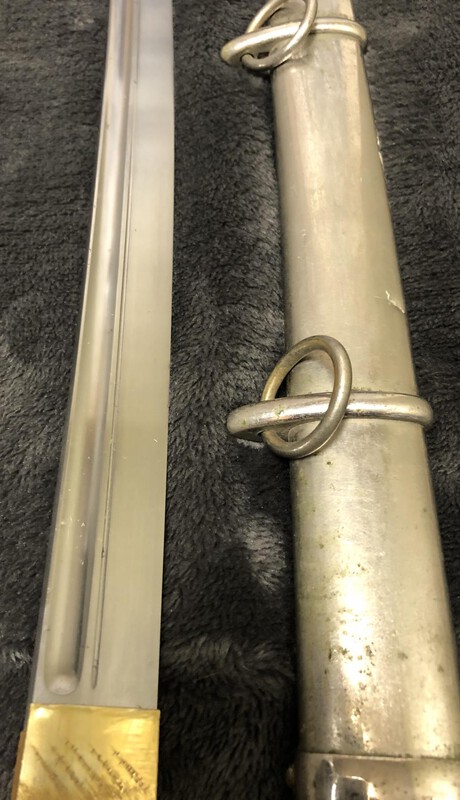
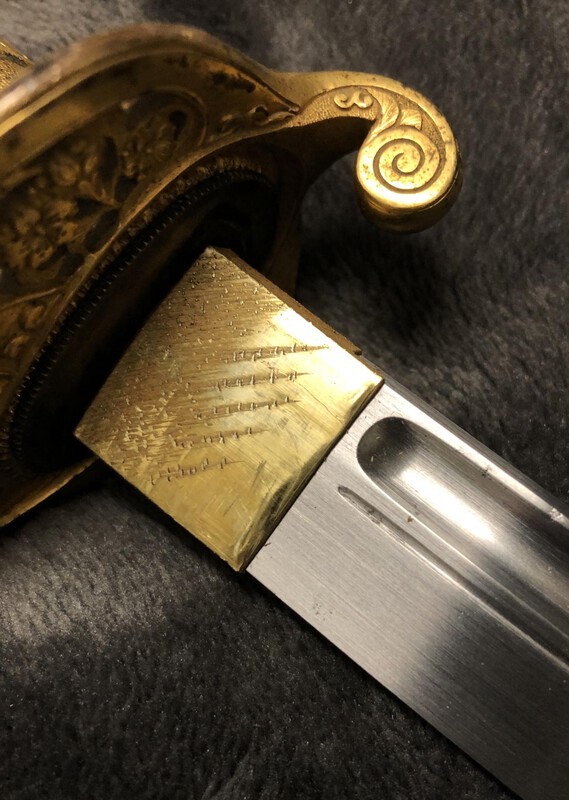
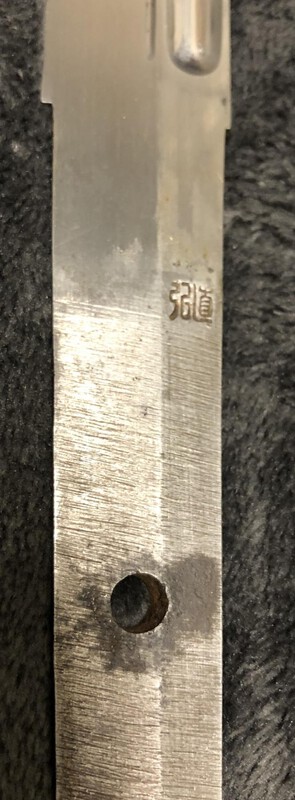
Wifey decided to get me a real Christmas present this year - a really nice Type 8/19 with a Naohiro combat blade! It's the one John showed us on another thread, but don't worry, I didn't pay that price! Just a normal market price. I love the finely done double bohi. The blade is immaculate, and I like the double ashi. Enjoy:

- 25 replies
-
- 11
-

-
I saved the pics of that baby for my files!
-
Help with this sword please
Bruce Pennington replied to Dean1981's topic in Military Swords of Japan
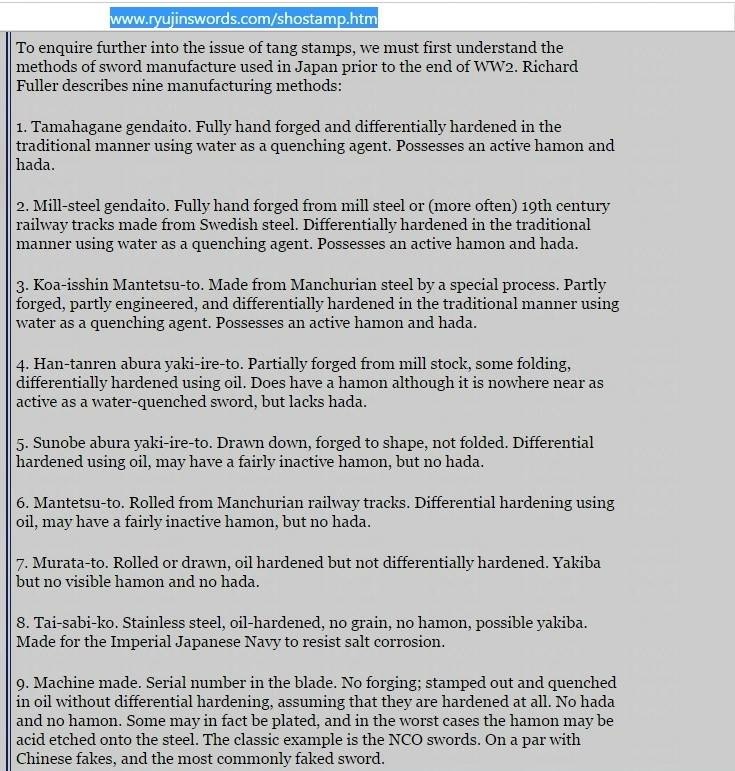
Dean, (sorry, we were typing at the same time!) I'm attaching a chart showing the NINE different ways blades were made. The simple answer to your question is that a lot of work can go into a blade, making an attractive hamon, etc, but if it was oil quenched, then we don't say "traditionally made." Even blades that were water-quenched, but used non-Japanese steel don't qualify for the label "traditionally made." Overall, your gunto on today's market will sell in the $900-1,200 USD range, depending upon your marketing skills, location, and buyer.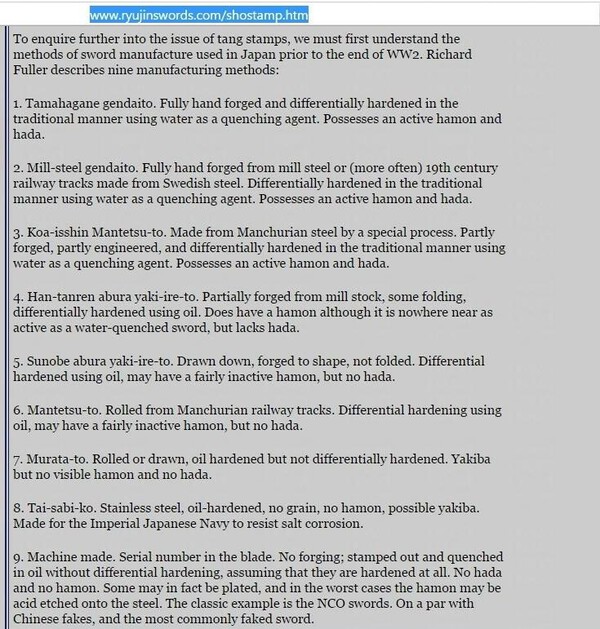
-
Shipping success
Bruce Pennington replied to Alex A's topic in Sword Shows, Events, Community News and Legislation Issues
USPS contracts with whatever airline is leaving a US port city heading for the package destination. It is whomever is available that day. I've had 2 swords go through to Australia, but had 2 other rejected. After numerous phone calls the system was explained to me. My rejected ones had been sent to an Emirates airline flight. And Emirates won't ship kitchen knives much less a sword. I will look into EMS, thanks! -
That is the most bizzare thing I have ever seen! What's on the nakago?
-
Help with this sword please
Bruce Pennington replied to Dean1981's topic in Military Swords of Japan
Could we see a picture of the whole nakago (tang) with the handguard and fittings removed? I have a navy blade with similar file marks (a little better, but not much) and I have another navy blade with the end of the nakago roughly cut off. That one is a late-war, unsigned blade. I assumed it was a rush-job. Your fittings are really top-quality. Maybe some nihonto guys can comment on the hamon - I've heard the black line in it means oil quenched? -
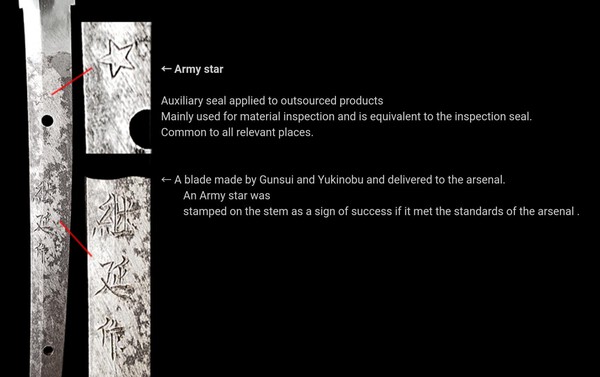
Ok, got word back from George Trotter about that list. It came from his translation of the Ohmura pages. The way the text was written it sort of implied a "undated" but didn't actually say it. George feels the regulations provided by Morita-san, that clearly specifies that RJT smiths must sign AND date their blades is the definitive source. So, if anyone shows up with an undated, star-stamped blade it will actually be a surprise to us all. Although, Ohmura DOES show one on his site: http://ohmura-study.net/206.html
-
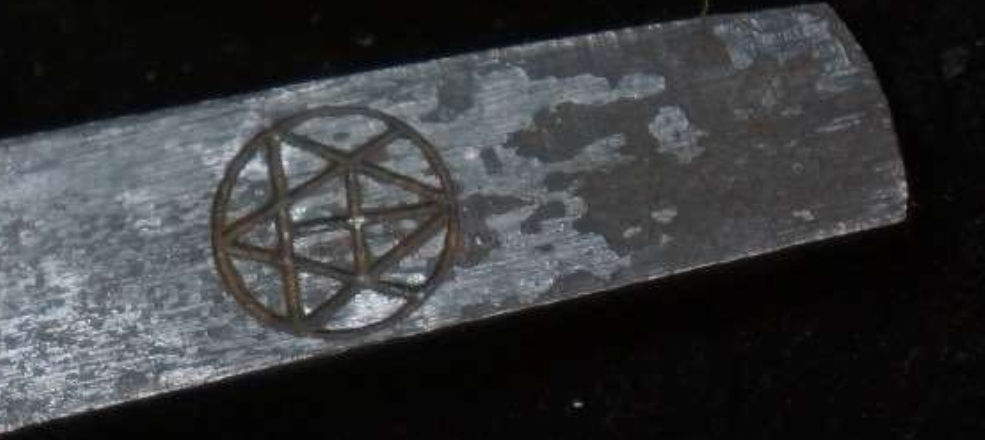
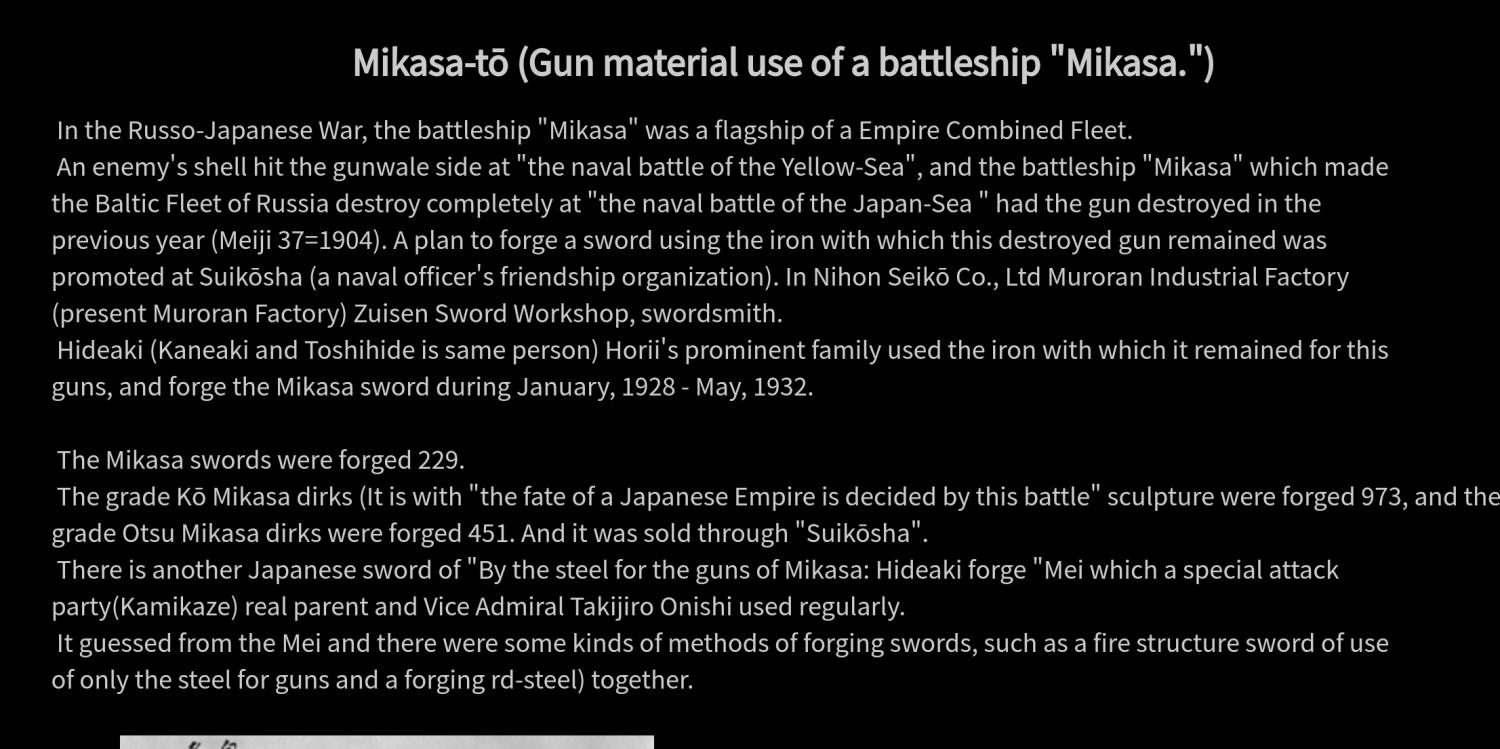
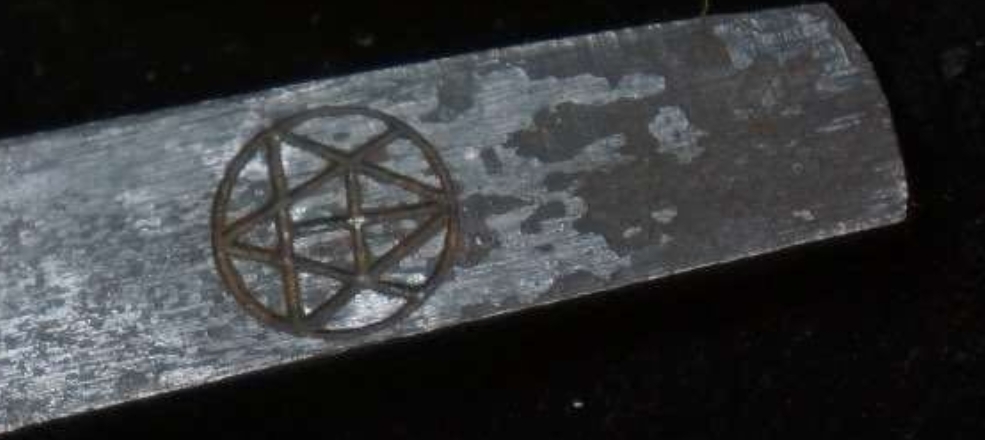
Trystan, and more pics of this stamp on the Mikasa kirk? Stephen - yeah, I can't tell either. I suspect it's a kakihan of a particuar smith, or maybe represents some tip-of-the-hat to a god, or something else. I'll put it down as "unknown" unless someone can clear it up for us.
-
OMG! Thanks Thomas. So that makes the Kanenori - Oct '39; Kanemichi - Dec '39; and likely means the Yoshimichi on the Christie's Auction suspect. If they read the date wrong like I did, it' probably a '39 too. They don't show the nakago, but simply write, in text, the date (likely given to them wrongly from the owner). If you guys paid me more I could take some Japanese language classes! But NOoooO! The 3 blades still change the status-quo as all previous discussions of the beginnings of the Showa stamp state that the earliest date ever seen was late 1940. So this walks it back a year.
-
Yes. There are sometimes differences from Ohmura-sans claims and what we are seeing in other sources. The post from George Trotter came from his translation of an Ohmura post on the subject. http://www.militaria.co.za/nmb/topic/5392-star-stamped-swords/ Maybe we will see someone come up with an example.
-
Read George Trotter's statment above. "2.Blades with mei (no date?) and star stamp made "on-site"." I don't know why the question mark is there, but the idea was that some RJT blades were made in the arsenal, while some were made in local shops. The blades without date were supposedly made in the arsenal. I don't know where George got this information. But if there are examples inline with this Item 2, then it would lend credence to it. The whole reason I bring this up, is because of Richard's observations showing only dated blades with star stamps.
-
LOL!!! I feel your pain! I've been in your shoes on a number of issues. In the end, they're just opinions, as none of us can ever know for a fact.
-
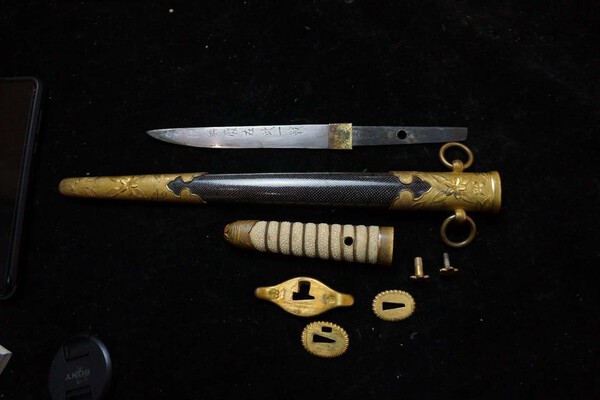
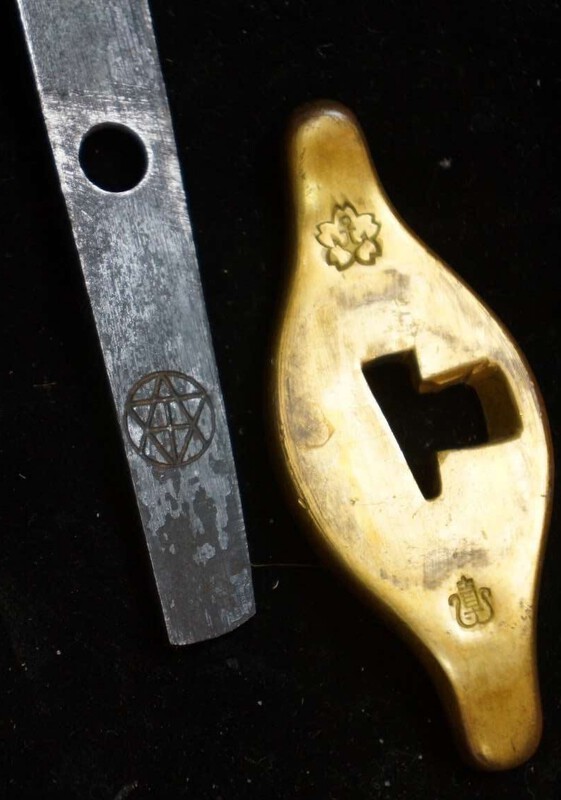
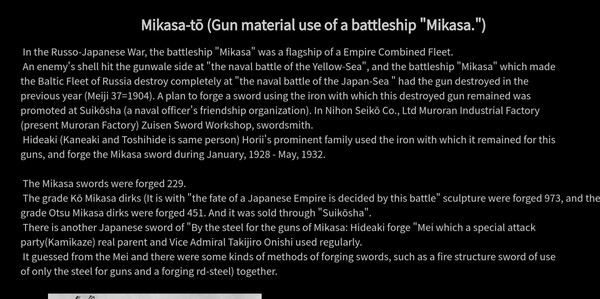
Trystan posted this on the "Arsenal Stamps" thread because of the hotstamp on the nakago. Anyone recognize it, or have an idea of it's meaning? The dirk itself seems to have been shortened from the tip. Ohmura-san's example is quite a bit longer, and from this picture, you cans see the blade is much shorter than the saya.
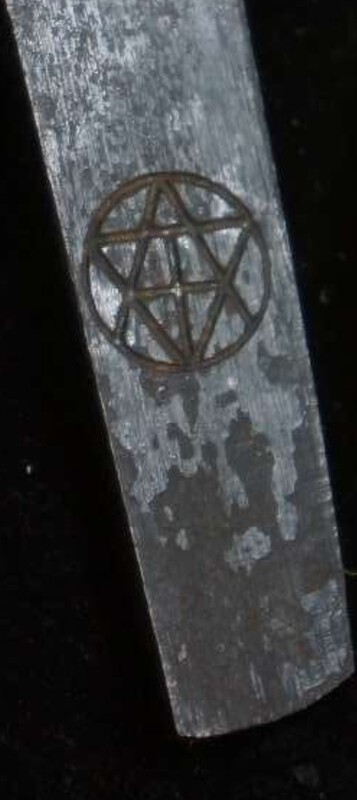
-
Do you mean this, John? I see why it made you think of it, but it doesn't appear to be the same.
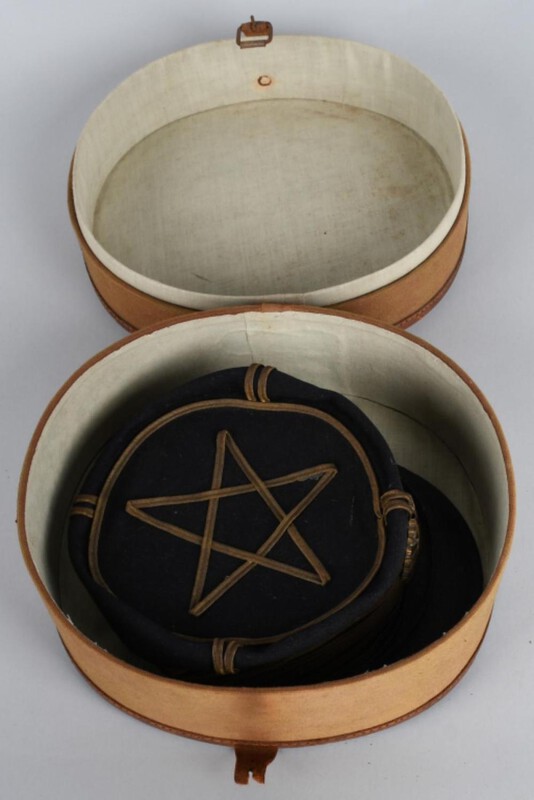
-
I am in the process of cleaning up the Showa/Seki/Star discussion on the Stamps Doc and in recent emails with Richard Fuller, have received from him a chart. Richard surveyed over 900 oshigata (wow!) and discovered that ALL star-stamped blades in the database observed were dated. Question - does anyone have actual examples (or oshigata) showing the non-dated, but star-stamped blades discussed in item 2 below: George Trotter provided the following: "From the above, it seems that true gendaito appear with 1. tosho mei and small logo stamp, eg "saka", and "na" etc (eg Ichihara Nagamitsu with "saka"). 2. Blades with mei (no date?) and star stamp made "on-site". 3. Blades with mei, date and star-stamp made "off-site" by Rikugun Jumei Tosho." You'll see his data in the center column of this chart: "DATED SHŌWA BLADES WITH TANG STAMPS Compiled from approx 920 shōwa period oshigata. (Many oshigata are stamped but are not included because they are undated. The Shō and Seki stamps are, by far, the most numerous. Star stamped blades always seem to be dated." (from Richard Fuller) Japanese sword stamps-4.doc
-
Trystan, thanks! Do you know the meaning of the hotstamp? It isn't present on the examples found on Ohmura's page.
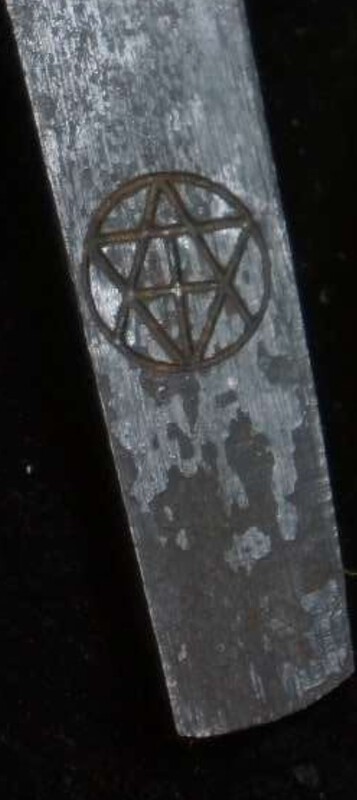
-
You are right about the oddities. Never say Never nor Always when it comes to gunto!
-
Agree with Ed. The mark is just where someone hit the peg with a sharp edge to wedge the mekugi into place. You should be able to tap/push it out from the other side.
-
Two Russo-Japanese War era Swords
Bruce Pennington replied to Wolfmanreid's topic in Military Swords of Japan
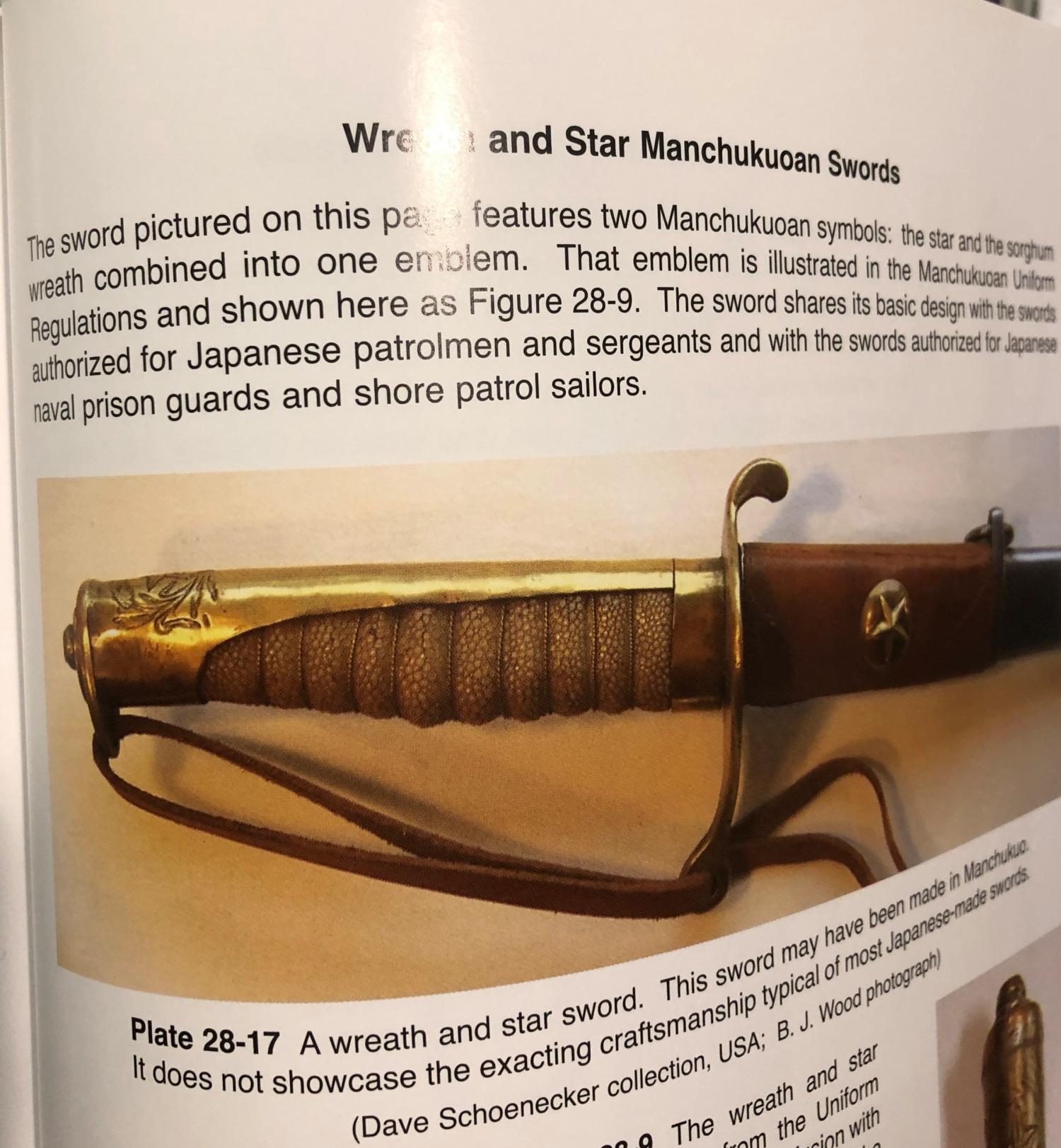
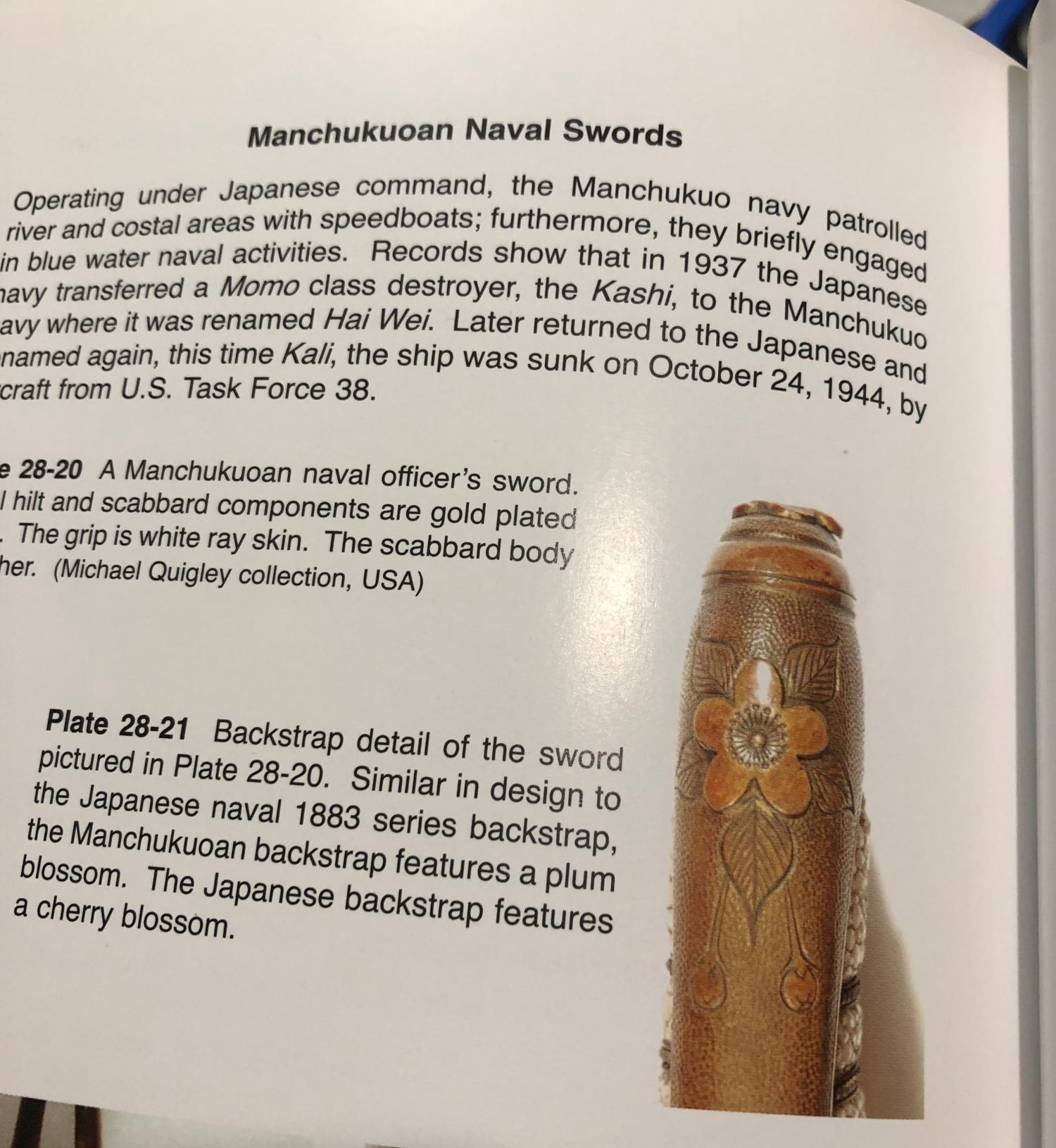
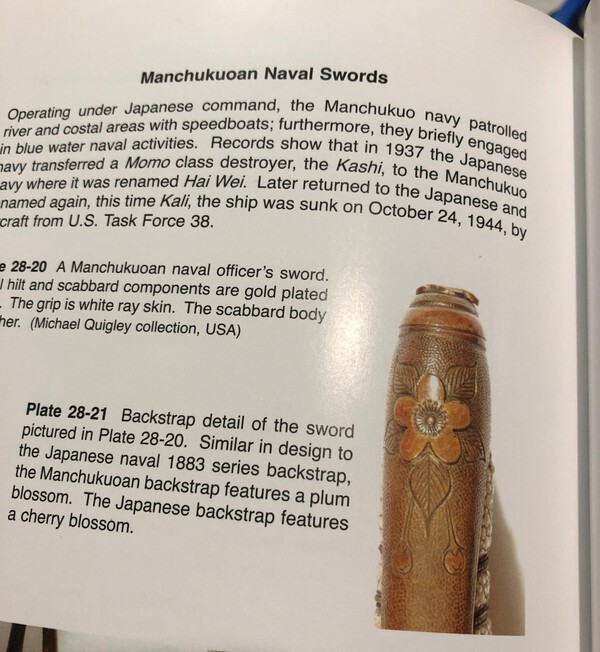
Wolf, Your specualaion is spot-on. Dawson shows the emblem as the Manchuoko Navy patrol. The style handle is of a shore patrolman. Dawson's similar blade design has a Japanese patrolman emblem, but on the next page, he shows your emblem on a Manchuoko naval officer sword: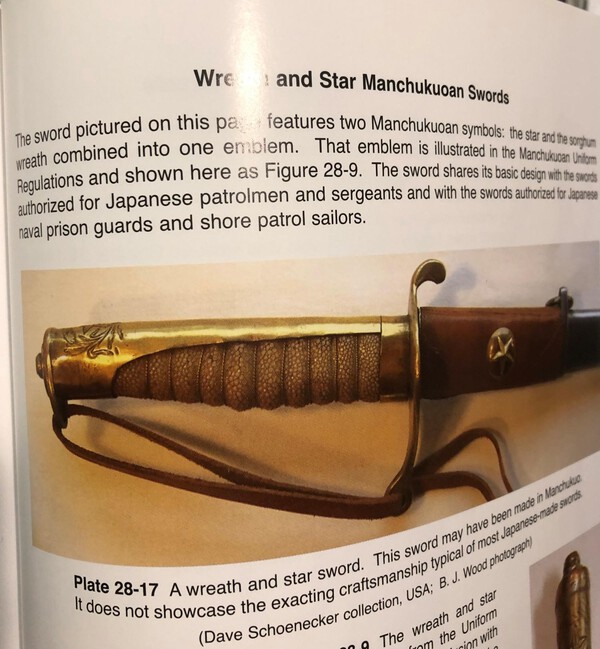
-
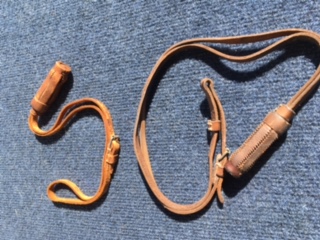
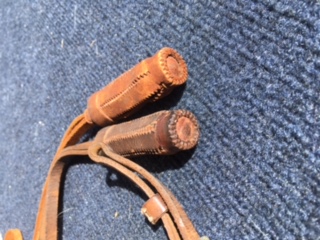
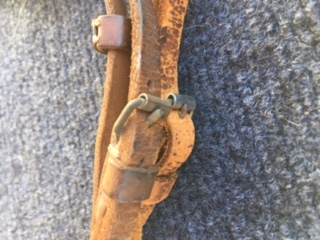
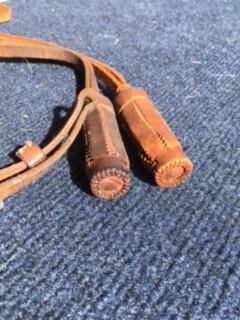
Pictures of NCO leather sword tassel?
Bruce Pennington replied to Smee78's topic in Military Swords of Japan
Here's a couple of my real ones Ron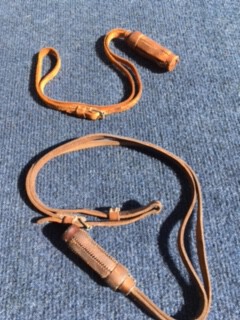
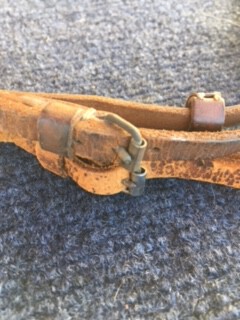
-
Boy, they are getting better at the Kokura stamp!
-
Two Russo-Japanese War era Swords
Bruce Pennington replied to Wolfmanreid's topic in Military Swords of Japan
Reid, To be fair on value we’ll need to know and see a little more. The left one is a Type 32, but is a bit unusual as the palm of the grip isn’t crosshatched. Could be a repair piece. These tend to run in the $400 range. The shorter one appears to have a real fighting blade in it. Price could hinge on knowing who made it. We’d need to see pictures of the nakago (tang). -
Japanese WW2 NCO sword help please
Bruce Pennington replied to Dean1981's topic in Military Swords of Japan
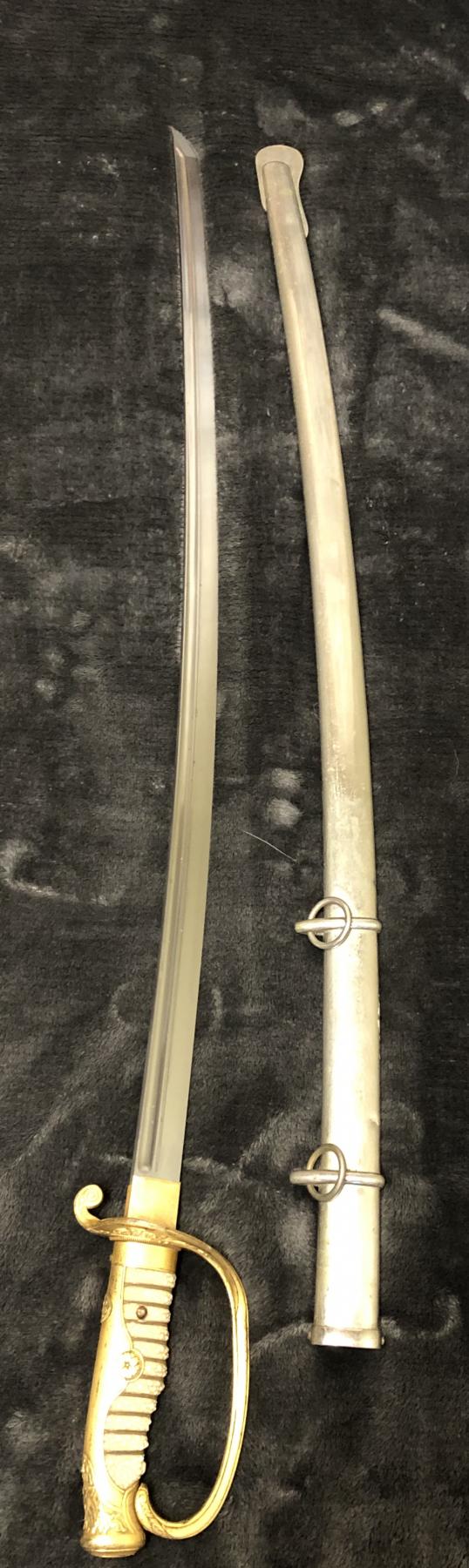
It might even be a Polish replica. Steve was showing some Polish examples a while back that were quite good!. As you suspected, the stamps are an attempt, but not right. The serial number is way too high also.