Kurikata
-
Posts
1,417 -
Joined
-
Last visited
-
Days Won
4
Content Type
Profiles
Forums
Events
Store
Downloads
Gallery
Everything posted by Kurikata
-
Thank you Piers and Dale. A second league guy in the Ishiguro tradition I guess.
-

-
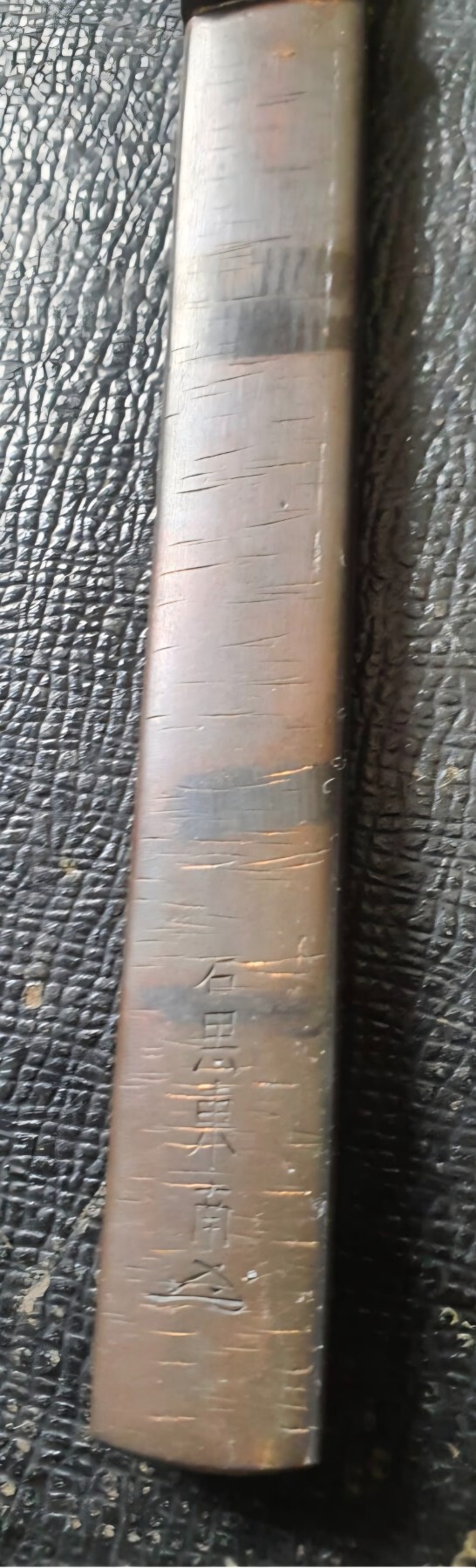
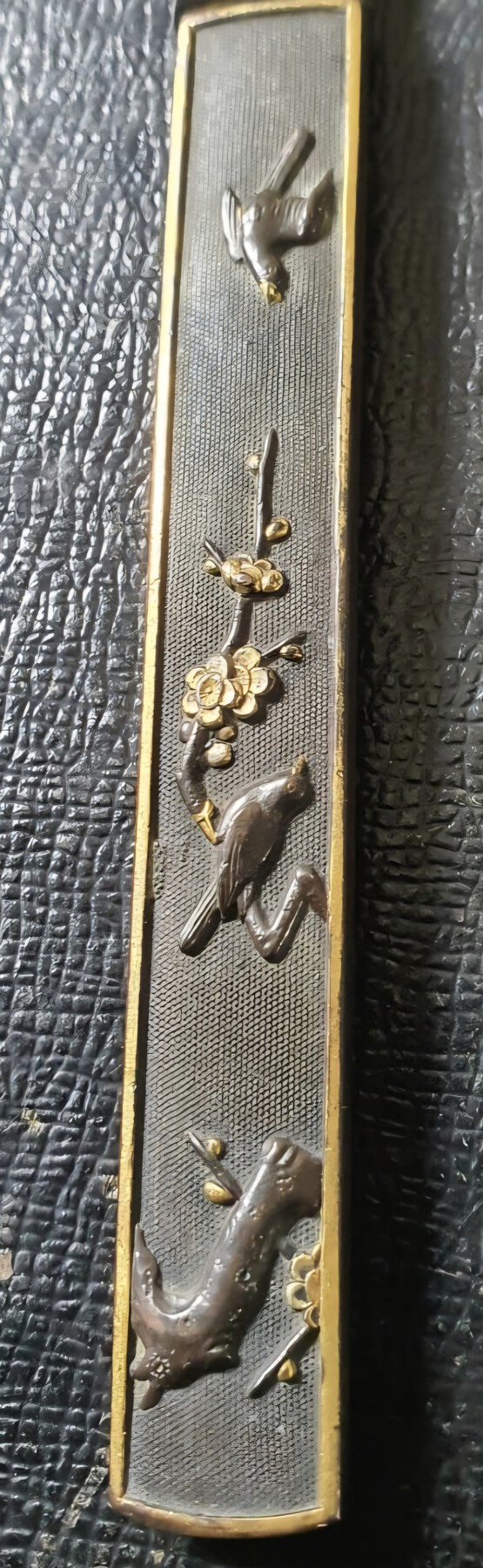
Hi, I have a kozuka signed : 石黒東南 do you have such an artist in your books? Thank you.

-
Piers, you are so fast ! A great thank you ! Thank you also John.. I know that it is so complexe to decypher those kanji...
-
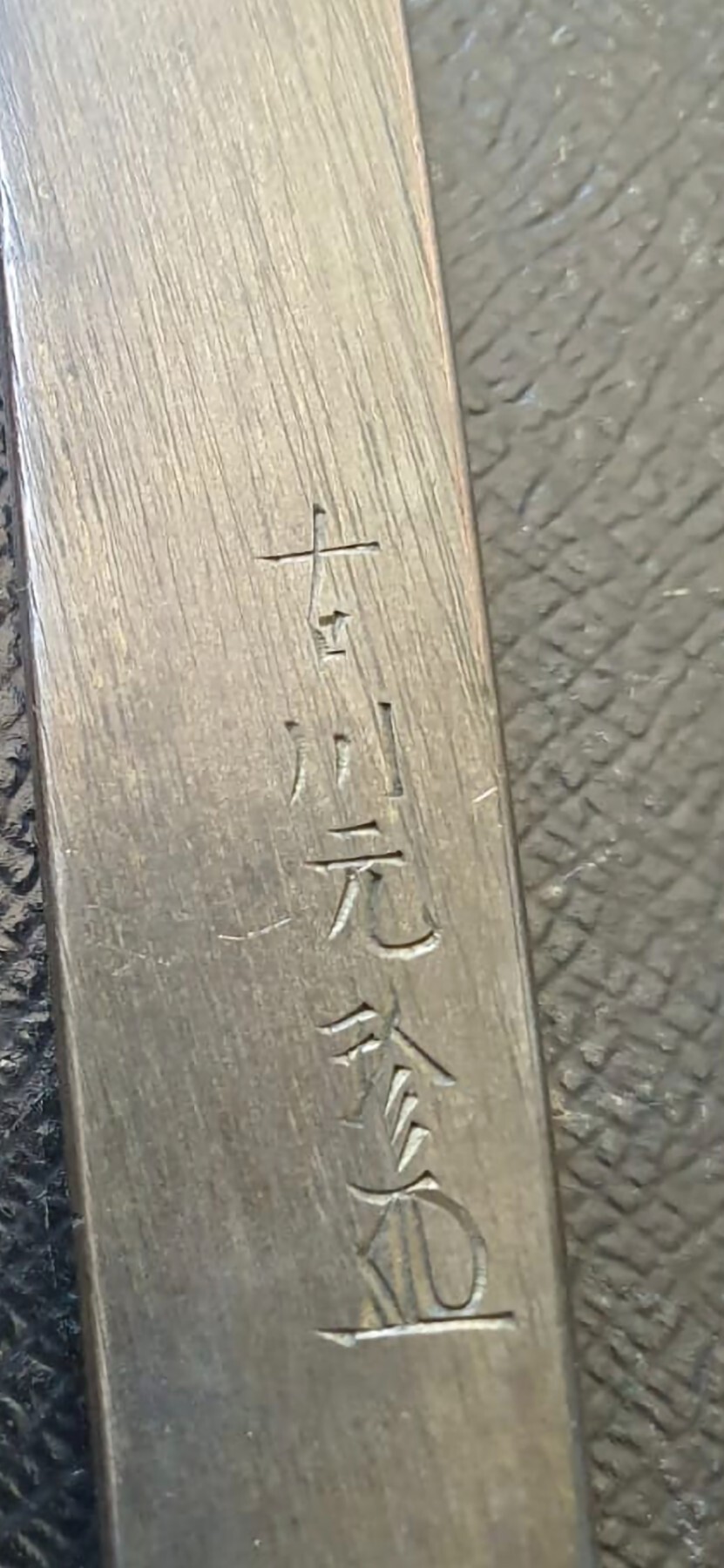
Hello, Dear NMB experts can you please translate this kozuka signature? I can read "Moto" only. Thank you

-
@GRC: thank you for your appraisal , Glen, but all tekkozu on my tsuba make me think it is pre-edo [easy for me as I have it in hands] @Spartancrest: as usuel, Dale, tou bring materials for further studies. Thank you so much.
-
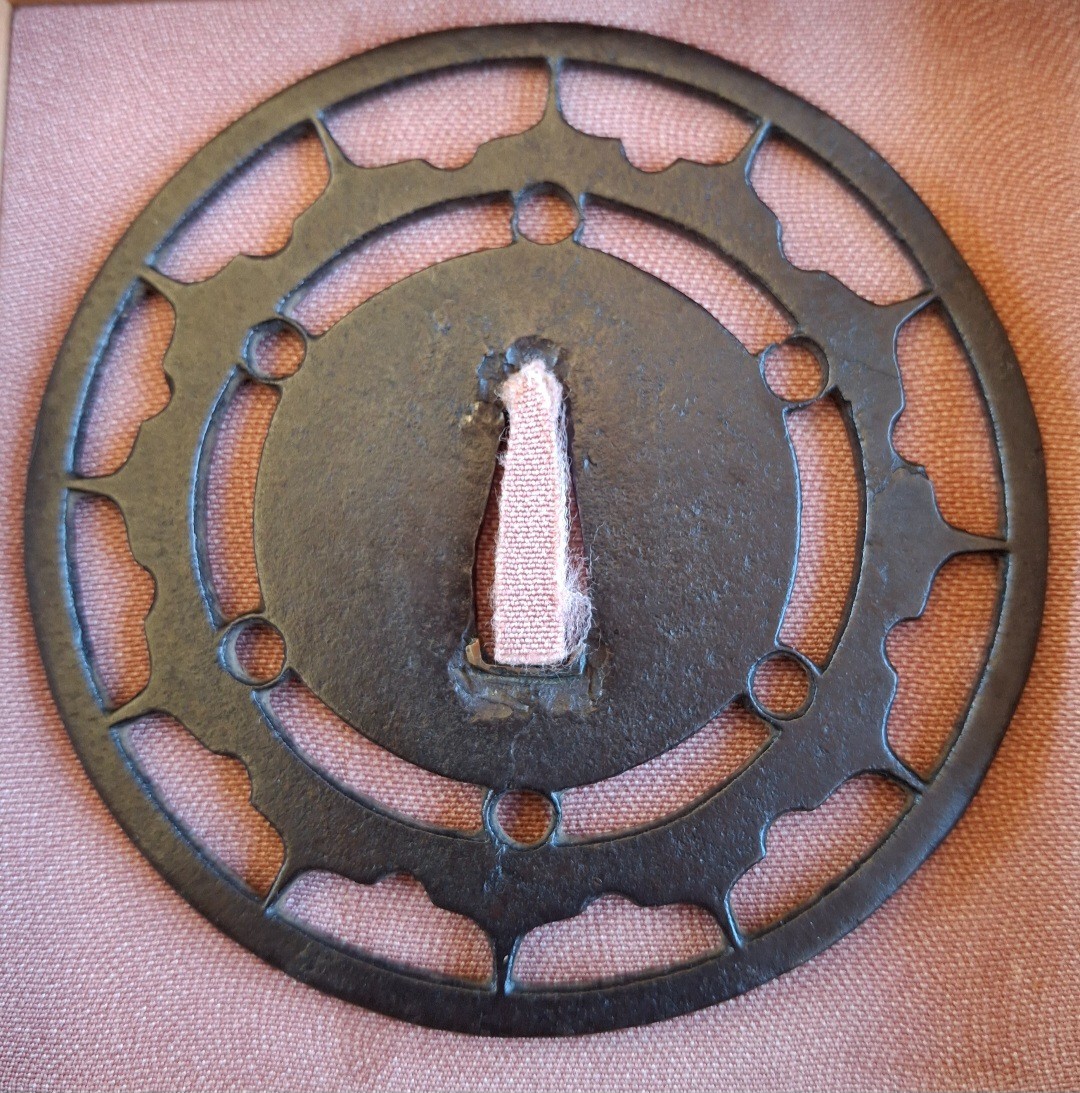
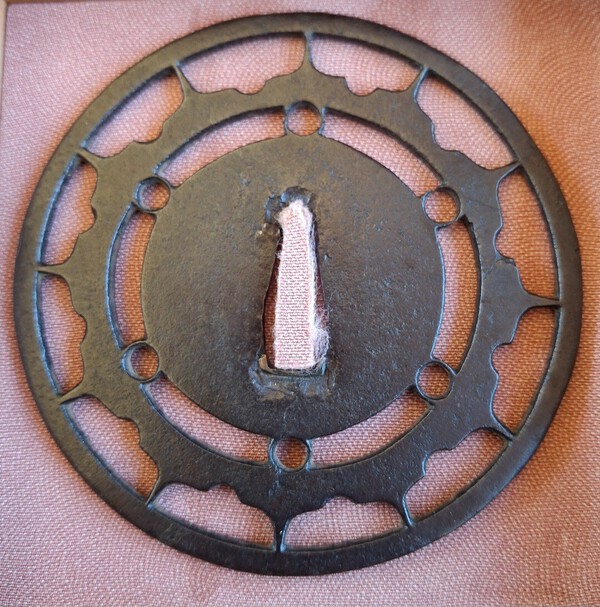
Hi, I have purchased this so called "Ko Katchushi" tsuba at a flea Market in Tokyo and was wondering if it dated from Momoyama or Muromachi aera? What are your views? Thanks
-
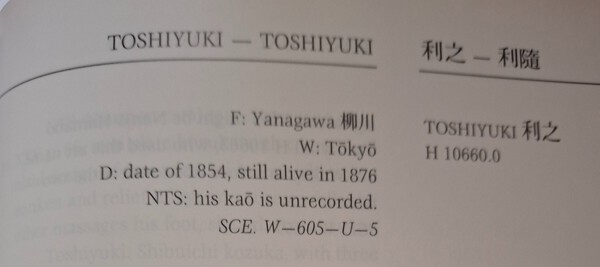
Seen on Haynes
-
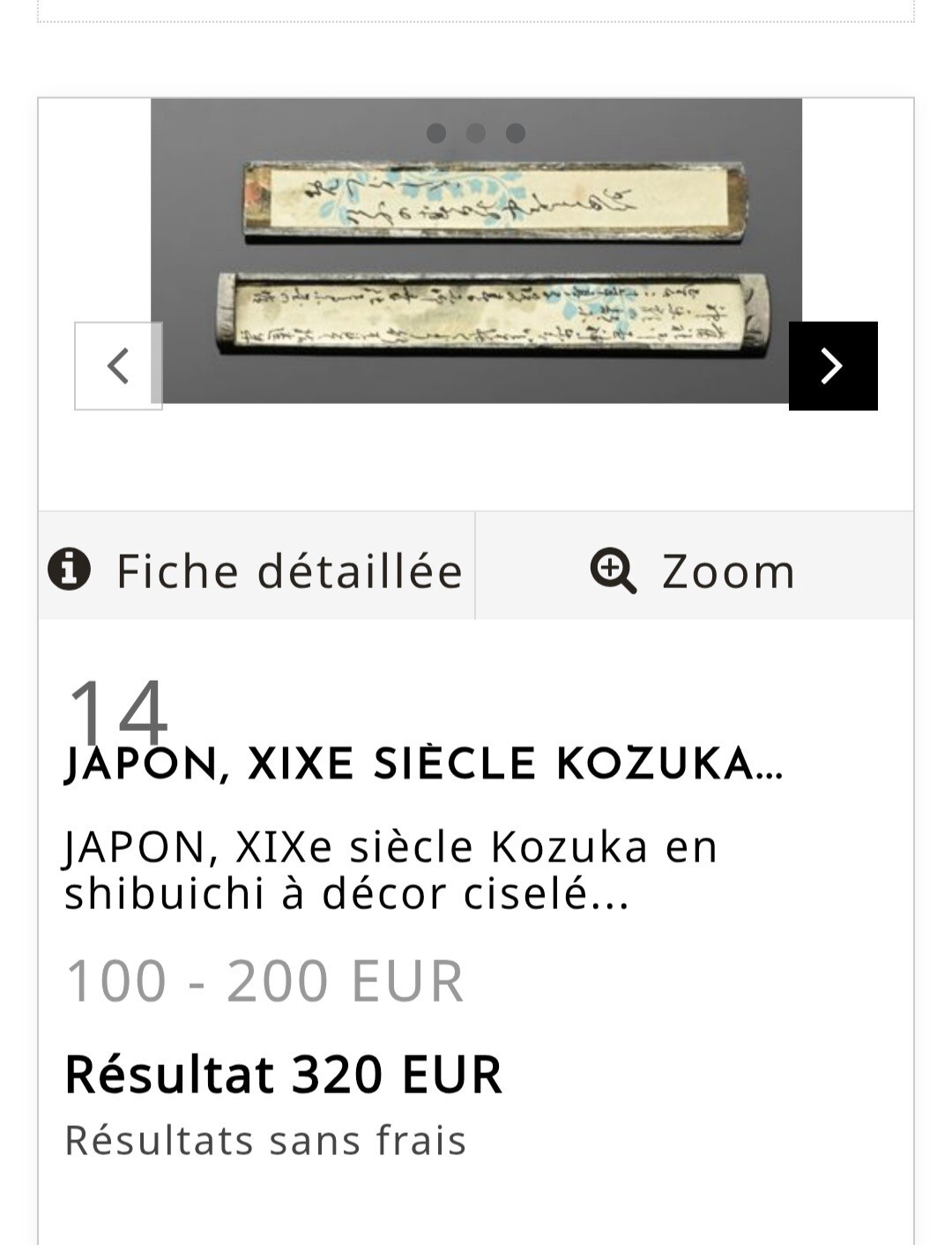
Sold at a french auction march 11.

-
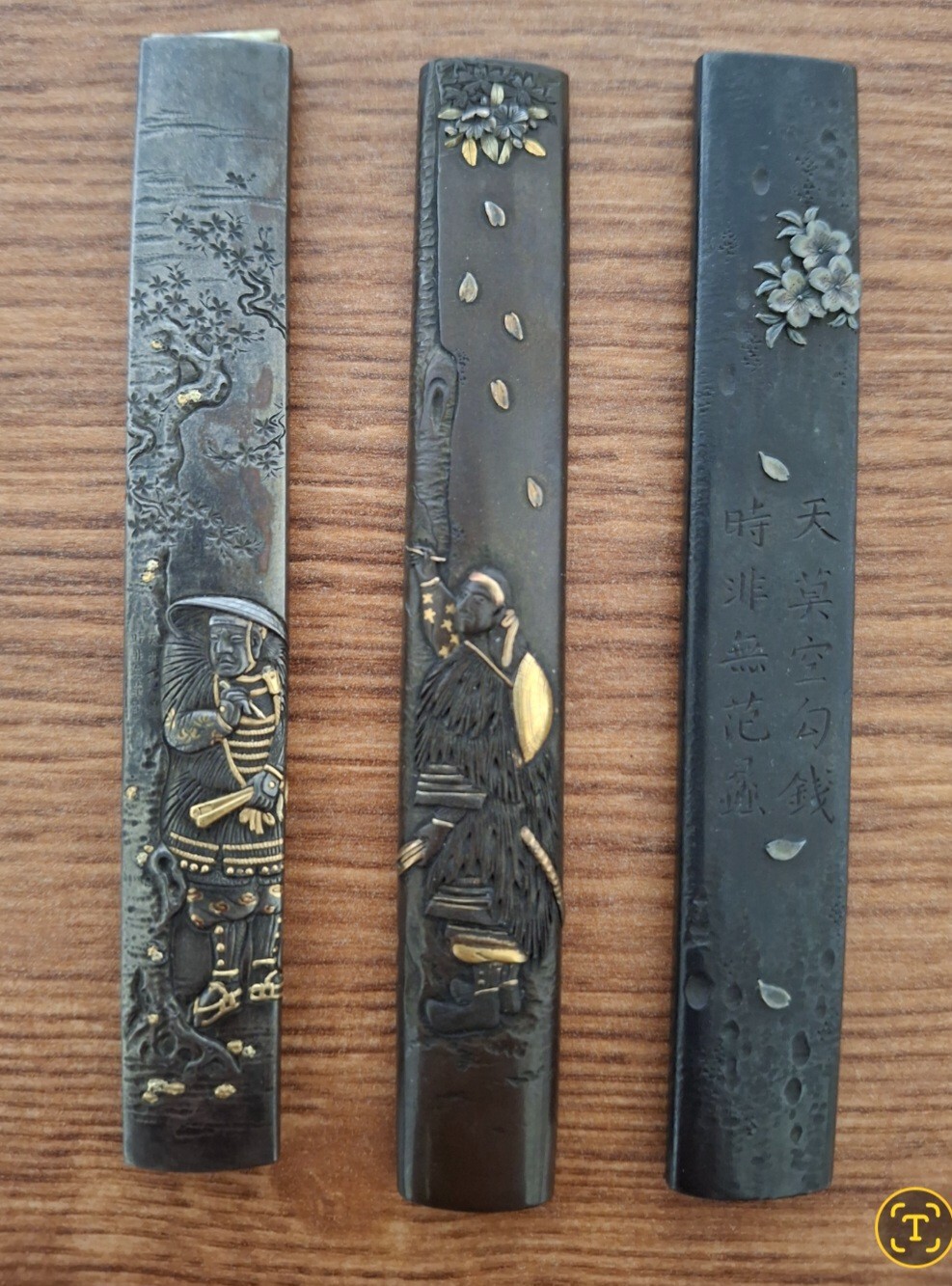
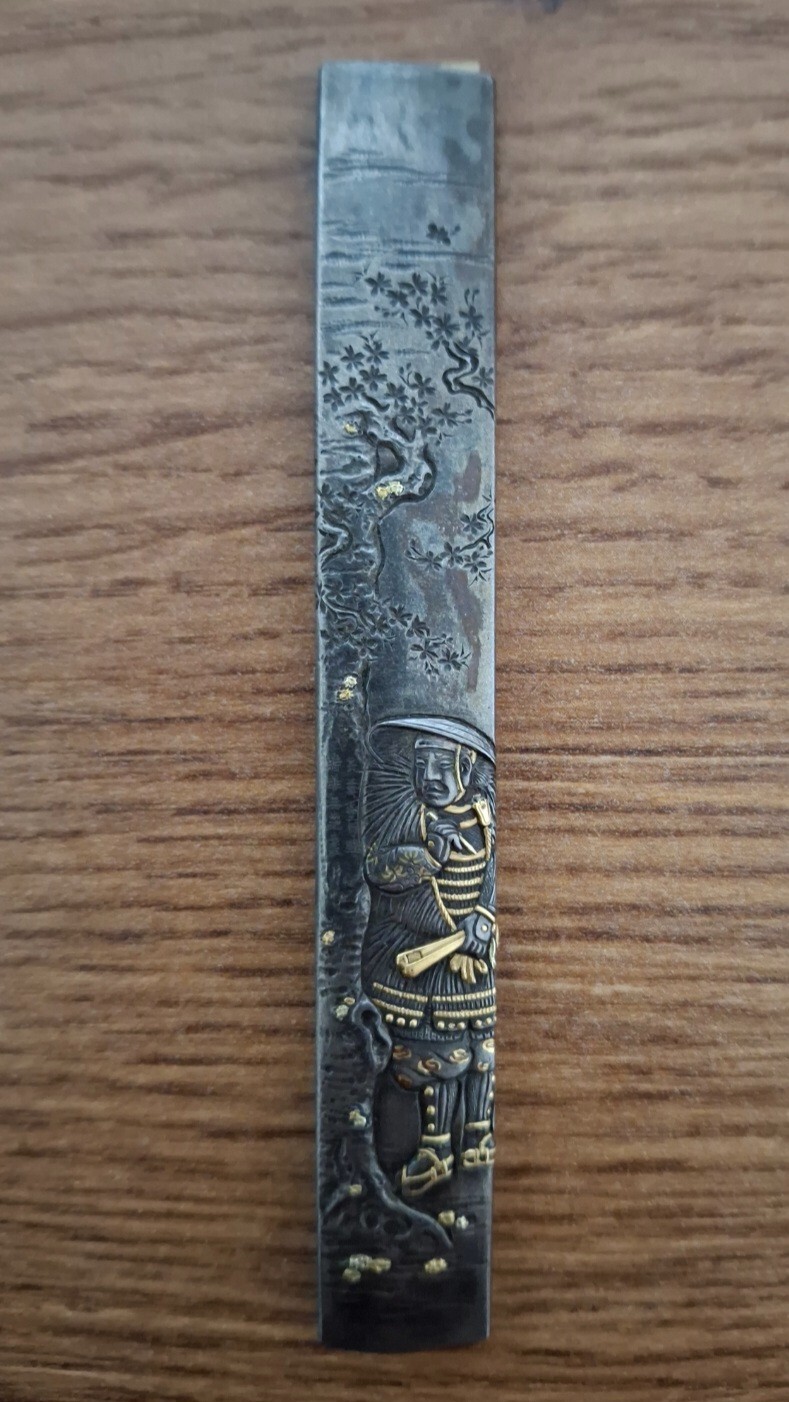
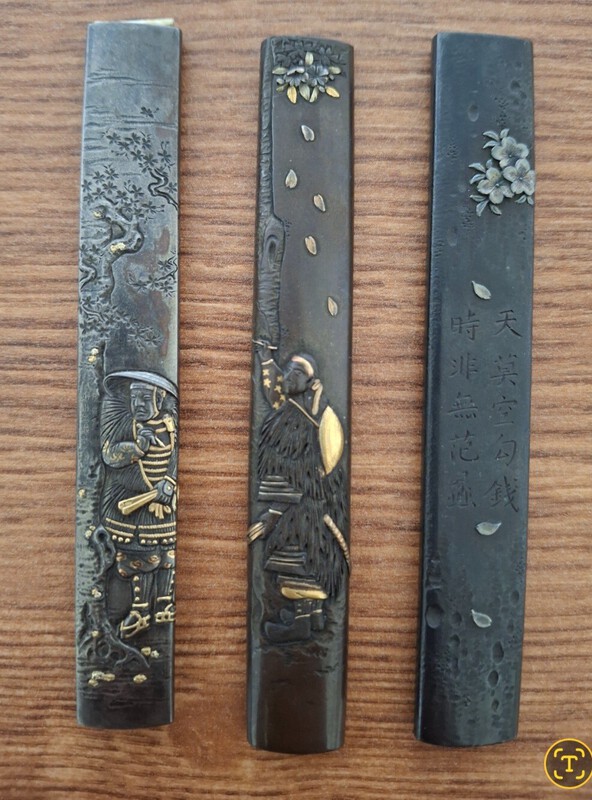
Yes indeed Mauro. In fact it is my third kozuka with the same topic! ( from Internet: Lovely scene of the warrior Kojima Takanori kneeling beneath a cherry tree, having just written a poem on a tree's trunk. Takanori was a loyal supporter of the exiled Emperor Go-Daigo, and attempted to rescue him while he was being transported to a remote location. The samurai was able to sneak into the camp, but could not reach the emperor, so according to legend, he carved a poem of encouragement in Chinese for the emperor on a cherry tree. In the morning, the guards found the poem but could not read Chinese, but the emperor could, and was heartened by the message. A shower of delicate petals falls down over him in the cool evening breeze, and a full moon glows softly overheard.)

-
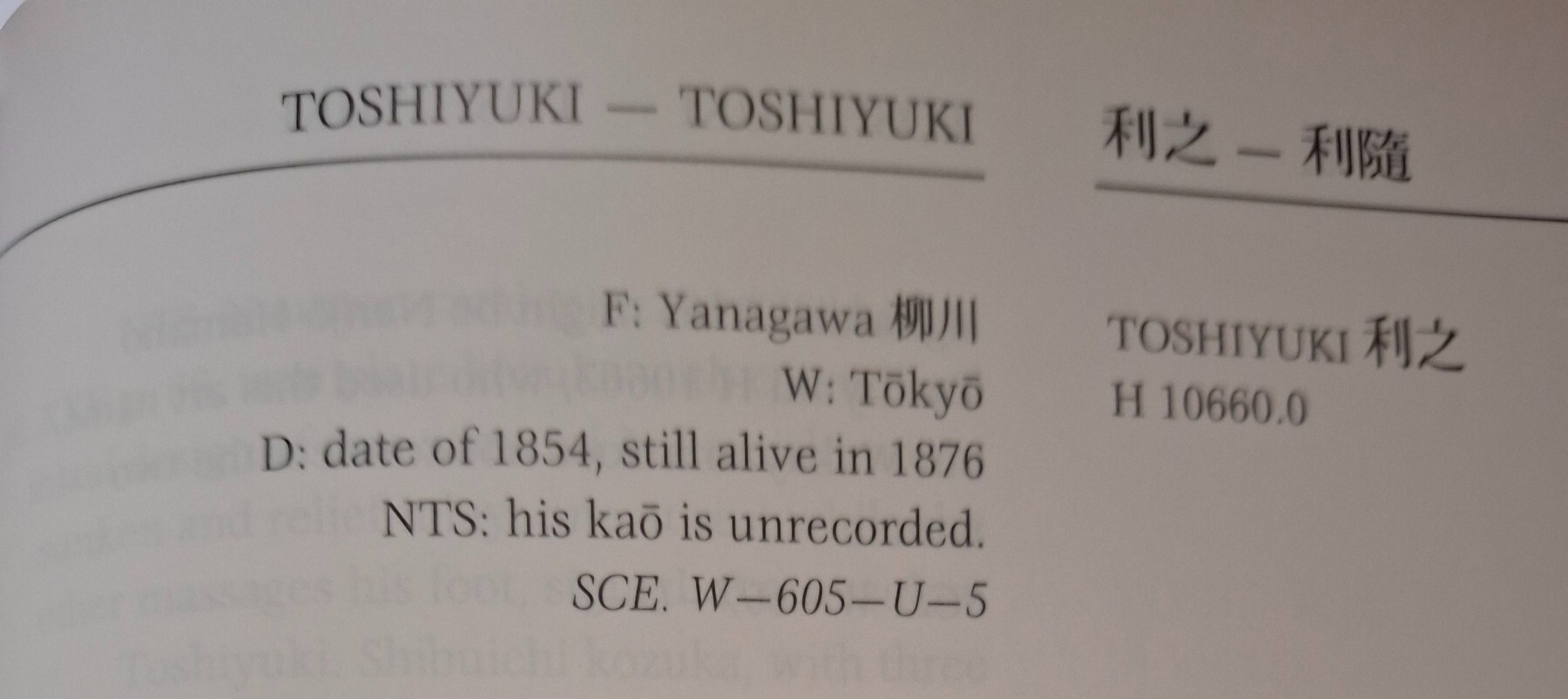
Sorry to reopen such an old thread more than 13 years after the oldest post but I wanted to share this kozuka I recently purchased. It is signed Aki Masa [Haynes 00041.0].


-
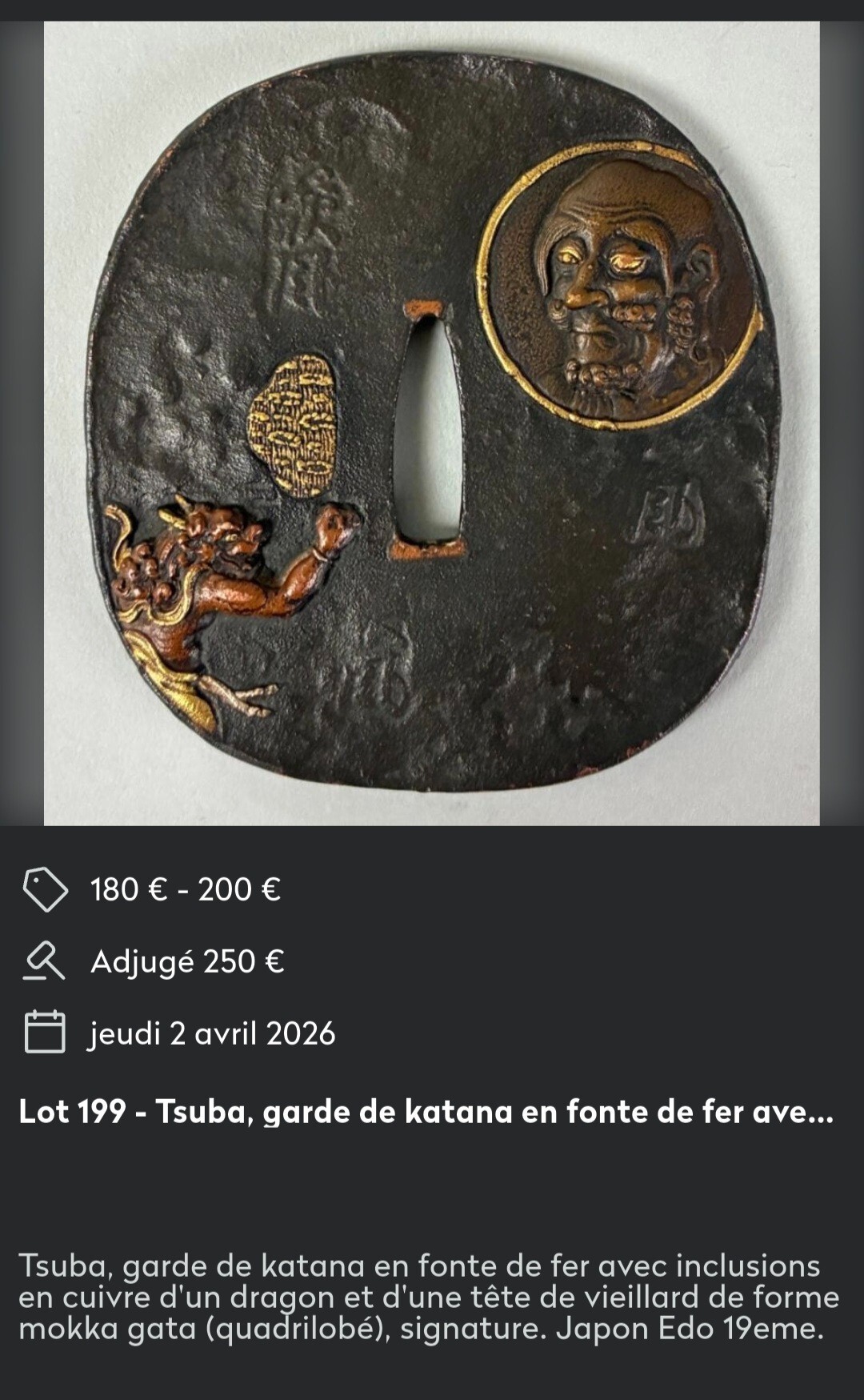
Another joke today at a french auction: https://drouot.com/fr/l/32904861-tsuba-garde-de-katana-en-fonte-de-fer-avec-inclusions-en

-
 One of mines with a Kogai ana cut in a shakudo plug of an original ana.....
-
Thank you so much Moriyama San
-
Thank you in advance for this yanone mei translation

-
275 euros or 320 US dollars is my new price.
-
Here it is......


- 41 replies
-
- 11
-

-

-
Sébastien, I' ll tend to see a Tengu on your kozuka[天狗].
-
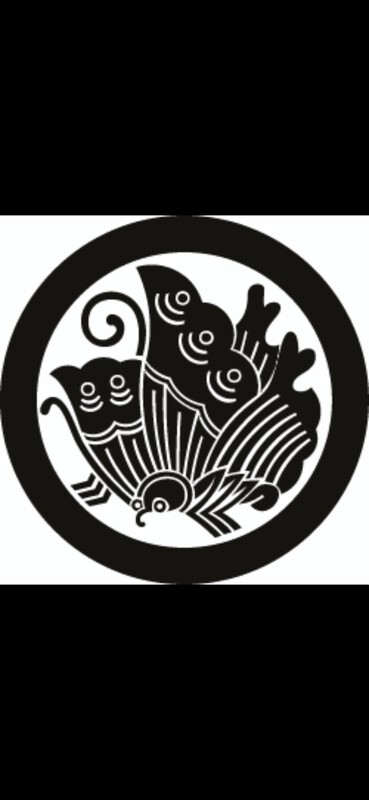
Mark, welcome to NMB. Your tsuba design is a kamon (Family crest) - agehacho kamon [Taira Clan]
-
Robert, the iron used for this namban tsuba is really of poor quality as the majority of these end of 19th century tsuba. Difficult in fact from a single picture to determine the building process of it. Anyway I liked the mixt of dragon and juzu in quite a large pièce [8cm].
-
Unfortunatly, this tsuba I do own is not cast! [I invite you in France to verify]
-
Thank you all of you for your kind comments.
-
I recently purchased this namban tsuba representing dragons within what I guess being juzu (boudhist rosary). Do you agree with me ? Thank you for your views.