Kurikata
-
Posts
1,443 -
Joined
-
Last visited
-
Days Won
4
Kurikata's Achievements






-
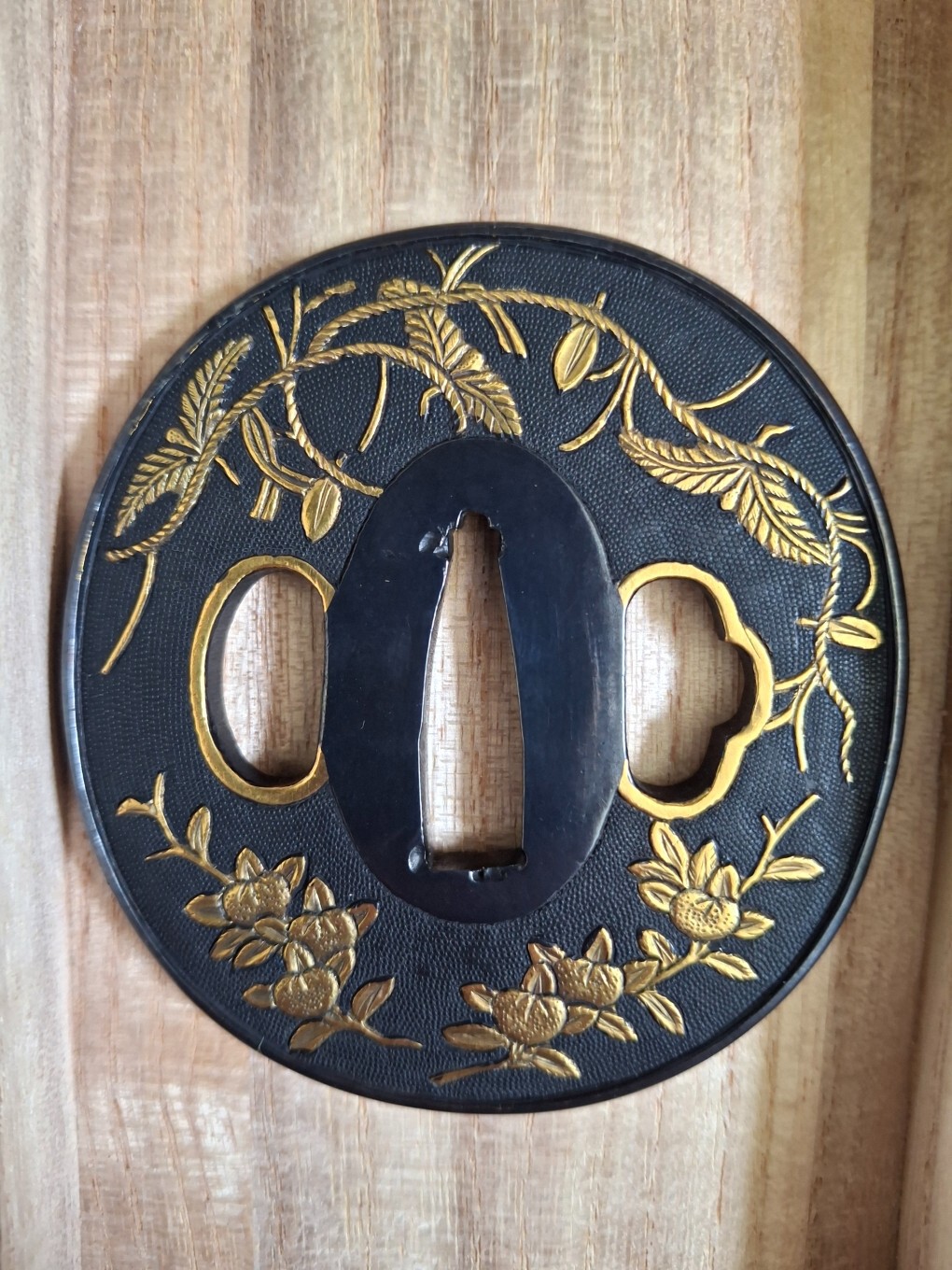
Dale has counted well --> 10 tsuba are partially or totally present on the plate
-
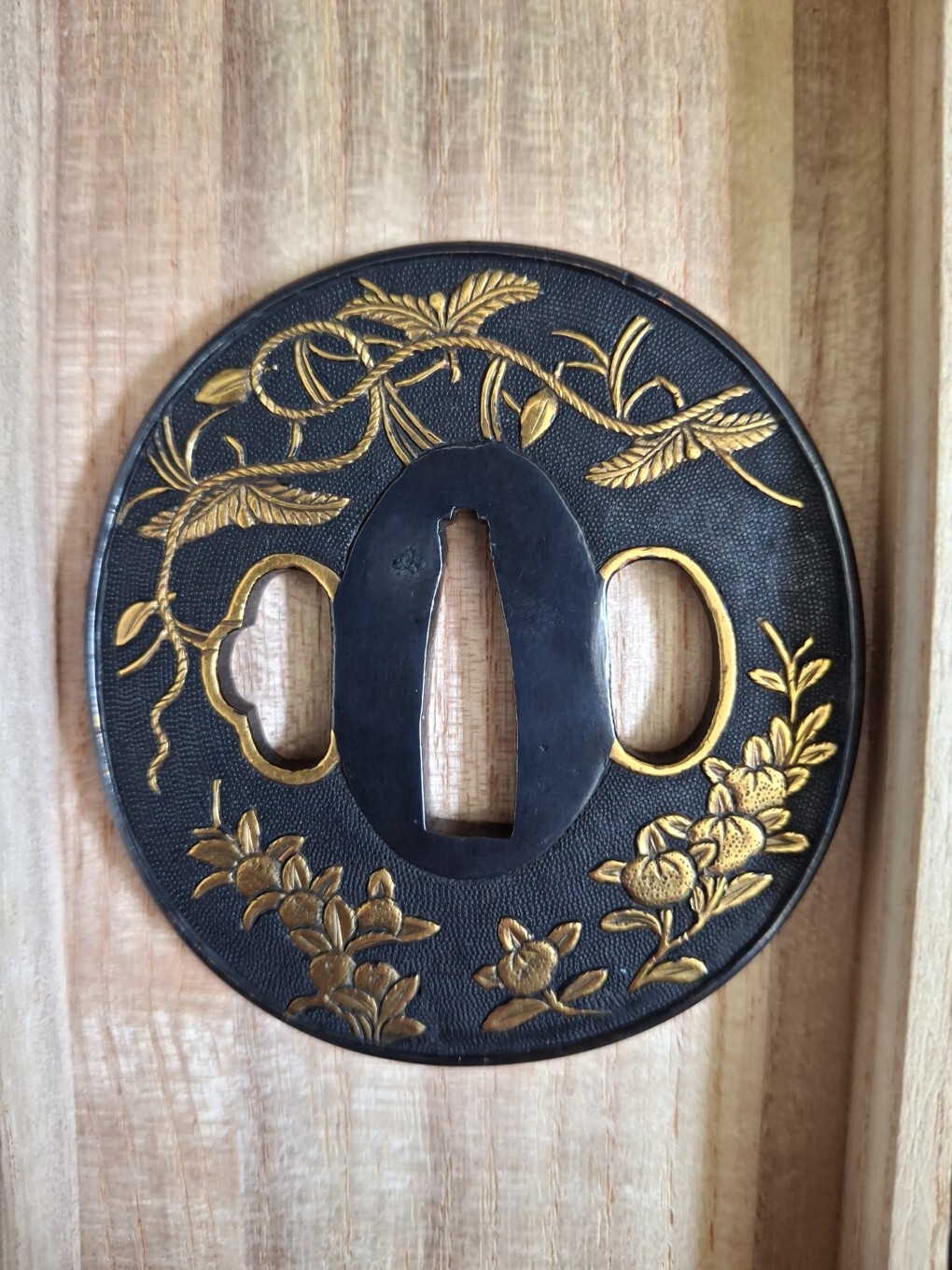
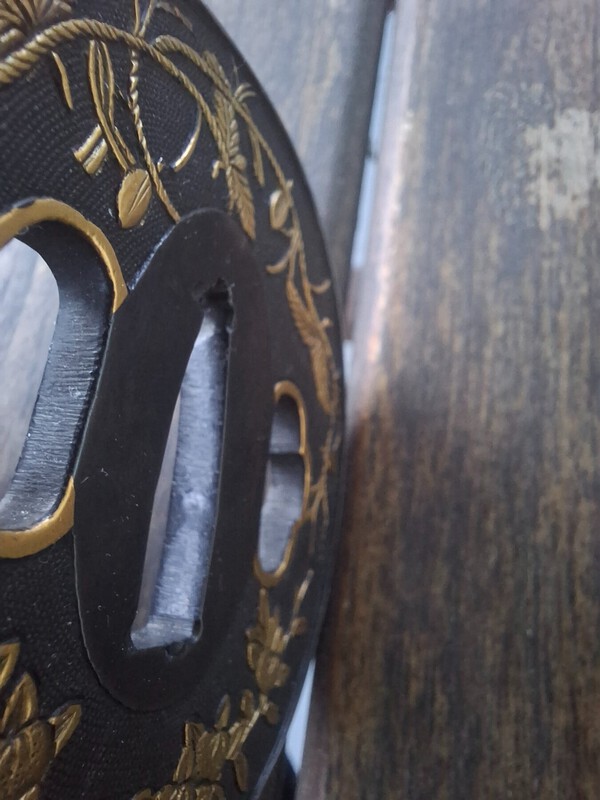
Hi Colin [@Matsunoki], Here it is..(in my opinion, this tsuba has been mounted).

-
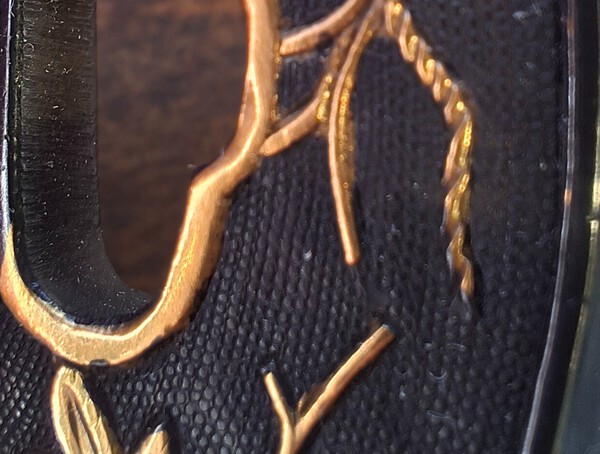
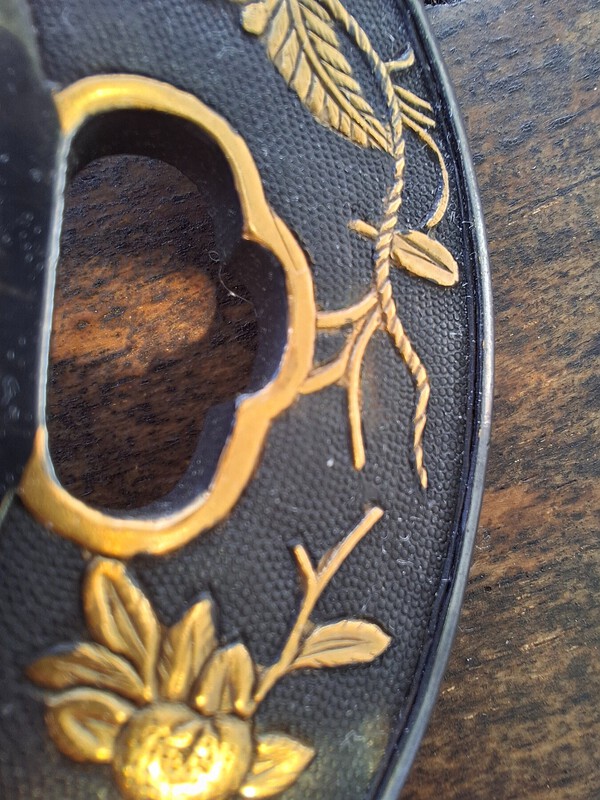
Dear Calabrese [@Hokke], I have done my best !
-
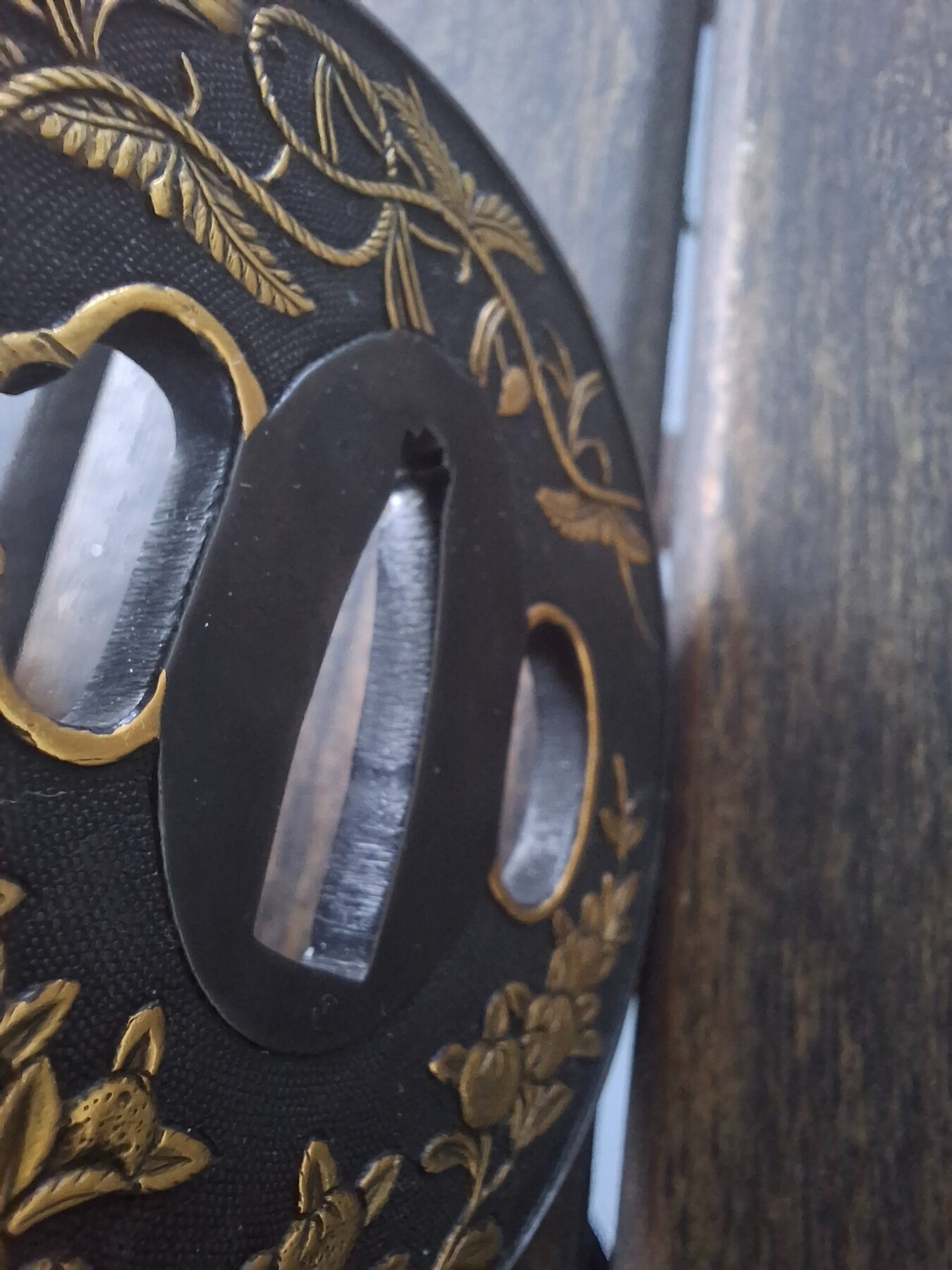
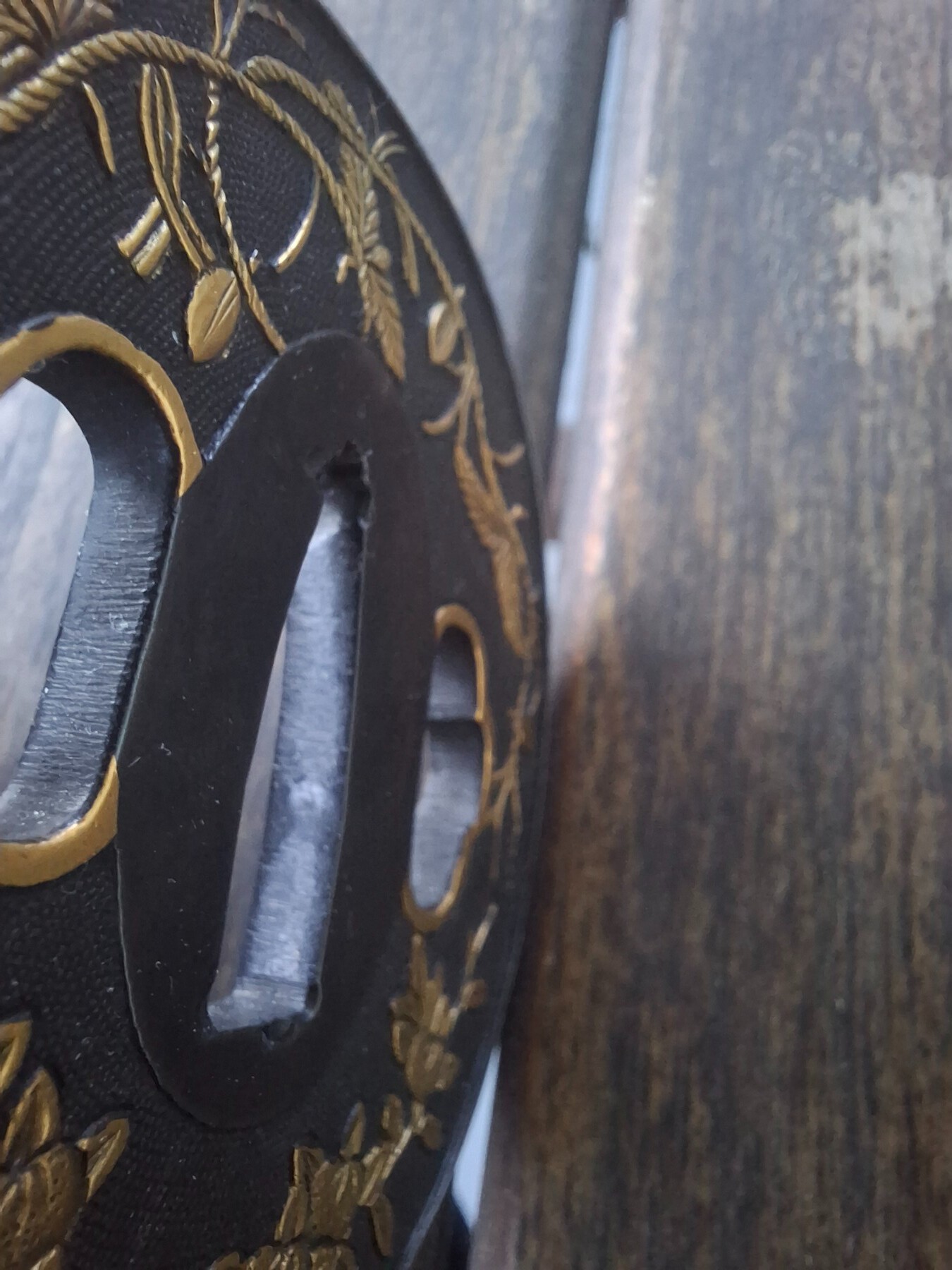
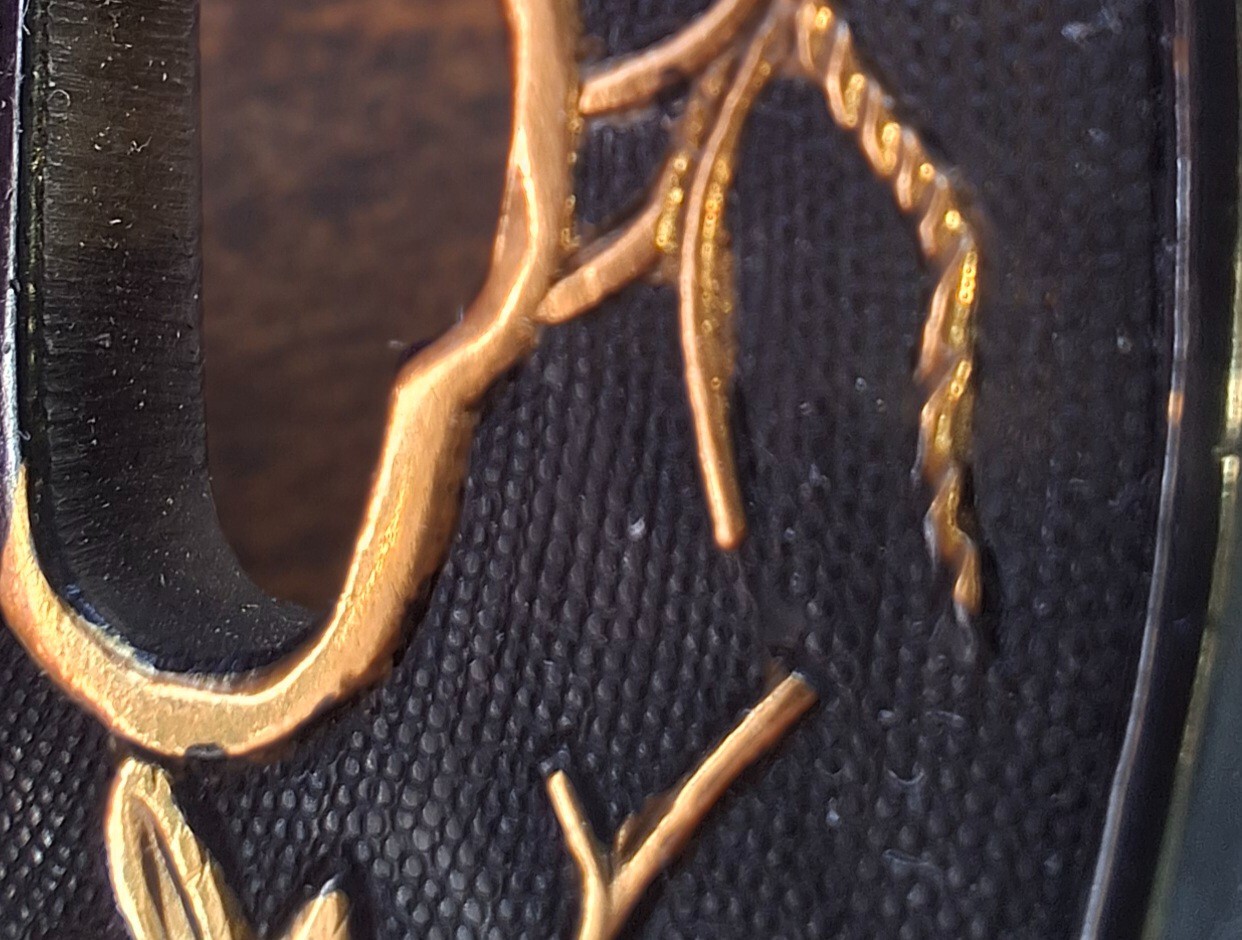
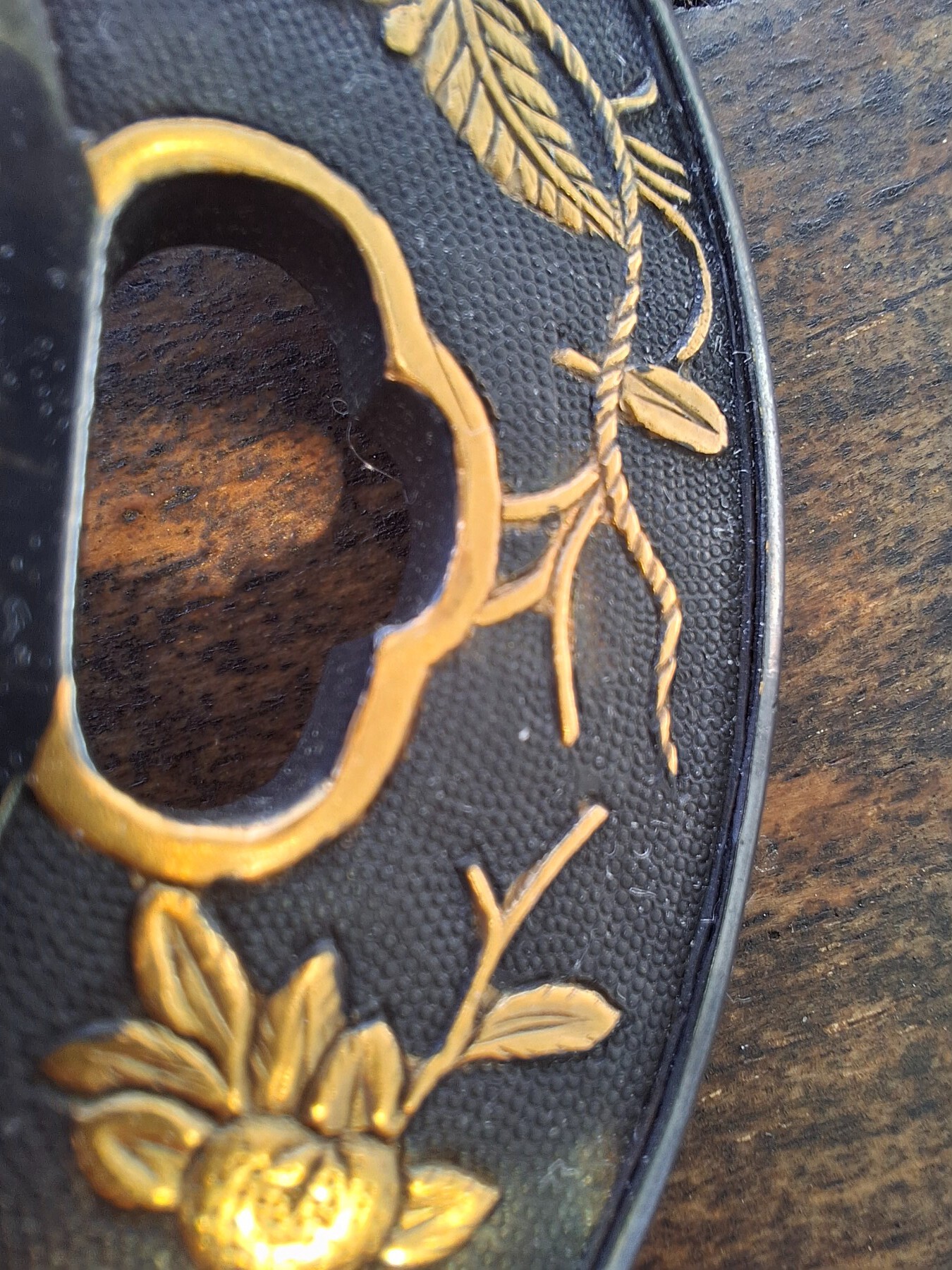
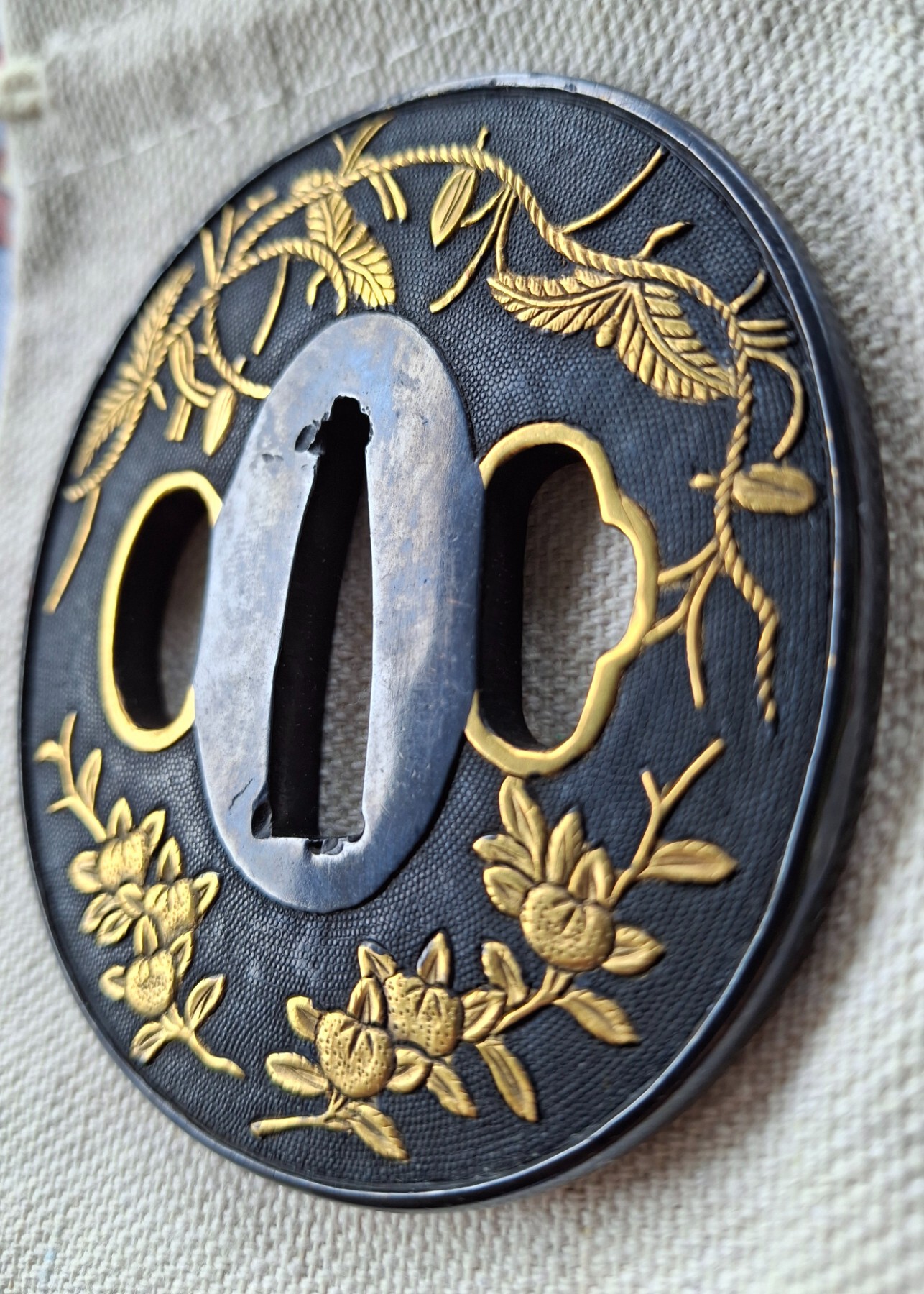
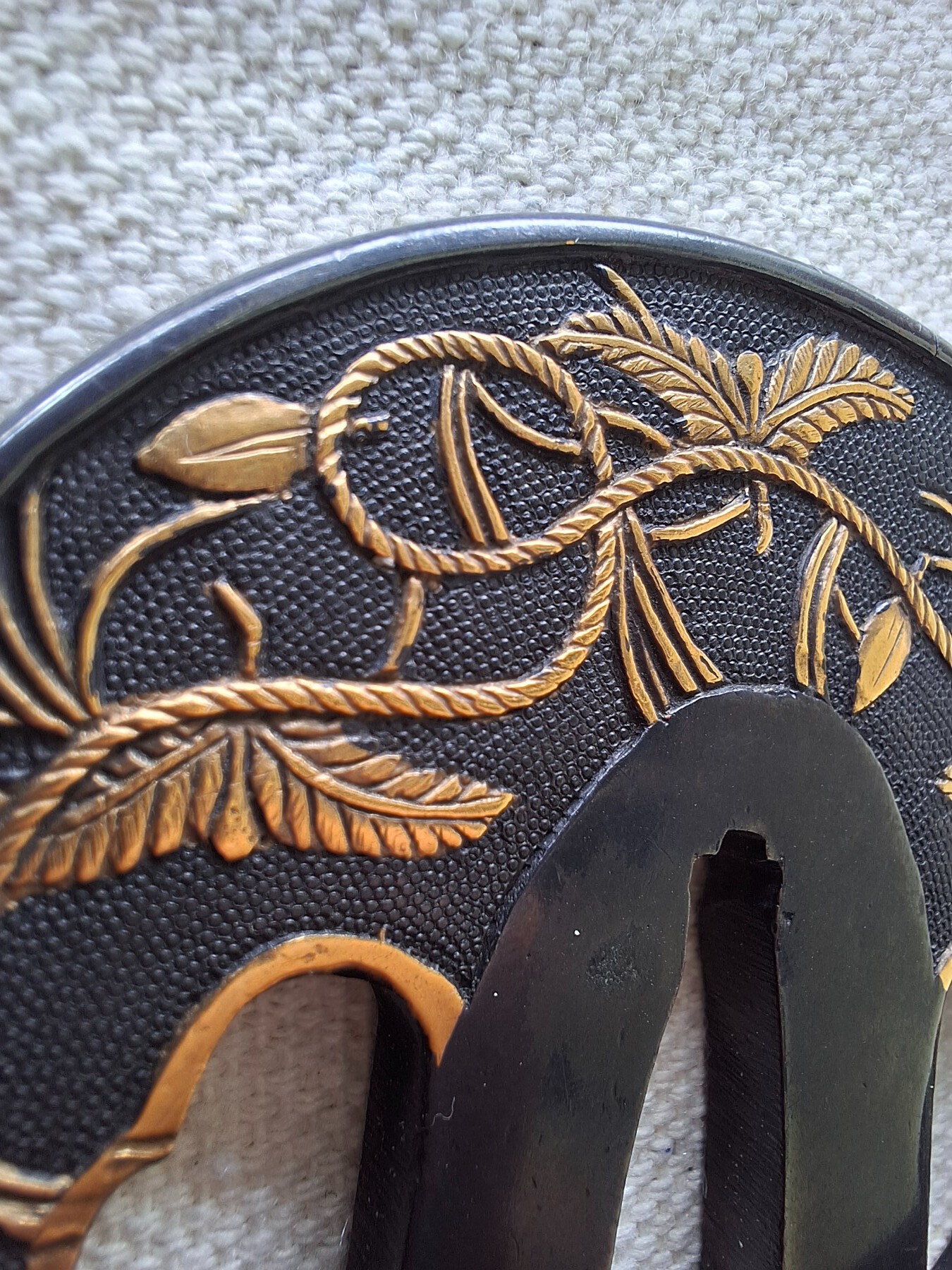
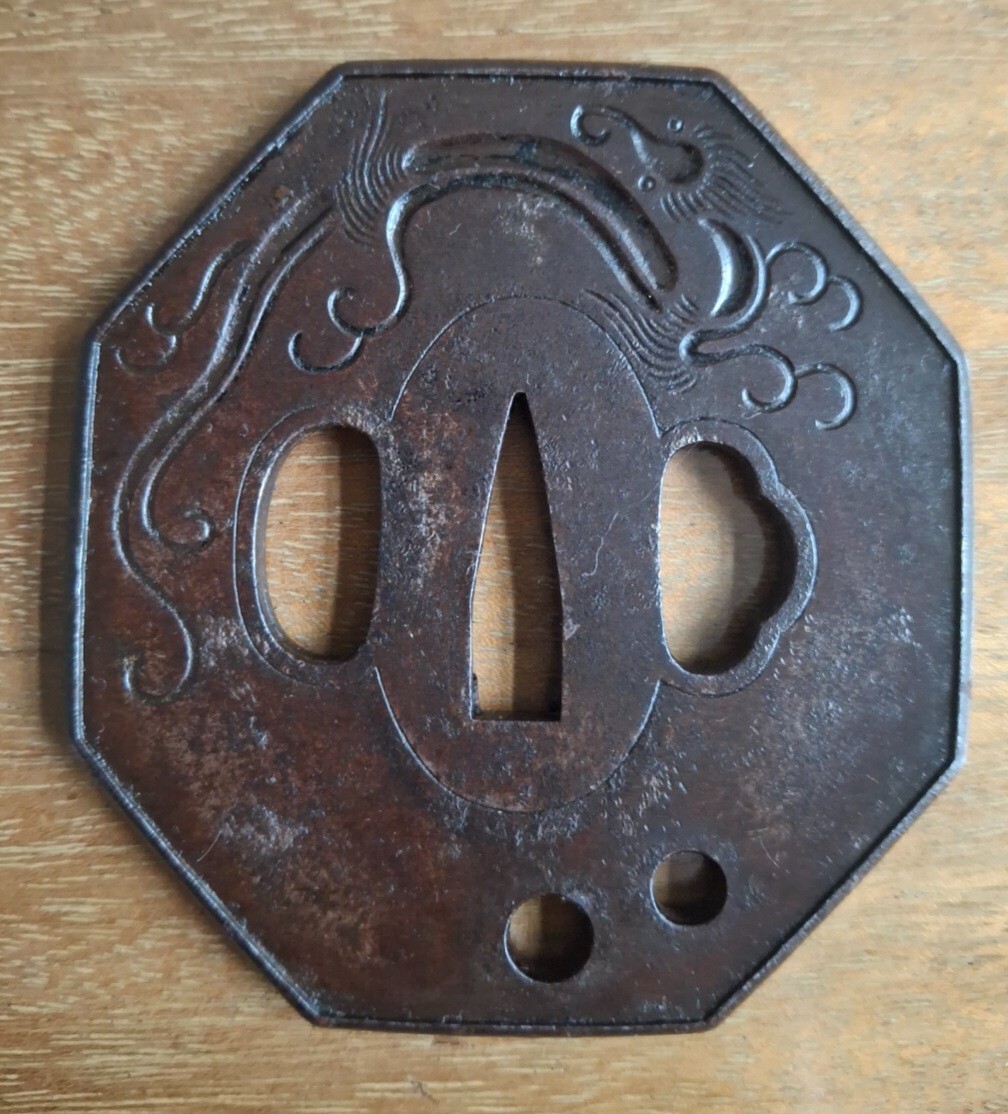
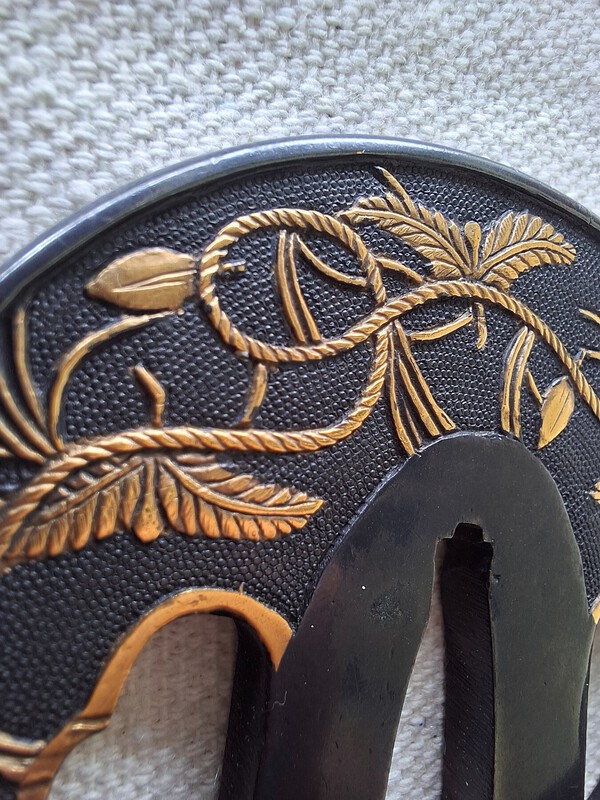
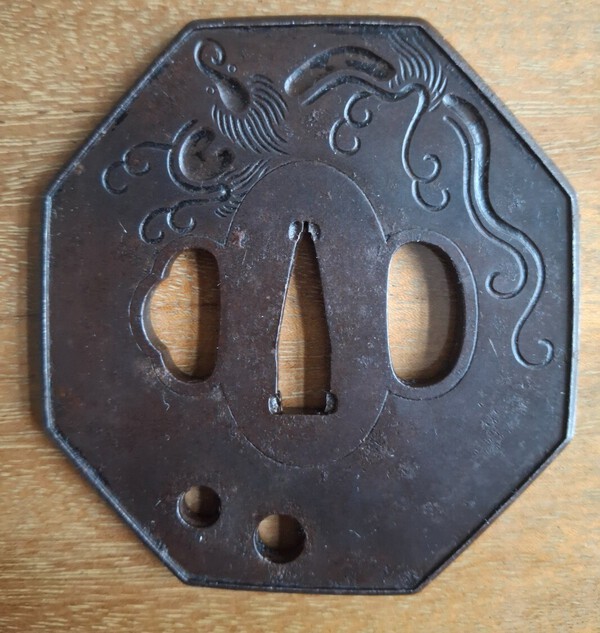
Thank you all of you for the time spent to analyse the pictures of my tsuba. I have to admit that providing an opinion with two pictures is quite a difficult exercise. As a summury (and because I have the tsuba in hands): - late edo [end of 19th century) - dark shakudo with an average nanako patern - light signs of usage around the sepadai - design is not common (tachinaba and strow ropes) Please let see herewith more pictures as all opinion are warmly welcome [even if I do not avoid the fact that a modern tsuba is not excluded)

-
Hi NMB experts, I think my new mumei tsuba might be classified as a Sendai Kiyosada school exemple (shakudo with gold inlays and specificlly gold around the hitsu ana). What are your views ? Thank you
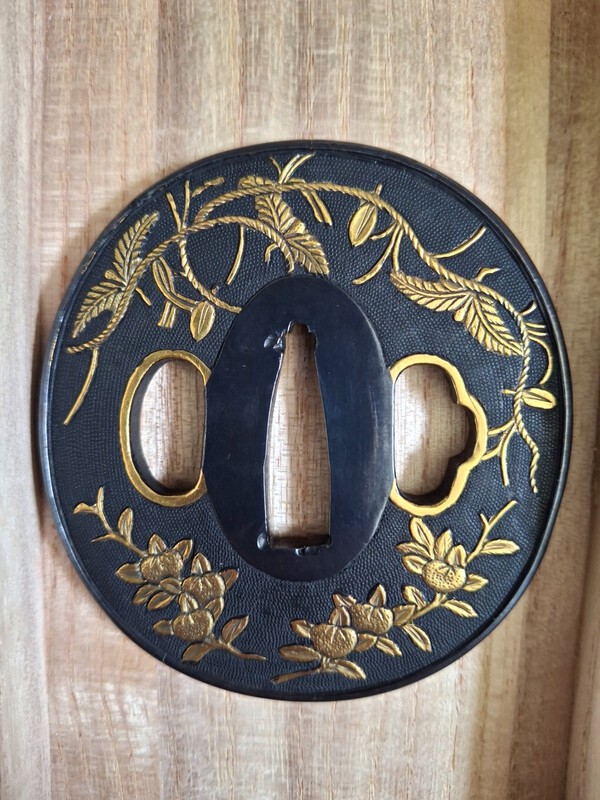
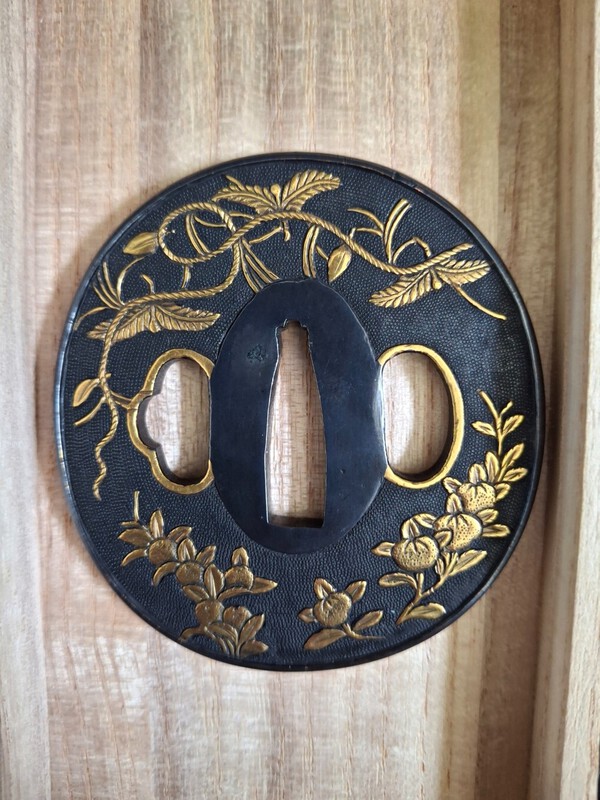
-
Hello Rob, You'll find lot of them in this thread:
-
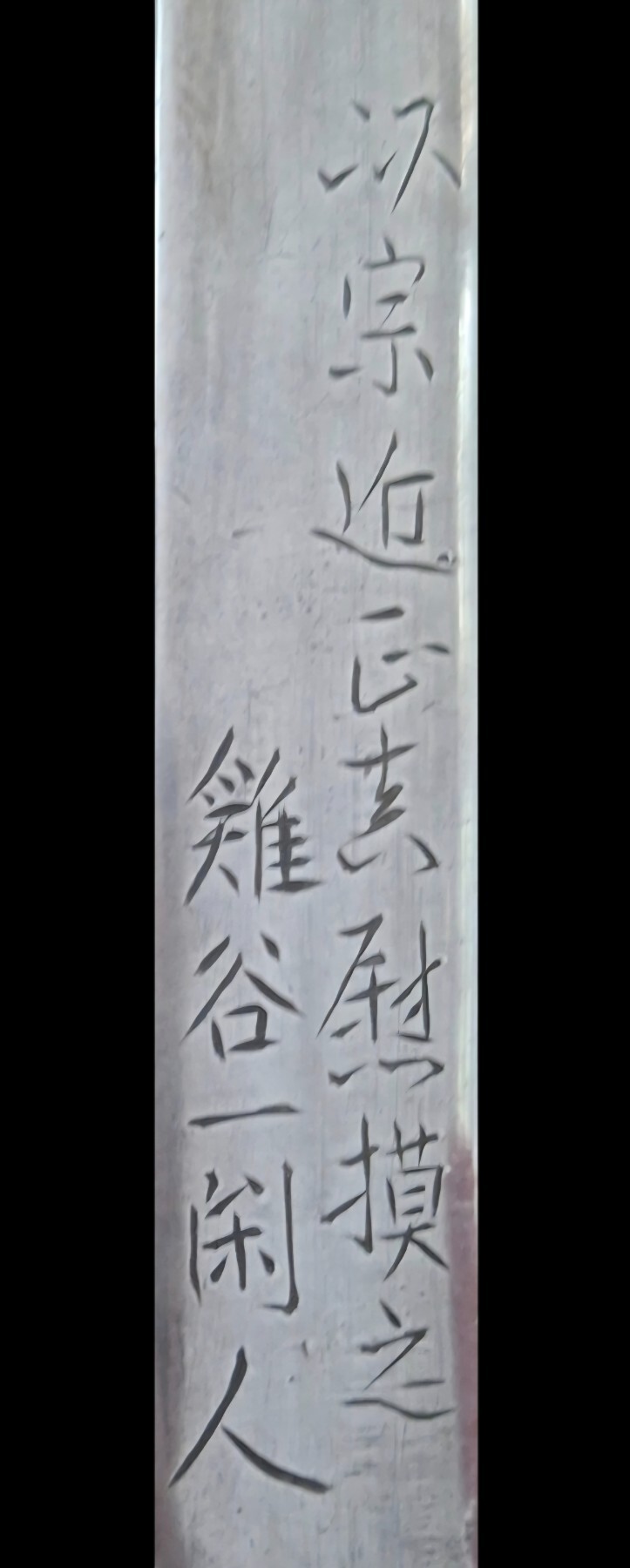
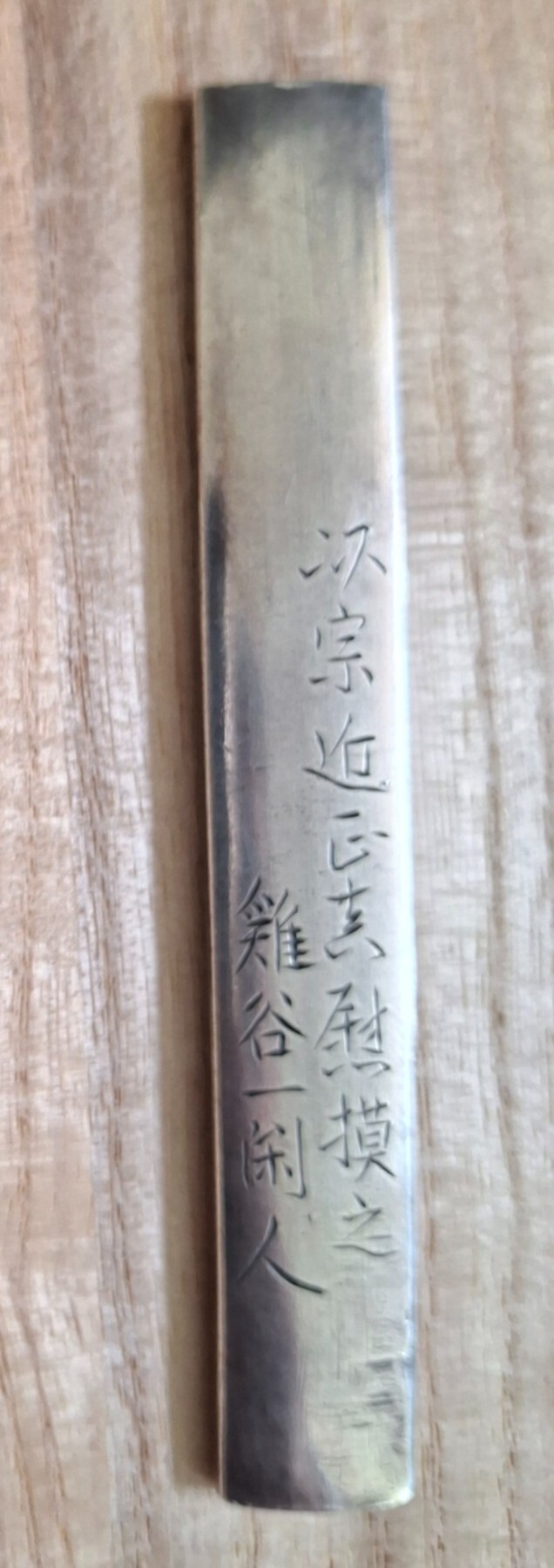
Thank you Babie Joe for you efforts. As you mention some doubts regarding these kanji ans their meaning, I requested some help from meta AI which states: Here’s what the inscription says, read top to bottom, right to left: *次宗近正真模之* *雞谷一閑人* Translation *_"Copied from a genuine work by Tsugumunechika. Made by a leisurely person of Keikoku."__ Breakdown - *次宗近* `Tsugu Munechika`: Refers to a swordsmith copying the style of *Munechika* 宗近. Munechika was a legendary Japanese swordsmith from Kyoto during the Heian period ∼10th century, part of the Sanjo school. "次" often means "the next" or "second generation". - *正真模之* `seishin mo kore`: "Faithfully copied from a genuine/original" - *雞谷一閑人* `Keikoku ikkanjin`: "A leisurely/idle person of Keikoku". - *雞谷* Keikoku is likely a place name or studio name - *一閑人* ikkanjin = a common self-effacing signature used by artisans meaning "a person with spare time"
-
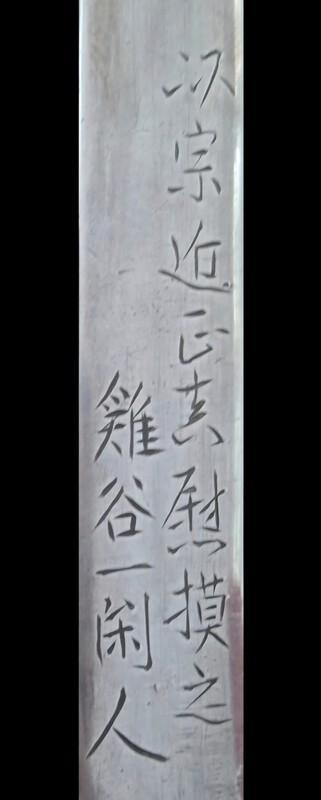
-
Dear NMB experts, I need once again your help to decypher this kozuka mei. Thank you for your help. Bruno
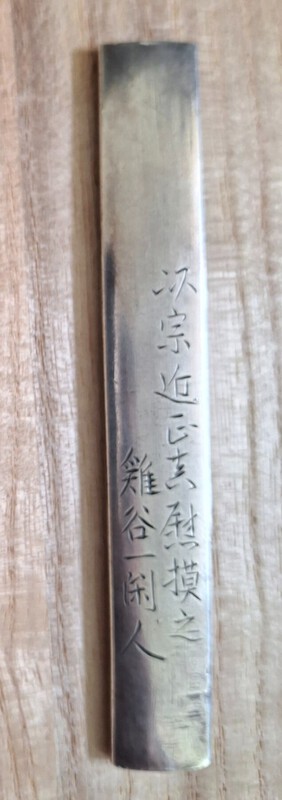
-
-
My two cents: due to the kin zogan mei, probably a tsuba of the tetsugendo school.
-
Thank you Baby Jo! I know that the outide sticker is a real challenge to be translated!
-
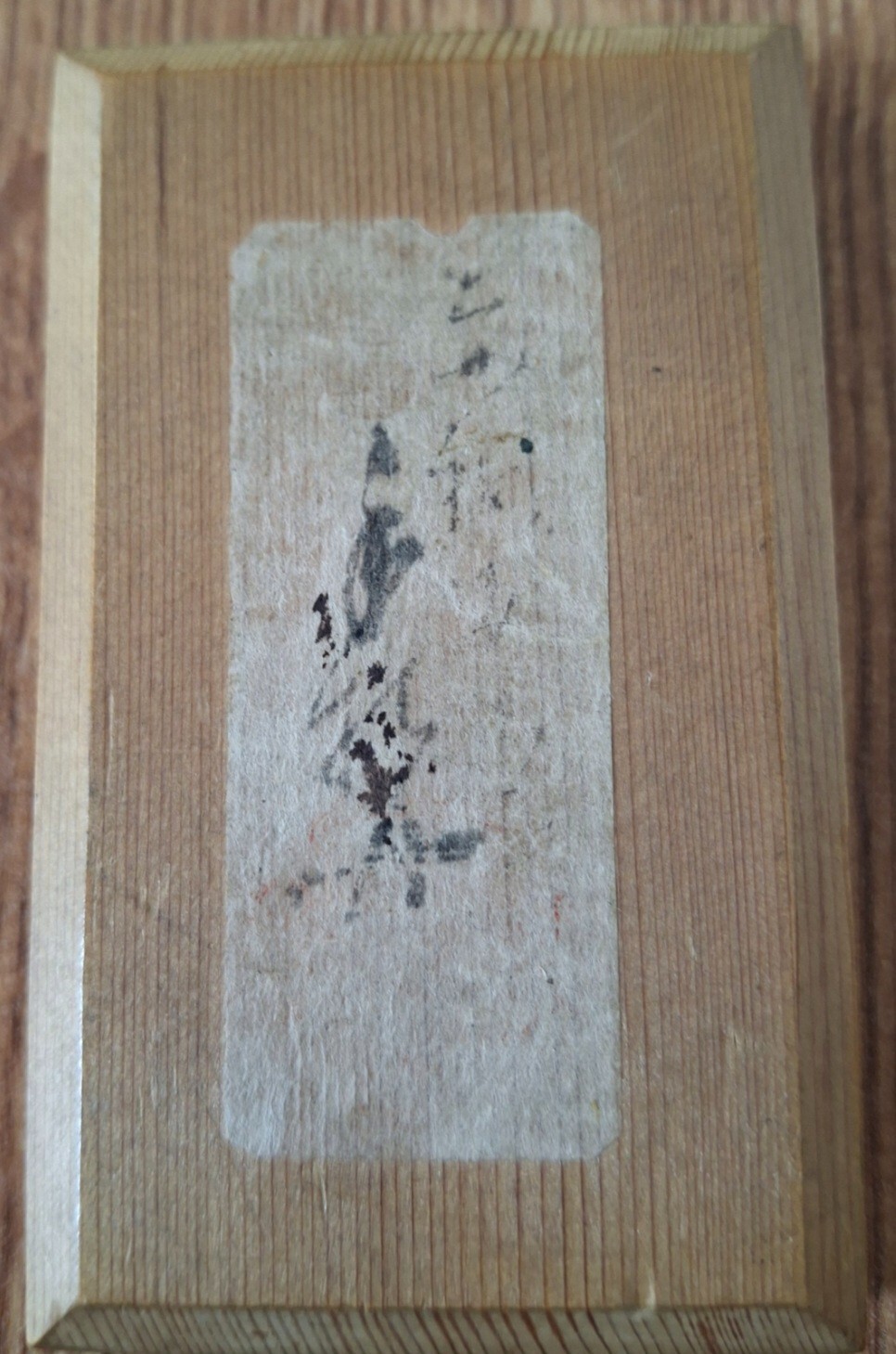
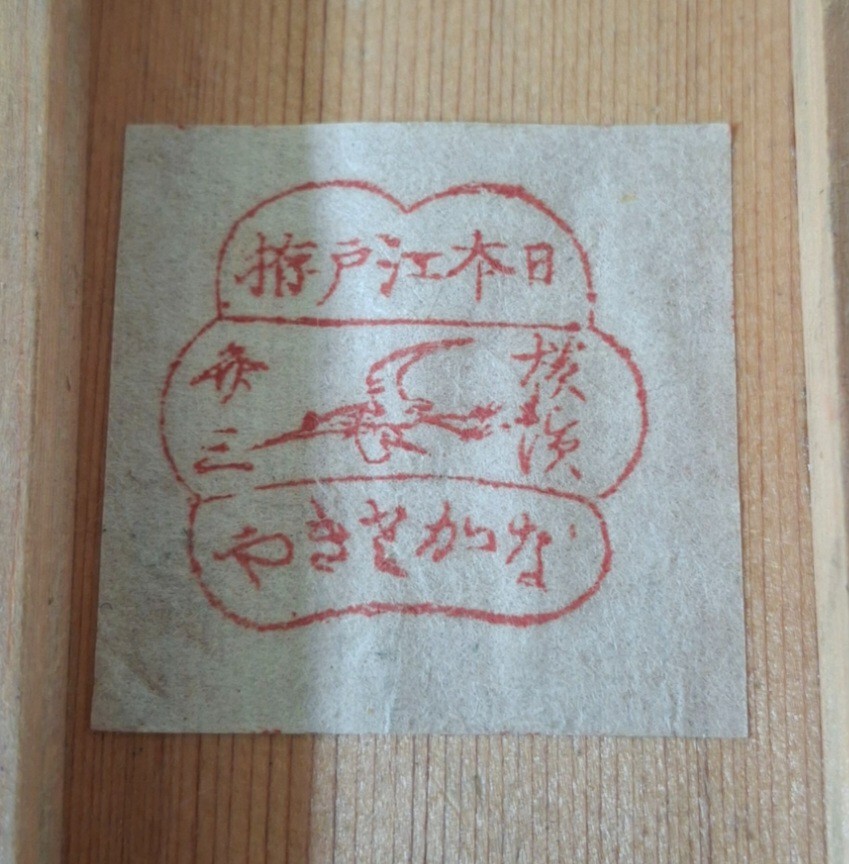
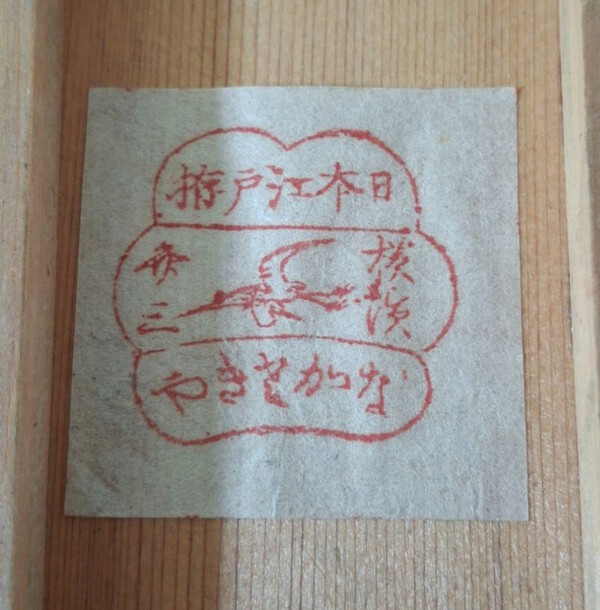
Dear NMB translators, I have to admit that the task is almost impossible to translate the outside sticker of this box due to old age. The inside sticker might be either to decypher. Thank you for your help.

-

-
Hi Luca, I juste remenbered (I am getting older and older) that I got one similar kozuka in my collection. An additional exemple for you: