Nobody
-
Posts
4,051 -
Joined
-
Last visited
-
Days Won
65
Content Type
Profiles
Forums
Events
Store
Downloads
Gallery
Everything posted by Nobody
-
聖駕廣嶋大本営駐輦之砌明治廿七年極月 賜 上覧之栄而爾来翌年四月御通告 制間親□座右嘉賞為也 (unsure) <free translation> Emperor Meiji visited Hiroshima Imperial Headquarters in December 1894. We were honored to be inspected and later received a notification in the April of the next year, ……………………… for the award. 加藤友三郎誌 – Kato Tomosaburo wrote. Ref. Katō Tomosaburō - Wikipedia 左國弘 – Sa Kunihiro 寳永三年光忠折紙 – Hoei 3rd year (1706), Mitsutada origami 藝州浅野家伝来 – Hnded down through Asano family in Geishu 長壹尺壹寸壹分半 – Length, 1-shaku 1-sun 1.5-bu 昭和丁未年初冬 – Showa Hinoto-Hitsuji year (1967), early winter 寒山誌 – Kanzan wrote.
-
備州長舩五郎左衛門尉清光 – Bishu Osafune Gorozaemon no jo Kiyomitsu 十五字ノ長銘並ビニ天文六年紀有之同工ハ清光ヲ名乗ル鍛冶中最モ上手デ次ヒデ孫右衛門尉ガアリ本作ハ其ノ真面目ナル静謐ナ直刃ヲ焼キ出来宜敷ク鍛錬モ秀デタリ - A long mei of 15 characters and a date of Tenbun 6th year (1537) are inscribed. This smith is the best skilled smith among other smiths named Kiyomitsu. The next best Kiyomitsu is Magoemon no jo. This fine work was done with neat and calm suguha and well forged. 長貮尺二寸三分強 – Length 2-shaku 2-sun 3-bu kyo (a little longer than 67.58 cm) 歳乙巳陽月 – Year of Kinoto-Mi (2025), October 探山識 – Tanzan appraised.
-
Maybe, 関住兼松一則作 – Seki ju Kanematsu Kazunori saku I am unsure about “作”.
-
The first two characters might be 雑品 (Zappin) – miscellaneous articles.
- 1 reply
-
- 2
-

-
前伯州信高入道 – Zen (former) Hakushu Nobutaka nyudo I believe that this Nobutaka is the 2nd generation. Ref. Nobutaka - NOB488 | Nihonto Club
-
武州江戸住永國作 – Bushu Edo ju Nagakuni saku (Made by Nagakuni in Edo of Musashi province) 寛文五年十二月廿三日 – Kanbun 5th year (1665), 12th month, 23rd day 貮ツ胴切落 – Cut off two bodies. 山野勘十郎久英 – Yamano Kanjuro Hisahide 相模守政常 – Sagami no kami Masatsune
-
 The blade is a wakizashi. Anyway, it is still a give away.
 -
平安城住下坂利永作 – Heianjo ju Shimosaka Toshinaga saku
-
万治三年庚子六月六日 – Manji 3rd year Kanoe-Ne (1660), 6th month, 6th day
-
I am sorry. That is my careless mistake. Showa 20 year (1945) is correct.
-
義忠 – Yoshitada 昭和二十年三月 – Showa 23rd year, 3rd month
-
木國住真改文久二年□月日鍛之 – Kinokuni ju Shinkai forged this in Bunkyu 2nd year (1862) X month. 木國 (Kinokuni) is another name for 紀伊國 (Kii no kuni).
-
Johshuya(常州屋) is a part of an import-export company MOTOYA in Ibaraki. Ref. MOTOYA & CO . I suspect that Johshuya is not a professional sword shop but an export agent. A reliable dealer never reads 上野大掾 (Kozuke Daijo) as Ueno Daijo. The sword shop in the pictures you posted is Bizenya (備前屋) in Okayama. Ref. 備前屋 | 備前屋は岡山の刀剣専門店です。日本刀の通販、販売、買取を取り扱っております。
-
Copper Wakizashi Tsuba identification
Nobody replied to TsubaBran's topic in General Nihonto Related Discussion
宗與 – Soyo (Yokoya school) Ref. The Yokoya school in Edo -
I guess that such an order was made at the birth of orderer's granddaughter in most cases.
-
It is a ordered tanto made for Hisako.
-
於昭和五十一年度新作名刀展出品 – Presented work at the competition of modern Japanese swords in fiscal year 1976 写江雪左文(字)上位入選作 – Replica of Kosetsu Samonji, higher winning work (The character *字” should be there. And original Kosetsu Samonji is a tachi.) 摂津八尾住 – Living in Settsu Yao, 平安城沖芝源信昭作之 – Heianjo Okishiba Minamoto Nobuaki made this. I saw the listing of the tanto on some auctions. The tanto does not match the writing on the box.
-
Need help with this Horse Wakizashi sword identification.
Nobody replied to standupdann's topic in Translation Assistance
因州鳥取住正則 (Inshu Tottori ju Masanori) – Living in Tottori of Inaba province, Masanori 一蝅堂 乘意 – Issando Joi Ref. Issando Joi 一蚕堂乗意 | British Museum -
The provincial capital of Hitachi province (常陸國) was Mito (水戸). Suifu (水府) was another name for Mito.
-
(Owner’s address and name) 和歌山縣伊都郡河根村大字河根 – Wakayama-ken, Ito-gun, Kane-mura, O’aza Kane 亀澗光治 – Kametani Koji/Mitsuji/Mitsuharu 三品義明 – Mishina Yoshiaki - One of WWII smiths in Seki
-
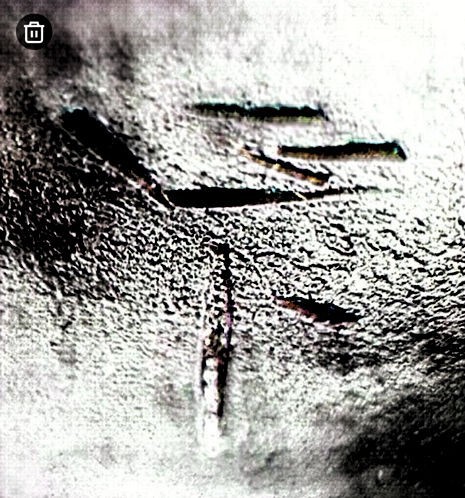
I clipped the image and corrected the distortion. It might be 正卜 - Masaura.
-
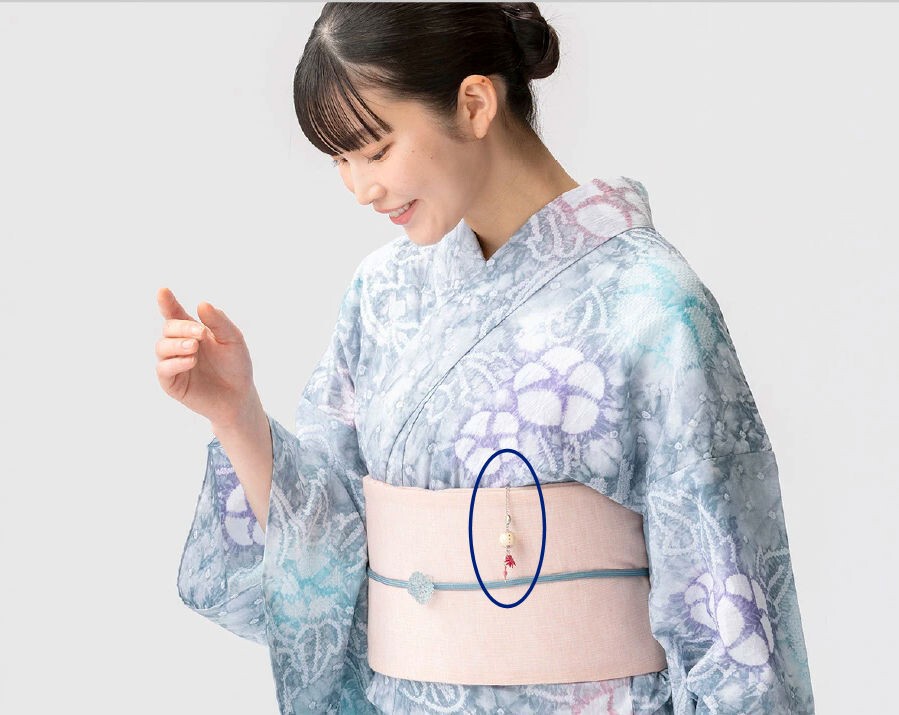
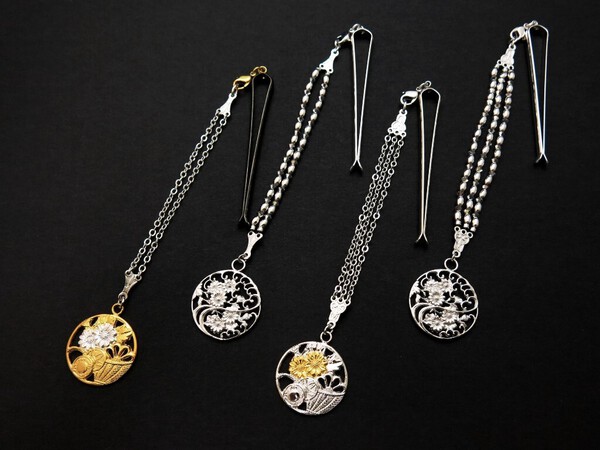
They might be Obikazari (帯飾り) - Sash ornament. Ref. 銀製ぶら(帯飾り)|珍しい和装の装身具(アクセサリー)|オリジナル帯飾りクリップ(プレート)付き | べっ甲かんざし・髪飾り・和装小物専門店 銀座かなめ屋

-
和泉守辻助九郎兼重 – Izumi no kami Tsuji Sukekuro Kaneshige
-
京城府中區本町 – Keijo-fu Chuku Honmachi 四丁目一六番地 – 4-chome, 16-banchi 堀内吾郎 所有 – Horiuchi Goro, shoyu Ref. Keijō - Wikipedia